



Florida’s cannabis landscape can feel like a shoreline of shifting sand: familiar landmarks one day, new rules the next. Among the newest features on that map is THCa – the non-intoxicating acidic precursor to THC that’s drawing attention from consumers,cultivators,and regulators alike. For Florida residents trying to sort products on dispensary shelves from hemp-derived items online, the legal picture is often less a straight road and more a network of signs pointing in different directions.
This guide cuts through the jargon and the headlines to give a clear, practical overview of THCa’s legal status in Florida. You’ll find plain explanations of what THCa is, how it differs from THC, how current state and federal rules bear on possession, sale, and transport, and where enforcement has focused. The aim isn’t to give legal counsel but to equip Florida residents with the facts and resources needed to make informed choices as regulations continue to evolve.
Whether your curious about a product label, wondering what’s allowed in your pocket or vehicle, or tracking how law and science intersect, read on for a calm, concise briefing that turns shifting sand into a navigable path.


Understanding THCa versus THC and why the distinction matters under Florida law
THCa is the raw, non‑intoxicating form of the compound most people associate with cannabis. Chemically it carries an extra carboxyl group that prevents it from binding in the brain the way Δ9‑THC does – until heat or time removes that group in a process called decarboxylation. That means fresh plant material,tinctures made from unheated flower,and some industrial hemp extracts can contain high thca levels without producing a “high” until they’re smoked,vaped,or cooked.
From a legal perspective, regulators rarely look onyl at the molecule sitting in the jar; they look at the cannabis plant’s potential. under the hemp framework that Florida implements,laboratories commonly report a product’s “total Δ9‑THC” by converting THCa into its potential Δ9‑THC equivalent (using the standard conversion factor of 0.877). Practically, that means a product with low measured Δ9‑THC but substantial THCa can still exceed the legal threshold once that conversion is applied – an significant nuance when distinguishing hemp from regulated marijuana.
- Chemistry: THCa = acidic precursor; Δ9‑THC = decarboxylated, psychoactive form.
- Testing: Labs often calculate total THC = Δ9‑THC + (0.877 × THCa).
- Practical risk: Heating or long storage can convert THCa into Δ9‑THC.
For everyday Floridians this distinction shapes product labeling, possession risk, and whether a product falls under hemp rules or controlled substance law. Retailers and patients should watch labels and certificates of analysis (coas) for both reported Δ9‑THC and THCa values. Law enforcement and courts may rely on total‑THC metrics in prosecutions or compliance reviews, and medical patients should maintain clear documentation of qualifying status if using regulated cannabis products.
| Feature | THCa | Δ9‑THC |
|---|---|---|
| Psychoactivity | Non‑psychoactive raw | Psychoactive when present |
| Legal testing | Counts toward total THC | Directly regulated |
| Common source | Raw flower, fresh extracts | Heated/aged cannabis products |

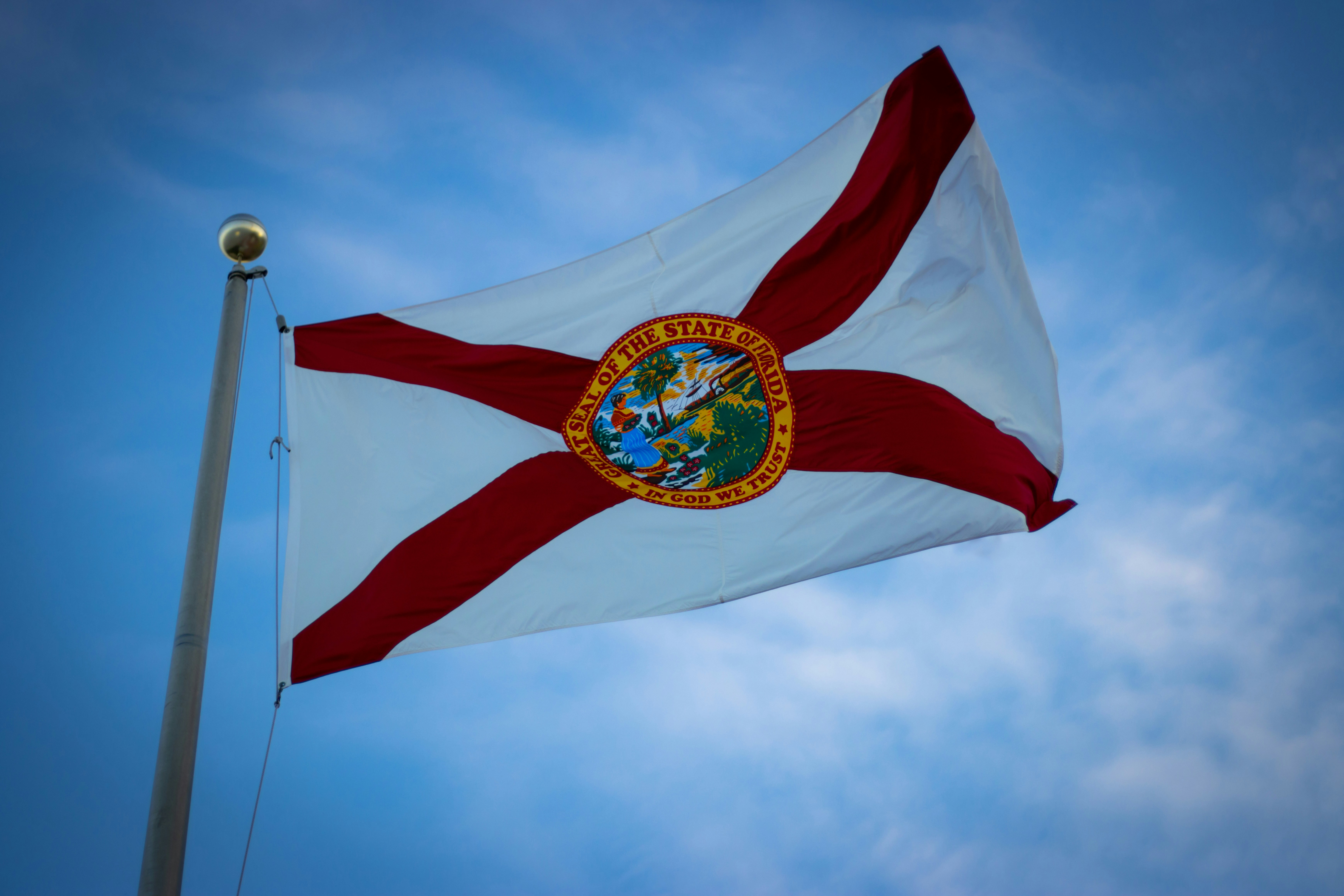
Florida statutes, administrative guidance, and key court decisions that shape THCa legality
Florida’s statutory framework creates the roadmap for THCa’s legal status. The Florida Hemp Program is codified in Chapter 581 of the Florida statutes and establishes licensing, testing, and producer requirements for hemp and hemp-derived products. At the same time, Chapter 893 (the state’s controlled substances statutes) continues to define prohibited substances and supply the criminal-law backdrop against which hemp products are judged. Together these statutes create a tension: hemp-amiable rules for certain cannabinoids, but strict prohibitions where a product crosses into what the law treats as marijuana.
Administrative guidance from state agencies fills many of the practical gaps left by statute. agencies such as the Florida Department of Agriculture and Consumer Services (FDACS), the Department of Health, and state law-enforcement offices publish testing standards, sampling protocols, and labeling rules that effect whether a THCa product is marketable or could be treated as an illegal controlled substance. Much of the debate centers on laboratory methodology-how to measure THC, whether to report “delta‑9 THC on a dry-weight basis” versus “total THC” (a calculation that can include THCa), and which certificates of analysis sellers must carry.
Key court decisions in Florida and federal courts hearing Florida cases have sharpened several legal questions without fully resolving all of them. judges have focused on statutory definitions, the intended scope of the hemp exemption, and the technicalities of lab testing (including the legal significance of THCa’s potential to convert to delta‑9 when heated). These rulings have been influential for regulators and businesses, but outcomes can be narrow and fact-specific-leaving room for further litigation and shifting administrative practice.
- Practical takeaways: Keep product COAs, check whether labs report total‑THC, and note whether a license or registration is required for sale or transport.
- Labeling matters: Clear,compliant labeling and traceable supply chains reduce legal risk.
- Regulatory watch: Expect evolving guidance and occasional court rulings that may change how THCa is treated.
| Authority | primary focus |
|---|---|
| Florida Statutes, Ch.581 | Hemp program, licensing, testing requirements |
| Florida Statutes, Ch. 893 | Controlled substance definitions and prohibitions |
| State agency guidance | Sampling, lab methods, labeling and enforcement priorities |


how testing and decarboxylation affect legal outcomes: what labs and officers look for
Laboratories are often the decisive voice in disputes over cannabis legality because they can distinguish between the acidic precursor and the psychotropic molecule. Modern testing usually relies on HPLC (high-performance liquid chromatography), which measures THCa and Δ9‑THC separately without applying heat that would convert one into the other.Reports will list both values and,crucially,a calculated “total THC” – the number most prosecutors and regulators use when deciding whether a sample legally qualifies as hemp or as marijuana.
Heat,age,and analytical methods change the chemistry: THCa decarboxylates into Δ9‑THC when exposed to heat (smoking,vaping,baking,or even some GC lab methods). that transformation can push a product over the legal THC threshold even if its uncured laboratory sample looked compliant. Because of this, labs and courts pay close attention to how samples were collected, handled and tested – a poorly documented chain of custody or the use of gas chromatography can influence outcomes just as much as the raw numbers.
Enforcement typically hinges on a single calculation: total THC = Δ9‑THC + (0.877 × THCa), and Florida’s threshold is 0.3% total Δ9‑THC on a dry weight basis. Field tests used by officers are presumptive and often cannot separate THCa from Δ9‑THC, so a definitive classification normally requires a certified lab report.the table below illustrates how lab results translate into likely legal classifications.
| Lab Reading (total THC) | Likely Classification |
|---|---|
| < 0.30% | Hemp – compliant |
| = 0.30% | Borderline – may trigger retesting |
| > 0.30% | Non‑compliant – possible felony exposure |
For residents wanting to reduce legal risk, attention to documentation and handling matters.Keep COAs that show HPLC results, store products in cool, dark conditions to limit decarboxylation, and insist on clear chain‑of‑custody and testing method notes from sellers. Useful habits include:
- Requesting HPLC-based COAs that show both THCa and Δ9‑THC.
- keeping purchase records and original packaging with batch numbers.
- Avoiding heat exposure of raw products intended for sale or transport.
- Asking about lab accreditation (ISO/IEC 17025) before relying on a test result.
Compliance checklist for businesses and residents and steps to take if you face enforcement
Start by creating a simple, hard-to-miss checklist that covers what Florida law actually regulates and what local municipalities may add on top. Verify product lab certificates (COAs) for potency and contaminants, ensure labels clearly state cannabinoid content and source, confirm that packaging meets child-resistant requirements, and document point-of-sale age verification. Keep a running log of purchases, invoices, and test results-these become your best defense if questions arise.
For businesses,compliance is operational; for residents,it’s about possession and safe storage.Key items you should never skip include:
- Licenses and authorizations: copies of any state or county permits.
- COAs: accessible PDF copies tied to each product lot.
- Labeling: ingredient list, cannabinoid breakdown, and warnings.
- Security & records: visitor logs, surveillance retention, and transaction histories.
- Training: staff education on possession limits and age restrictions.
If you face enforcement, act deliberately: preserve all documents and samples, do not discard product or records, and politely request written notice of the violation. Contact an attorney experienced with Florida cannabinoid statutes instantly, and consider filing a written compliance plan with the enforcing agency offering corrective measures. In many cases,agencies accept voluntary recalls,remedial labeling,or short-term remedies in lieu of harsher penalties if you demonstrate prompt and honest remediation.
| Situation | Immediate Action | Likely Outcome |
|---|---|---|
| Inspection notice | Prepare COAs & receipts; cooperate | Minor corrections or warning |
| Product seizure | Secure counsel; document chain of custody | Return or destruction after appeal |
| Civil fines | Negotiate mitigation; submit compliance plan | Reduced penalties with proof |
Key Takeaways
As the sun sets on this guide, remember that THCa in Florida sits at the intersection of science, statute, and local practice – a shoreline that looks familiar one day and subtly shifts the next. This article aimed to map the current legal terrain: how federal and state hemp rules, medical-marijuana frameworks, lab testing, and local ordinances shape possession, sale, and use for residents. It’s a snapshot meant to make that terrain easier to read, not an exhaustive legal opinion.
Laws change,interpretations evolve,and enforcement can vary by county and context. For the clearest course forward,use official sources (Florida statutes,state regulatory agencies,local ordinances),review product testing and labeling,and seek professional legal or medical guidance when in doubt. Responsible curiosity and careful attention to updates are your best navigational tools.
Whether you’re a curious resident, a caregiver, or someone working in the hemp or cannabis space, stay informed, choose reputable suppliers, and respect the rules that protect public health and community safety.That way, you can move through Florida’s legal waters with clarity and confidence.