


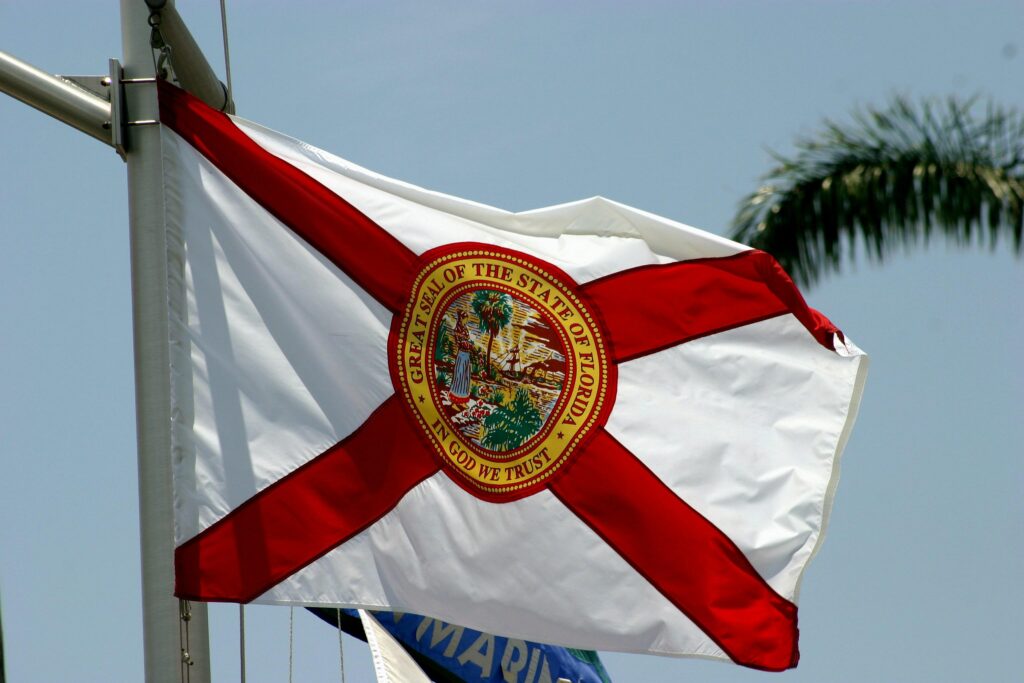
In the space between a laboratory flask and a courtroom docket, THCA occupies a curious middle ground. As the non‑intoxicating precursor too THC, tetrahydrocannabinolic acid raises scientific questions about chemistry and consumption and legal questions about how we classify and regulate cannabis compounds. Laws written to control delta‑9 THC were not always drafted with THCA specifically in mind, and as hemp markets expand and state cannabis programs evolve, courts and regulators are left to interpret sometimes ambiguous language.
This article walks that gray line. Begining with a clear explanation of what THCA is and how it differs from other cannabinoids, it then maps the patchwork of rules that govern its production, sale, and possession-zooming in on Florida’s approach and widening out to federal standards and examples from other jurisdictions. Along the way we’ll highlight the key legal tests, recent enforcement trends, and practical implications for consumers, producers, and policymakers.The goal is not to litigate policy but to illuminate where THCA stands today-and where it might head tomorrow.


What THCA Is and How It Differs from THC
Think of the molecule found abundantly in fresh cannabis flowers as the plant’s unripe promise: it’s chemically the acidic precursor that sits quietly in trichomes until something – heat, light, or time – wakes it. In its natural form it does not produce the characteristic psychoactive “high” associated with cannabis; people consuming raw leaves or juiced flowers ingest this compound without intoxication. Botanically and biochemically distinct, it gives many hemp products their therapeutic curiosity without the immediate impairment that consumers often associate with cannabis.
Activation is a simple but decisive chemical change: when the molecule loses a carboxyl group (a process called decarboxylation), it becomes the well-known psychoactive compound. This transformation happens during smoking, vaping, or baking, and can also occur slowly over prolonged storage or exposure to heat and UV light. As of that conversion, handling, processing, and labeling of products containing the acidic form require careful attention – the product’s journey from plant to plate determines whether it remains inert or becomes intoxicating.
Key practical differences are worth keeping in mind:
- Psychoactivity: raw form – non-intoxicating; after decarboxylation – intoxicating.
- Use cases: often marketed for topical or raw consumption (wellness, anti-inflammatory interest) vs. heated preparations for recreational or medicinal dosing.
- Testing & law: standard drug screens detect THC metabolites produced after conversion and ingestion, which can complicate the legal picture for consumers and retailers.
| Raw (acidic) | After Heat/Aging |
|---|---|
| Non-intoxicating in plant form | Psychoactive once converted |
| Common in fresh hemp/cannabis | Present in smoked/vaped products |
| Often sold for raw or topical use | Regulated like THC in many jurisdictions |
Understanding this biochemical split is essential: whether a product remains the inert plant acid or becomes the intoxicating compound determines both user experience and how it’s treated under the law.


Enforcement and Case Law in Florida: What Recent Rulings Reveal
Florida’s courts and enforcement agencies have been quietly shaping the legal landscape around THCA through a mix of administrative actions and judicial decisions. Rather than a single landmark case defining the whole field, recent developments reveal a mosaic of rulings that probe how statutory hemp limits, product testing methodologies, and the conversion of THCA to delta‑9 THC interact under state law. Regulators are increasingly focused on the practical question courts care about: does the product, as sold and consumed, fit within the statutory definition of lawful hemp or cross the line into regulated marijuana?
Several recurring enforcement themes have emerged across decisions and agency actions:
- Testing and chain of custody: Courts expect reliable, standardized lab results and clear documentation showing how measurements were taken.
- Intent and business practices: Regulators scrutinize labeling, marketing, and whether manufacturers took steps to prevent unlawful conversion during use.
- Procedural rigor: Administrative complaints and criminal charges often hinge on whether proper notice and due process were observed.
These patterns show authorities are balancing consumer safety concerns with statutory limits, and judges are attentive to evidence quality over headline claims.
When judges issue rulings, they tend to focus on technical gaps-ambiguous statutory definitions, unreliable testing protocols, or failures in evidentiary chains-rather than broad policy pronouncements. That means outcomes can vary: some decisions reinforce regulators’ authority to remove noncompliant goods from the market, while other rulings require agencies to meet higher proof standards before imposing penalties. The net effect is a climate where procedure and science matter as much as the underlying policy questions about hemp versus marijuana.
For industry stakeholders and consumers, the practical takeaway is clear: compliance is both legal and reputational currency. Below is a speedy snapshot of how recent judicial trends translate into action on the ground.
| Ruling Theme | Practical implication |
|---|---|
| Strict testing standards | Use accredited labs and preserve chains of custody |
| Labeling scrutiny | Avoid ambiguous claims; document marketing choices |
| Procedural defenses | Ensure administrative notices and hearings are handled precisely |


Public Health, Safety Risks, and Potential Penalties for Noncompliance
Products containing THCA present a peculiar public‑health profile: while THCA itself is non‑intoxicating, it readily converts to Δ9‑THC when heated, meaning vape pens, dabbing, and baking can produce psychoactive effects unexpectedly. This chemical transformation, paired with inconsistent labeling and potency claims on some products, raises real risks of overconsumption, accidental intoxication, and adverse reactions-especially among older adults, people on medication, and inexperienced users. Contaminants (pesticides, solvents, heavy metals, microbial growth) found in poorly regulated production lines add a second layer of danger.
Mitigating those hazards hinges on robust testing and clear supply chains.Retailers and manufacturers who ignore quality control not only endanger consumers but also undermine the market’s credibility. best practices that reduce risk include:
- Third‑party laboratory testing for potency and contaminants
- Clear, accurate labeling with batch numbers and dosing guidance
- secure packaging to prevent access by children or pets
- Good manufacturing practices and traceability from seed to sale
Noncompliance can trigger a spectrum of consequences. Regulators may impose administrative sanctions such as fines, mandatory recalls, and licence suspensions. Law enforcement involvement can escalate outcomes: products that exceed legal THC thresholds or are sold to minors may prompt criminal charges, seizure of inventory, and long‑term legal exposure. Civil liability is also a threat-consumers harmed by mislabeled or contaminated products can pursue lawsuits for damages, and businesses may face reputational harm that outlasts any single penalty.
| Common Violation | Likely Consequence |
|---|---|
| Mislabeling potency or ingredients | Fines, recalls, civil claims |
| Exceeding statutory THC limits | Product seizure, criminal prosecution |
| Sale to minors | Criminal charges, license revocation |
| Failure to test or report results | Administrative penalties, market exclusion |
To Wrap It up
As the dust settles on the headlines and the court opinions, THCA’s legal status reads less like a single statute than like a shifting mosaic – clear in some tiles, opaque in others. In Florida, as in many states, the rules are shaped by a mix of state law, federal regulation, and recent judicial decisions, while other jurisdictions march to their own legislative drums. That patchwork means what’s lawful in one place can be risky in the next, and today’s accepted practise can become tomorrow’s contested issue.
If you’re navigating this terrain-whether as a consumer, producer, or policymaker-stay attentive to local statutes, new rulings, and regulatory guidance. This article aimed to map where THCA stands now,not to predict every road ahead. For decisions with legal or financial consequences, seek up-to-date counsel and reliable sources. The legal landscape will continue to evolve; staying informed is the surest compass.