



Think of THCA as teh quiet sibling of THC: it’s the compound that lives in fresh cannabis,scientifically busy but not intoxicating,waiting for heat or time to nudge it into something different. For many people the word “THCA” lands in a blur between botanical jargon and medical headlines – part chemistry, part curiosity. This article peels back that blur and puts the practical parts front and center.
You’ll get a plain explanation of what THCA is and how it differs from THC, without the hyperbole. Then we’ll move into straightforward, usable options for incorporating THCA into everyday routines – from fresh-plant uses to extracts and when, why, and how heating changes things. The focus is on simple techniques, sensible safety notes, and realistic expectations rather than trend-driven promises.Whether you’re exploring raw cannabis juices,curious about tinctures and topicals,or want to understand what happens when THCA becomes THC,this guide aims to make the choices clear and manageable. No jargon-heavy lectures, just plain, practical ways to understand and use THCA responsibly.

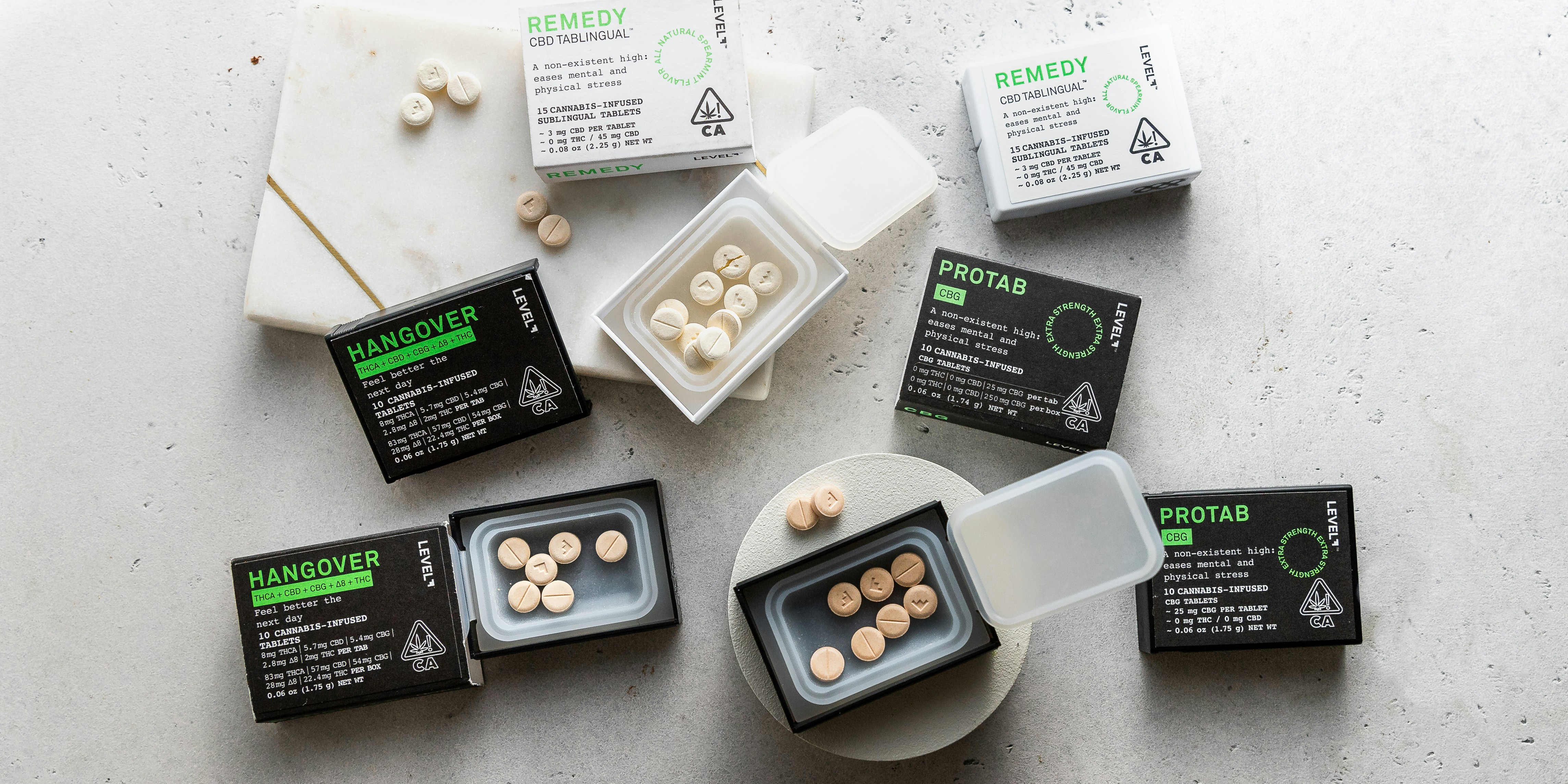
Understanding THCA and How it Differs from THC
Think of the raw cannabis plant as a pantry full of ingredients and THCA as a fresh, uncooked element: chemically similar to its more famous relative but not the same when it comes to effects. In its natural form, THCA is non-intoxicating-it won’t produce the classic “high” that consumers associate with THC.That distinction comes down to a small chemical change: when heat or time is introduced, THCA converts into THC through a process called decarboxylation, unlocking psychoactive properties.
The difference isn’t just about feeling different; it shapes how people use the plant. Raw tinctures, juiced leaves, or cold-extracted products often preserve THCA for those seeking potential therapeutic benefits without altered cognition. Conversely, smoked, vaped, or baked products intentionally activate THC to achieve psychoactive effects. In short, one is the dormant form and the other is the activated form-each useful depending on the goal.
- Presence: THCA in raw plant; THC after heating or aging.
- Psychoactivity: THCA = non-intoxicating; THC = intoxicating.
- Common uses: THCA for raw/therapeutic preparations; THC for recreational or targeted symptom relief.
| Feature | THCA | THC |
|---|---|---|
| Psychoactive? | No | Yes |
| How it’s created | Found naturally in plant | Formed by decarboxylation |
| Typical use | Raw extracts, non-intoxicating products | Edibles, smoking, vaping |


choosing the Right THCA Form: Raw Flower, Tinctures, Oils and concentrates
Think of selecting THCA like picking tools from a creative kit – each piece has its own feel, rhythm and best use.Some people prefer the ritual and texture of handling plant material, others want discreet, measured drops, and a few chase the instant, high-strength experience of concentrates. Match the form to your daily tempo: quick and precise, slow and steady, or ceremonial and sensory.
Different formats bring different advantages and trade-offs. Below are practical points to weigh before deciding:
- Onset & duration: Fast-acting options give quicker feedback; edibles and oils tend to last longer.
- Dosing control: Tinctures and oils offer precise milligram measurements; raw flower and concentrates can be trickier to dose consistently.
- Portability & discretion: Oils and tinctures travel well; raw flower and dabbing setups are less convenient.
- Flavour & ritual: If taste and the act of consumption matter to you, raw flower or full-spectrum oils feel more authentic.
| Form | Best for | Onset | Dosing |
|---|---|---|---|
| Raw flower | Ritual, juicing or herbal use | Variable | Low control |
| Tincture | Fast, precise sublingual dosing | 15-45 min | High control |
| Oil | Cooking, capsules, steady dosing | 30-90 min | Moderate-high |
| Concentrate | High potency, rapid effects | Seconds-minutes | Low-moderate |
Tip: Start small, consider how quickly you want effects, and pick the form that aligns with your routine rather than impulse.

Practical Ways to Use THCA: Juicing, Topicals, microdosing and Edibles
Fresh, unheated leaves and buds can be incorporated into your routine in surprisingly simple ways. Blending a handful of raw cannabis leaves with apple, cucumber, or leafy greens makes a radiant, herbaceous juice that highlights THCA in its natural, non-intoxicating form. The flavor is grassy and green-think of it as a botanical boost rather than a recreational drink-and it pairs well with citrus or ginger to balance the earthiness.
For targeted relief, topical creams and balms infused with THCA-rich extracts let you work locally without systemic effects. Applied directly to sore spots, these products emphasize skin contact and massage rather than ingestion.As THCA is present without the heating step that converts it to THC, these formulations remain largely non-psychoactive while providing a soothing ritual: apply, rub in, and allow absorption during moments of rest.
When you want subtle, day-to-day support, microdosing with THCA preparations can be a gentle approach. choose low-strength tinctures or small raw bites and observe how your body responds over several hours; the aim is reliability rather than a strong sensation. Keep in mind that heat changes THCA into THC,so edible forms that involve cooking or baking may produce different effects than raw preparations-plan accordingly if you want to avoid intoxication.
Quick practical tips:
- Juicing: Pair with sweet fruits to tame bitterness.
- Topicals: Use after a warm shower for better skin absorption.
- Microdosing: track responses in a simple journal.
- Edibles: opt for raw-infused recipes if you prefer non-psychoactive outcomes.
| Method | Typical Onset | Intoxication Risk |
|---|---|---|
| Juicing (raw) | Fast (minutes) | Low |
| Topicals | Variable (minutes to hours) | Minimal |
| Microdosing (tincture) | Moderate (30-90 min) | Low to moderate* |
| Edibles (heated) | Slow (1-3 hours) | higher (if decarboxylated) |
*Risk varies with planning-heat and processing change THCA into THC.
Integrating THCA into Daily Routines with Recipes, Timing and precautions
Think of THCA as an ingredient you fold into life, not a one-time event. Try cold preparations to preserve the raw cannabinoid: a morning green smoothie with a teaspoon of finely ground raw flower, a chilled olive-oil infusion drizzled over salads, or a simple no-heat tincture made by steeping decarboxylation‑free trim in cold MCT oil for several weeks. Simple recipe idea:
- Raw green Smoothie: 1 cup spinach, 1 banana, 1/2 cup mango, 1 tsp finely ground raw cannabis, 1 cup almond milk – blend and enjoy immediately.
- Cold Olive Drizzle: 2 tbsp cold-pressed olive oil + 1 tsp crushed raw leaf, let sit 24-48 hours and strain; use on salads or toast.
timing can be subtle: THCA’s effects are often gentle and cumulative, so build it into routines where slow, steady support fits-like morning smoothies, midday tincture under the tongue, or an evening salad. The table below sketches quick timing ideas and what to expect; treat it as a creative roadmap, not a rulebook.
| When | Quick Use | Why |
|---|---|---|
| Morning | Raw smoothie or capsule | Consistent daily support; pairs with breakfast fats |
| Midday | Under‑tongue tincture | Fast, flexible dosing during active day |
| Evening | Salad oil drizzle | Calm ritual; avoids heating the compound |
Precautions matter: never heat raw THCA unless you intend to convert it to THC, as cooking transforms its character and effects. Start low and slow-keep a simple log of dose and timing. Be mindful of interactions with medications and avoid use if pregnant or breastfeeding.Store preparations clearly labeled, keep away from children and pets, and do not drive until you understand how you personally respond. When in doubt,consult a healthcare professional and follow local laws.
In Conclusion
Now that you’ve toured the basics of THCA and come away with plain, practical options for using it, the path forward is intentionally simple: choose one method that fits your life, respect dose and quality, and observe what changes. Think of THCA as a tool in a small kit-useful when matched to the task, but best handled deliberately.
A few quick reminders before you experiment further: start low and go slow, keep a record of doses and effects, check the source and lab testing of any product, and confirm local laws and workplace rules. If you’re considering THCA for health-related reasons, consult a healthcare professional to help align choices with your needs.
Explore, learn, and adjust. With a practical approach and a mindful eye on safety, THCA can be another option you understand and control-no mystery, just measured steps.