


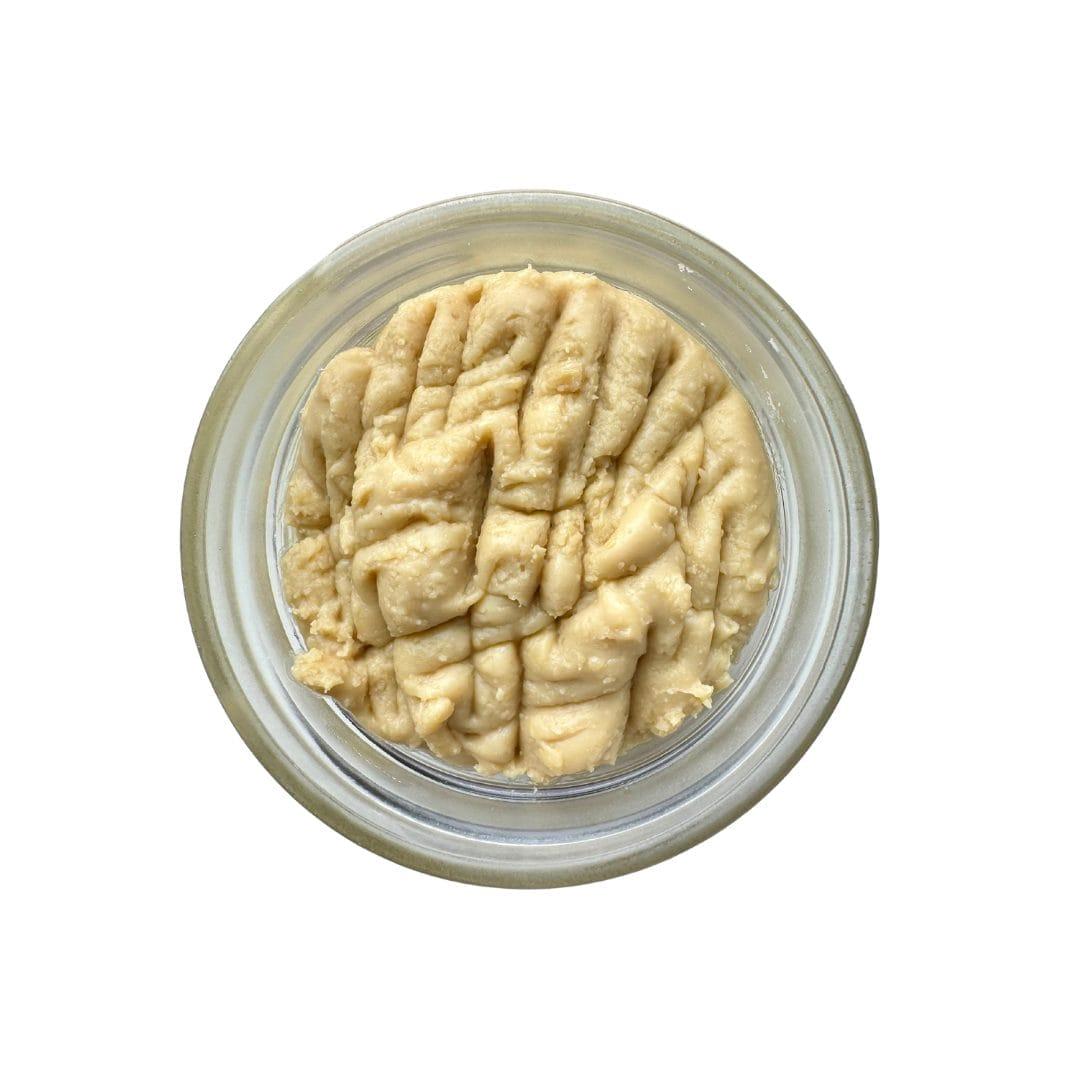
In the shifting mosaic of the modern cannabinoid market, THCa has emerged as a distinct tile - raw, potent and increasingly traded across a widening array of product formats. This quarterly snapshot takes a measured look at how different THCa products are performing: which formats are accelerating, which are plateauing, and how consumer preferences are reshaping the supply chain from cultivation to retail.
Across the pages that follow, you’ll find a product-by-product breakdown - flower and pre-rolls, concentrates and crystals, vape cartridges, edibles and oral formulations, and ancillary categories such as topicals and isolates – paired with key metrics like sales growth, market share shifts, and pricing trends. Rather than lofty forecasts, the focus here is empirical: reporting what recent quarters reveal about adoption patterns, regulatory impacts, and the commercial dynamics that are likely to influence the next quarter’s leaderboard. Whether you’re a supplier, retailer, investor or industry observer, this concise report is designed to orient you to the current shape of THCa market growth and the signals worth watching next.
Quarterly Sales Patterns Across THCa Product categories and Channel Dynamics
Across the year, THCa product movement unfolds like a shifting mosaic: some SKUs surge in a single quarter while others climb steadily. Flower and vape cartridges tend to show sharp, event-driven spikes, while tinctures and edibles build momentum more gradually. Retailers that map these rhythms can optimize shelf space and promotional calendars to match consumer intent rather than relying on flat replenishment cycles.
Channel behavior is equally dynamic – brick-and-mortar dispensaries still anchor finding,but digital storefronts and subscription models increasingly convert curiosity into repeat purchases. Key drivers behind channel shifts include:
- Promotional cadence – time-limited offers drive foot traffic to stores and cart conversion online.
- Availability – out-of-stock items nudges buyers toward alternative channels or brands.
- Customer education – sampling programs and detailed online content influence high-margin categories.
| Category | Q1 % | Q2 % | Q3 % | Q4 % |
|---|---|---|---|---|
| Flower | 28% | 24% | 30% | 26% |
| Vapes | 20% | 22% | 18% | 24% |
| Tinctures | 12% | 15% | 14% | 18% |
| Edibles | 10% | 12% | 16% | 14% |
For brands and retailers aiming to capitalize on these flows, practical moves include dynamic inventory forecasting, targeted cross-channel promotions, and agile price-testing. Emphasize data-driven sequencing – align launches with the channel most likely to accelerate trial, than cascade to broader distribution. Small shifts in timing or placement often yield outsized gains when quarterly patterns are anticipated rather than reacted to.
To Conclude
As the quarter closes, the THCa market reveals itself as a shifting mosaic – product lines rising and receding in response to price, policy, and evolving consumer taste. Whether concentrates sprint ahead, vapes steady the pace, or newer delivery forms nibble at market share, the data paints a picture of measured growth rather than runaway change. Supply-chain dynamics and regulatory currents continue to steer that trajectory, reminding stakeholders that short-term gains can hinge on long-term frameworks. For manufacturers and retailers, the lesson is to stay adaptable; for analysts and investors, to read patterns across product segments rather than rely on a single datapoint. We’ll keep tracking sales, launches, and legislative developments so the next snapshot can show not just where THCa has been, but where it’s likely headed. Until then,treat this quarter’s findings as a compass-informative but not definitive-and check back when the market writes its next chapter.
