


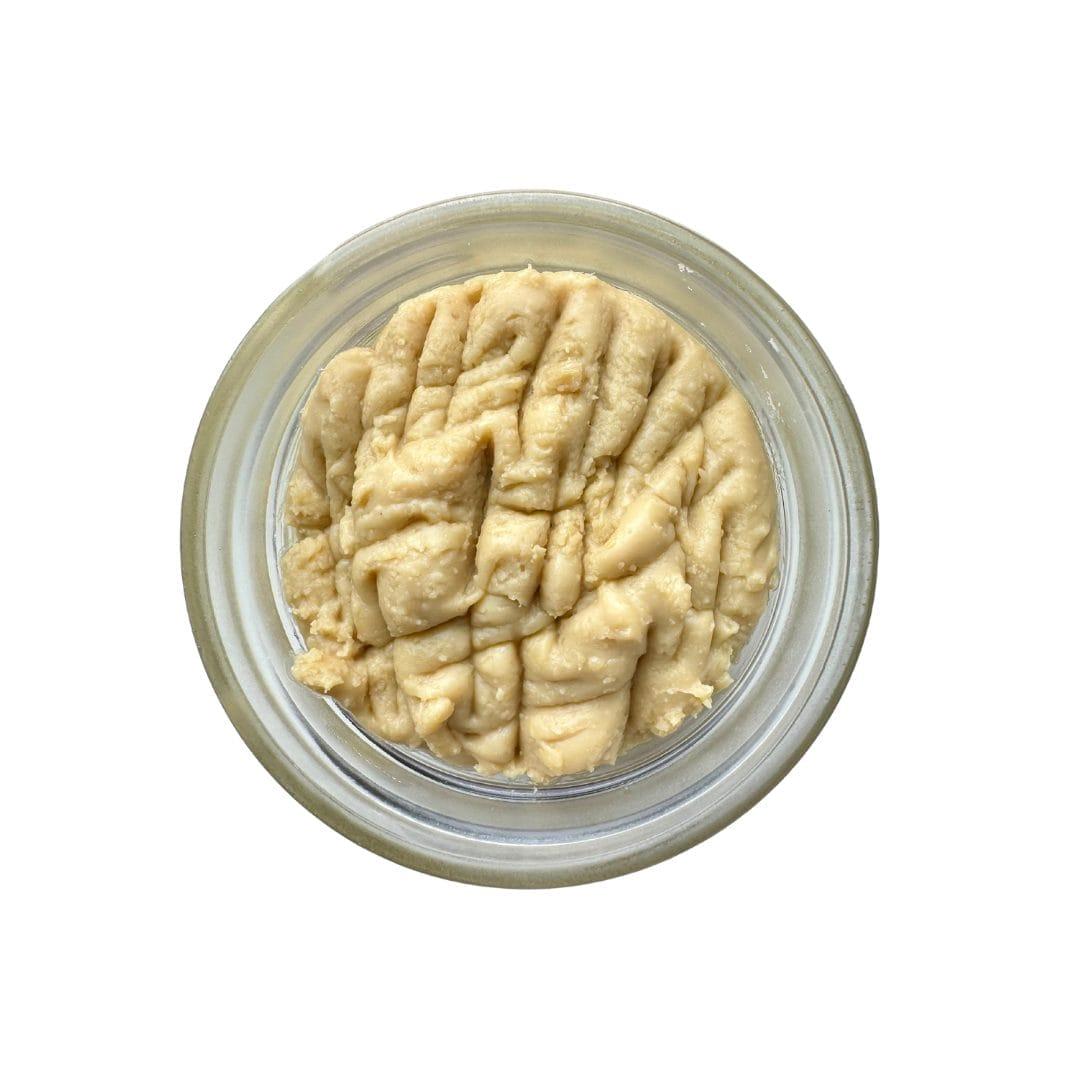
A subtle chemical whisper is reshaping corners of the cannabis shelf: THCA, the raw, acidic precursor to THC, is moving from scientific footnote to commercial headline. Like an undercurrent beneath the louder tides of THC and CBD, THCA has started attracting consumers, entrepreneurs and regulators alike - not because it promises a single revolution, but because it fits into several converging trends: demand for novel experiences, interest in raw and minimally processed products, and a marketplace eager for new differentiation.
This article takes the temperature of that shift. Drawing on recent sales data, consumer surveys and regulatory developments, we map who is buying THCA products, why they’re buying them, and which formats and channels are gaining traction. we’ll examine regional variations, pricing and marketing strategies, and the compliance challenges that will influence how fast - and how sustainably – the THCA market can grow. The goal is a clear, neutral snapshot: what’s happening now, what seems to be driving change, and what to watch next as THCA steps out of the lab and into everyday commerce.
From Curiosity to Loyalty: Tailoring Messaging for Emerging THCA Consumer Segments and Recommended Targeting tactics
Move beyond one-size-fits-all copy by mapping distinct creative frames to rising THCA personas: the scientifically curious who want lab-backed assurances, the wellness trialists seeking functional benefits, and the habitual enthusiasts who care about ritual and variety. Tailor tone, imagery and proof points accordingly – crisp educational visuals and FAQ-driven landing pages for curious buyers, pragmatic benefit-focused messaging for wellness audiences, and limited-release stories plus bundle offers for enthusiasts. Small shifts in angle (from “what it is” to “how you’ll use it”) shorten the path from frist click to repeat purchase.
Use a mix of tactical experiments to coax exploration into regular use. Key low-friction activations to run early and frequently enough:
- Education-first microcontent - 30-60 second clips that answer one question only.
- Sensorial storytelling – product ritual videos showing real-life use cases.
- Trial incentives – sample-sized SKUs or trial bundles with follow-up nurture emails.
- Transparent trust signals - easy-to-find lab results and clear dosing guidance.
- Community hooks – exclusive groups, product drops and user-generated showcases.
These tactics accelerate trust and reduce perceived risk, especially for accountability-minded buyers.
Channel mix should reflect stage of the funnel: social and search for early curiosity, email/SMS for trial reminders and education, and owned content plus loyalty messaging to lock in repeat behavior. Personalization at scale – simple segmentation by first purchase type, repeat cadence, and average order value - allows you to swap creative modularly and measure what nudges customers forward. Keep creative modular (short hero, proof block, CTA) so you can A/B headlines, imagery and incentives without a full redesign.
Measure the move from curiosity to loyalty with event-driven KPIs: sample-to-convert rate,30-day repurchase,and incremental LTV uplift from loyalty members. Pair those with qualitative signals – product reviews and community sentiment – to refine messaging. Above all, prioritize clear, non-hyperbolic language and regulatory compliance; consistency and transparency are the foundations that turn a curious click into long-term loyalty.
| Segment | Messaging Hook | Early KPI |
|---|---|---|
| Curious Explorers | Speedy science + lab proof | Content CTR, sample requests |
| Wellness Trialists | Benefit-first routines | trial conversion rate |
| Enthusiasts | Community drops & exclusives | Repeat purchase rate |
Preference Shift to Full Spectrum and Low THC Formulations and Product Development Steps to Capture Demand
Buyers are increasingly gravitating toward whole-plant profiles that deliver a nuanced, balanced experience rather than a single cannabinoid high.This reflects a broader preference for the entourage affect and products that provide therapeutic benefits with low psychoactivity, making them suitable for daytime use, workplace safety, and consumers who prioritize functionality over an intense “high.” Clear labeling and lab results now act as trust currency-products that communicate precise THCA/THC ratios and terpene signatures win shelf space and loyalty.
To capture this demand, brands must move beyond simple reformulation and adopt a structured development approach.Key steps include:
- Market mapping – identify target demographics, use-cases, and retail channels.
- Raw-material sourcing – secure hemp varietals high in desirable cannabinoids and terpene profiles.
- Extraction & formulation – choose methods that preserve THCA and volatile terpenes.
- Analytical testing & stability – ensure consistent dosing and shelf-life.
- Regulatory & labeling – align with regional THC limits and transparent claims.
Practical formulation choices determine whether a product resonates: carrier selection (MCT, hemp seed, glycerin) affects bioavailability; terpene blends tune the effect; micro-dosing formats (sprays, softgels, low-dose gummies) broaden consumer appeal. Brands should prioritize third-party COAs and batch tracking to make repeatable claims about THCA content and residual THC after decarboxylation risks are assessed.
| Development Step | typical Timeline | Priority |
|---|---|---|
| Formulation & Pilot Batches | 4-8 weeks | High |
| Analytical Testing | 2-4 weeks | High |
| Regulatory Review & Labeling | 2-6 weeks | Medium |
| Education & Launch Materials | 1-3 weeks | High |
beyond product engineering, winning in this segment demands storytelling grounded in science: publish accessible lab summaries, offer clear dosing guides, and build clinician or retailer partnerships to translate whole-plant benefits into everyday rituals. When product integrity,regulatory clarity,and consumer education align,brands can turn the movement toward full-plant,low-THC offerings into sustainable market share.
The Conclusion
As THCA moves from niche curiosity toward a more visible corner of the cannabinoid marketplace, the picture that emerges is one of cautious acceleration: consumers experimenting, companies innovating, and regulators catching up. The data points-shifting purchase patterns, new product formats, and regional regulatory differences-are less a single narrative than a constellation that industry observers must read together to understand where demand is heading.
Looking ahead, the THCA story will be written in incremental pivots rather than sudden turns. For investors, retailers, and policymakers alike, that means staying attentive to evolving consumer preferences, compliance developments, and rigorous market measurement. if the last year taught us anything, it is that steady observation and adaptive strategy will be the best tools for navigating whatever the next chapter brings.
