


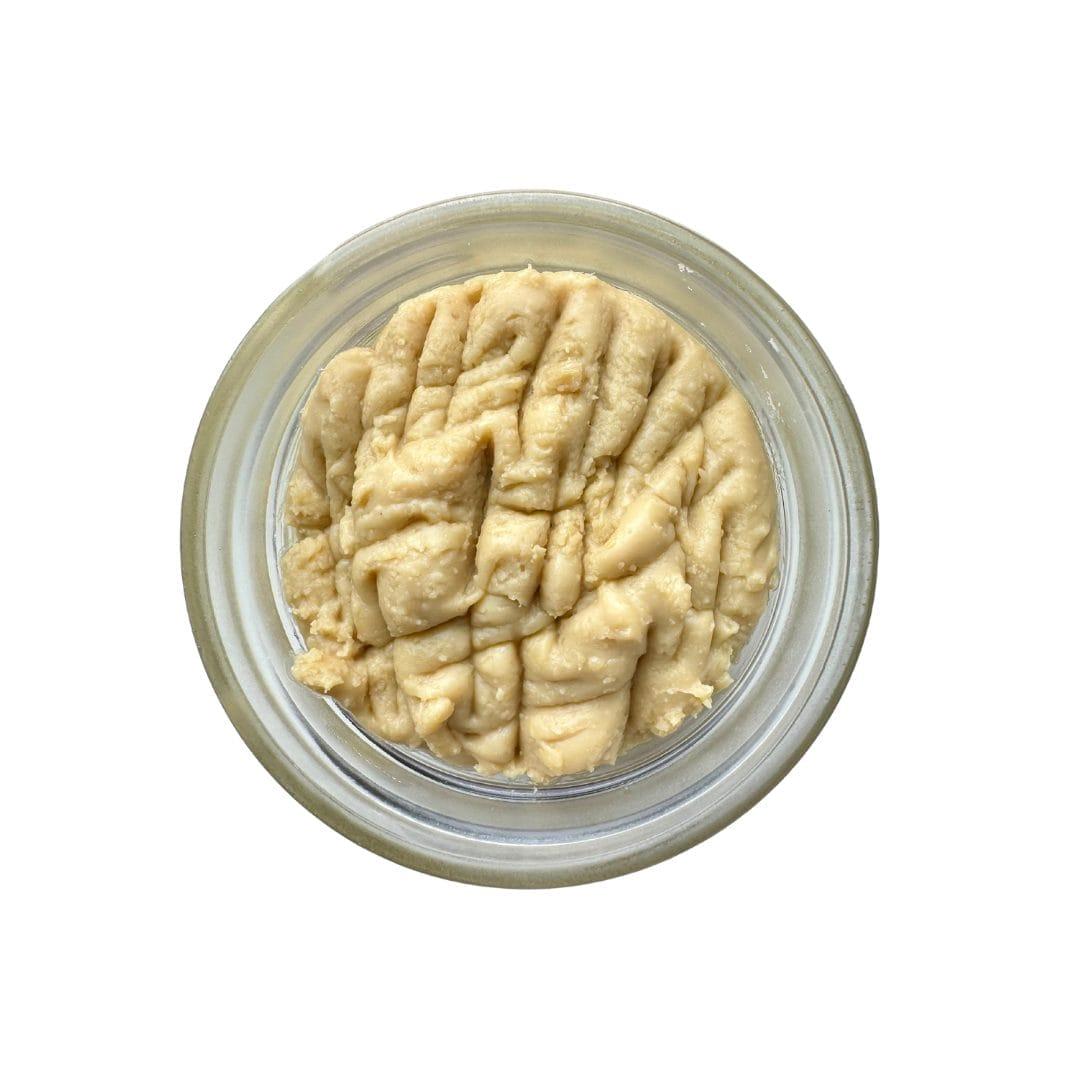
Like the surface of a lake that suddenly ripples with a breeze, the THCA market is showing new patterns-expanding in some corners even as prices quietly retreat in others. Once a niche curiosity among cannabinoid enthusiasts,THCA has moved into broader distribution channels,drawing a mix of established cannabis companies,startups chasing formulation advantages,and consumers curious about alternatives. that shift is reshaping supply, competition, and ultimately the price tags consumers see on shelves.
This article traces that movement: where growth is strongest, which product categories are driving volume, and how price dynamics differ by product type and by brand. Using recent sales data, price indexes, and brand-level comparisons, we map the forces behind the market’s twin narratives of expansion and compression. You’ll find analysis of flower,concentrates,gummies,and other formats,plus perspectives on why some brands sustain premiums while others cut prices to capture market share.
Neutral and data-focused, this piece aims to separate market signal from noise-to show not only that the THCA market is changing, but why it’s changing, and what those changes mean for producers, retailers, and consumers navigating a rapidly evolving landscape.
THCA Market Growth Patterns and Regulatory Drivers Shaping Supply Demand and Investment
Long-term growth in the THCA space has the feel of a garden slowly filling an empty lot: pockets of rapid expansion around permissive policies, and stubborn stasis where regulation remains vague. Investors and producers are tracking two linked rhythms – product innovation on one side (new concentrates, live resins, isolate-based infused goods) and regulatory cadence on the other. Where states clarify testing, labeling and distribution rules, supply chains scale quickly and retail assortment widens; where rules tighten, product exit and brand consolidation follow, and margins compress.
Several regulatory levers are currently steering supply, demand and capital flows:
- Licensing & market access: limited permits favor incumbents and raise barriers for newcomers.
- Testing & labeling standards: stricter protocols increase compliance costs but boost consumer confidence, shifting demand toward tested brands.
- Taxation & banking: high excise rates and limited banking options influence pricing strategies and slow down vertical integration.
- Interstate movement rules: anything easing transport multiplies wholesale supply and amplifies price competition.
These dynamics produce predictable investment patterns: early-stage capital chases product differentiation and brand loyalty in permissive jurisdictions, while private-equity seeks scale plays where regulatory frameworks reduce execution risk. At the same time, cyclical oversupply in commodity-style products (e.g., raw flower or unbranded distillate) frequently enough leads to visible price drops, prompting companies to pivot toward premium, compliant or value-added SKUs to protect margins.
| Regulatory Driver | Typical Market Effect |
|---|---|
| Clear testing & labeling | Higher consumer trust → premium demand |
| Restrictive licensing | Consolidation → higher prices for limited supply |
| Permissive transport rules | Wholesale surplus → price compression |
Price Drops by Product Type Flower Concentrates Edibles and Topicals Where Margins Are Squeezed
Across the THCA landscape, price corrections have begun to reshape the shelf: flower is experiencing the most visible erosion as bulk harvests meet narrower retail windows, pushing spot prices down and forcing farms to compete on volume rather than quality. Concentrates have softened too, though better margin capture for artisan extracts has buffered some producers; a race toward scale and extraction efficiency is reducing per-unit cost across the board. Meanwhile, edibles and topicals are increasingly hard-pressed - higher overheads for formulation, compliance, and longer shelf-life testing compress wholesale margins even as retail price points stagnate.
A snapshot of average price movement highlights where pressure is most acute:
| Product Type | Avg Price (Q1 2024) | Avg Price (Q4 2025) | Estimated Margin Change |
|---|---|---|---|
| Flower (per gram) | $10.50 | $7.80 | -26% |
| Concentrates (per gram) | $35.00 | $29.00 | -17% |
| Edibles (per unit) | $6.00 | $5.10 | -15% |
| Topicals (per unit) | $22.00 | $19.50 | -11% |
Several forces are squeezing profitability concurrently:
- Oversupply – excess cultivation lowers wholesale bids and triggers discounting cycles.
- Compliance costs – labs, labeling, and batch testing disproportionately affect low-margin SKUs like edibles and topicals.
- Retail consolidation – bigger dispensaries demand lower distributor margins and tighter payment terms.
- Price commoditization - standardization of common strains and extracts forces differentiation uphill and costs down.
Brands are responding in predictable and creative ways: trimming SKUs, leaning into premium or niche offerings, investing in vertical integration, or doubling down on brand storytelling to escape pure price competition. The near-term result is a bifurcated market – a crowded, low-margin middle and a thinner band of premium goods where margins still hold.
Consumer Segments Medical Recreational and Value Seekers How Behavior Will Influence Demand
Medical patients tend to be the most predictable buyers – they prioritize consistency, lab-verified potency and discreet delivery formats. Their purchasing is frequently enough driven by therapeutic need rather than trends, so demand skews toward stable SKUs: single-origin tinctures, measured-dose capsules and low-THC/high-THCA preparations. In markets where insurance or patient programs exist, these consumers create a steady baseline that softens seasonal volatility and cushions brands as prices shift.
Recreational users are more experimental and trend-sensitive. New extraction techniques, novel terpene profiles and limited-run strains can spark rapid spikes in demand, but those spikes can evaporate quickly as novelty fades. This group responds strongly to branding and experience-packaging, potency claims and social proof matter-so demand elasticity here is tied to perceived lifestyle value rather than pure utility.
Value seekers amplify price moves: when wholesale THCA prices drop, they switch en masse to larger formats, multi-packs and private-label alternatives. Their behavior forces retailers to offer tiered sizing and promotions. Retail strategies that work across segments include targeted micro-packaging for medical clients, curated novelty bundles for recreational buyers, and bulk/discount packs for value seekers. Typical tactical responses:
- Tiered SKU architecture - small consistent formats + high-margin novelty editions + economy bulk sizes.
- Subscription/auto-replenish - locks in medical demand and smooths cashflow.
- Limited-time drops - convert recreational curiosity into short-term revenue bursts.
- Private-label/value lines – capture price-sensitive shoppers without eroding premium branding.
| Segment | Primary Driver | Preferred Formats | Price Sensitivity |
|---|---|---|---|
| Medical | consistency & safety | Tinctures, capsules, measured vapes | Low |
| recreational | Novelty & experience | High-potency concentrates, edibles, pre-rolls | Medium |
| Value Seekers | Lowest cost per dose | Bulk, multi-packs, private-label | High |
For brands and retailers, the takeaway is clear: segment-informed assortments and dynamic pricing strategies are essential. As THCA product costs fall, expect a rebalancing where value lines grow share, premium SKUs consolidate loyalty among recreational and medical buyers, and promotional cadence becomes the lever that shapes short- vs long-term demand curves.
Key Takeaways
The THCA market, like a young ecosystem, is expanding rapidly while finding a new balance between supply, demand and brand positioning. Growth has opened room for innovation - and for competition – which is already compressing prices unevenly across product types and brand tiers: commoditized formats face sharper declines, while differentiated or quality-focused offerings hold firmer ground. for industry participants, regulators and consumers alike, the story going forward will hinge on traceability, compliance and the ability to communicate real value beyond headline prices. Watching shifts in product mix, regional regulation and retail strategy will be key to understanding where margins stabilize and where consolidation accelerates.Ultimately, the market’s next chapter will be written by those who adapt to changing economics without losing sight of quality and openness.
