


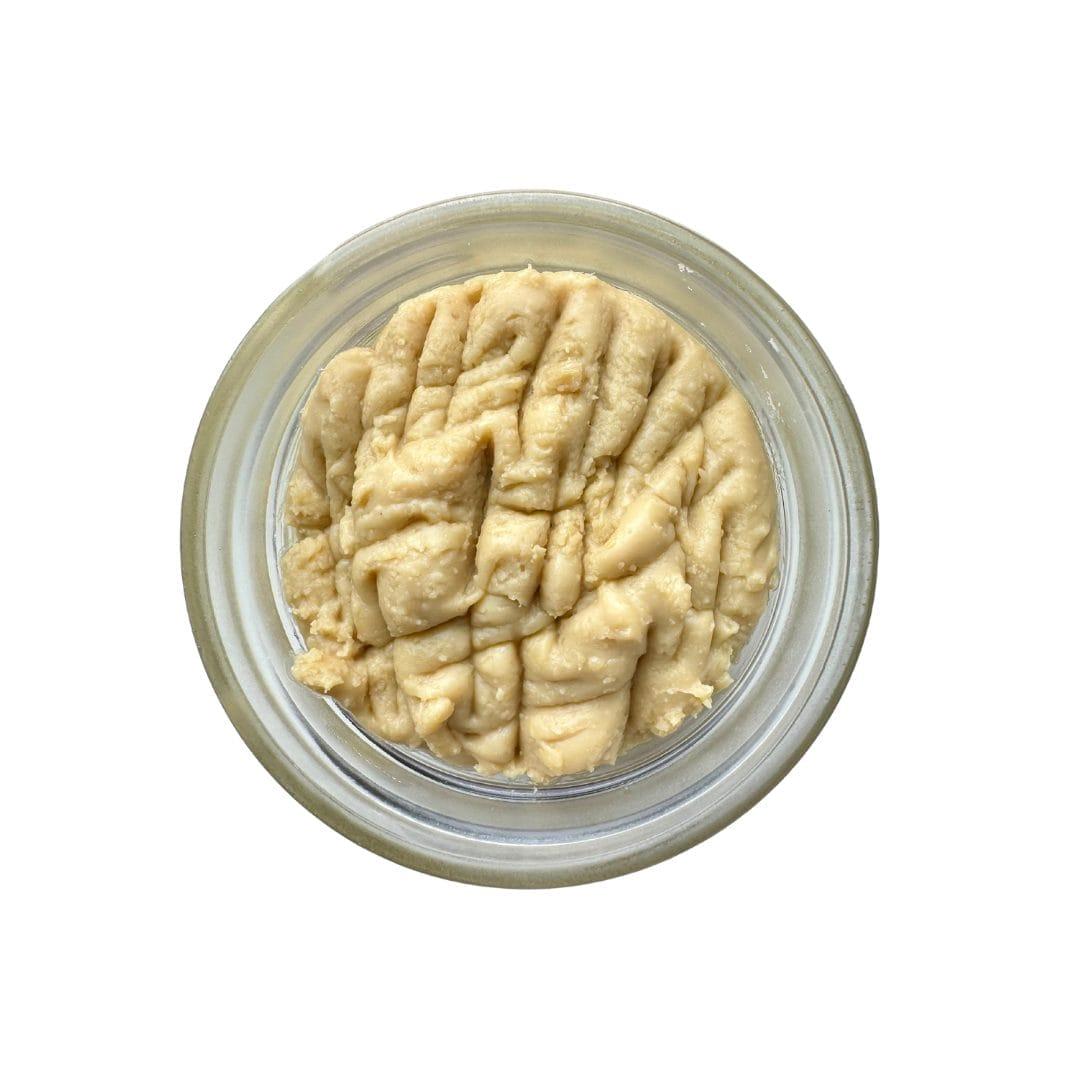
Like any patchwork quilt, the American THCA market is stitched from many different threads: science, law, consumer taste, and commerce. Across states the pattern changes – some regions show rapid commercial uptake and new product lines, others move cautiously behind regulatory guardrails, and headlines regularly reframe how investors, regulators and consumers view this cannabinoid.This article maps that evolving landscape,taking a state-by-state look at market size,recent developments,and the underlying value drivers shaping THCA today.
Before diving into numbers and headlines, a speedy orientation: THCA (tetrahydrocannabinolic acid) is the acidic precursor to THC present in raw cannabis plant material; it converts to psychoactive THC with heat. That chemical fact, plus differing state laws and enforcement priorities, has produced a market that is simultaneously technical, legal, and commercial. In the sections that follow we quantify market scale across jurisdictions, surface noteworthy policy and industry news, and assess where value is being created – and where uncertainty remains - so readers can see not just how big the THCA market is, but why it looks the way it does from state to state.
Demand Drivers,Price Dynamics and Wholesale Value in Local Markets
Local consumption patterns and regulatory texture sculpt how plants are bought and sold block by block. Urban centers with strong extraction industries push volume toward high-THCA biomass, while rural growing belts ofen prioritize bulk, lower-cost lots. key influences include:
- Regulatory scope – adult-use versus medical-only regimes change buyer mix and allowable product forms.
- Processing demand – rosin and concentrate producers pay premiums for clean,high-potency inputs.
- Tourism and local culture – festival seasons and tourism spikes create short, intense price runs.
Prices don’t move in a straight line; they ripple. Seasonal harvests create temporary surges of supply that depress spot rates, while poor weather or pest events can trigger sharp shortfalls and inverse pricing behavior.Quality differentials – moisture content, terpene profile, lab results – produce discrete tiers in the marketplace, so two lots with identical weight can trade for very different sums depending on verifiable attributes.
Wholesale negotiation frequently happens along two tracks: short-term spot trades that react to immediate oversupply or shortage, and longer-term contracts that smooth revenue for growers and cost expectations for processors. Premiums are routinely paid for certified, lab-tested lots with high THCA and clean cannabinoid profiles; conversely, lots requiring remediation or extended curing sell at discounts.
| State | Indicative Annual Supply (lb) | Wholesale Range ($/lb) | Primary Local Drivers |
|---|---|---|---|
| California | ~200,000 | $1,200-$2,200 | Processing demand, high supply diversity |
| Colorado | ~50,000 | $900-$1,600 | Tourism, established wholesale networks |
| Florida | ~30,000 | $1,800-$2,800 | Medical program constraints, tight supply |
| Texas | ~10,000 | $2,200-$3,200 | Fragmented regulation, transport premiums |
Local market value ultimately crystallizes through a mix of transparent bids, private contracts and the informal networks that bridge gaps between legal frameworks. Monitoring lab standards, seasonal planting cycles and nearby state policy shifts is the clearest way to anticipate where premiums and discounts will settle next.
Case Studies of High Growth States and Operational Lessons for New Entrants
Across states with rapid THCA adoption, distinct patterns emerge: mature markets emphasize branding and supply-chain depth, while nascent ones reward agility and regulatory savvy. in California, scale and consumer sophistication have driven premium product lines and heavy investment in analytics; startups that leaned into product differentiation and lab-verified potency captured attention quickly. In contrast, Illinois showed how clear licensing windows and predictable enforcement create possibility for mid-sized operators to expand without constant legal risk.
Florida’s growth has been patient-led and distribution-heavy: dispensary networks and physician education programs amplified demand for high-THCA formulations, turning clinical channels into consumer funnels. Operationally, this favored companies that prioritized pharmacist relationships and local manufacturing to reduce time-to-shelf. Texas, simultaneously occurring, illustrates the hazards of regulatory gray zones – rapid sales can be offset by enforcement shifts, so many high-growth players there succeeded by maintaining conservative labeling, robust testing chains, and contingency capital.
From these contrasts, practical operating principles crystallize. New entrants should blend compliance with nimbleness: build airtight testing and traceability from day one,but structure operations to pivot product formats and go-to-market tactics quickly. Emphasize quality storytelling and education around THCA’s effects to win trust in crowded shelves; conversely, avoid over-leveraging inventory in markets where enforcement or supply shocks are plausible.
- Compliance-first infrastructure: batch-level tracking,third-party lab partnerships.
- Flexible manufacturing: modular lines that can shift from tinctures to vapes to flower rapidly.
- Local go-to-market: prioritize regional distribution and clinician outreach where medical channels matter.
- Capital cushions: plan for regulatory delays and rapid product testing recalls.
| State | growth Signal | Regulatory Clarity | Suggested Entry |
|---|---|---|---|
| California | High consumer spend | Moderate | Brand + scale |
| Illinois | Steady licensed expansion | High | Licensed partnerships |
| Florida | Patient-driven demand | Moderate | Clinic & distro focus |
| Texas | Fast but volatile | Low | Conservative compliance |
In Retrospect
As the THCA market continues to unfurl across the country, what emerges is less a single story than a mosaic: state laws, consumer demand, and commercial opportunity intersect in different patterns from one jurisdiction to the next. Some states show rapid expansion and rising valuations; others remain cautious or constrained by regulation. News cycles add sudden pulses of change, while the underlying value of THCA products - economic, regulatory and cultural – shifts with each new policy decision and market signal.
For stakeholders - from entrepreneurs and investors to regulators and consumers – the sensible stance is one of attentive pacing.Opportunities exist where policy, infrastructure and demand align, but so do risks where uncertainty persists.Decisions should be guided by up-to-date information, careful assessment of local rules, and a realistic appraisal of market dynamics rather than hype.
This article aimed to chart the current contours of that landscape: the state-by-state footprints,the recent headlines that have shaped momentum,and the forces driving value. As laws evolve and markets mature, the map will continue to change. Keep watching, stay informed, and let each new advancement be a data point in the longer story of THCA’s place in the national marketplace.
