


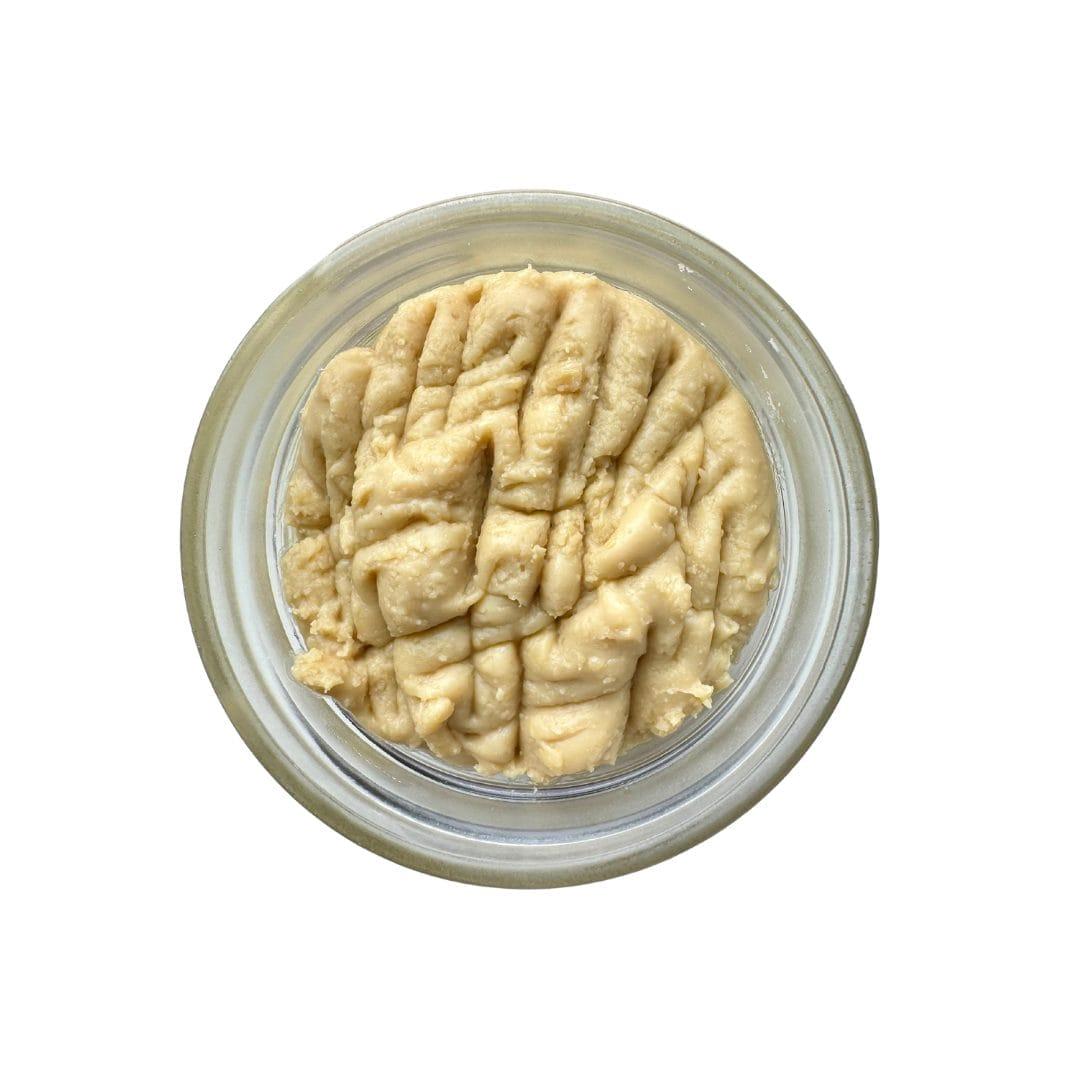
A market that once moved in steady increments has suddenly shown a stumble. In recent weeks the price of THCa-a non-intoxicating precursor to THC that has become a distinct commodity for extractors,manufacturers,and investors-has slipped,prompting questions from growers,processors,and traders about what changed and why.
This article peels back the layers behind that dip. We will map the immediate triggers and the deeper currents-shifts in supply and extraction capacity, regulatory signals, trading behaviors, and evolving demand for raw material versus finished products-that together rewrote short‑term expectations. Rather than assigning blame, the goal here is to disentangle correlation from causation so readers can understand which forces are transient and which may reshape the THCa market going forward.
Expect a data‑driven walkthrough balanced with market color: price charts and contract dynamics alongside interviews and industry anecdotes. By the end, you should have a clearer sense of how the recent drop fits into the longer arc of the THCa market-and what traders and participants might watch next.
Market Overview: Unpacking the immediate Causes Behind the thca Price Drop
What looked like a steady climb in THCa futures turned choppy almost overnight as multiple short-term pressures converged.Traders describe it as a “harvest shock” - a wave of new product entering the market faster than retail channels can absorb it – while a series of regulatory clarifications quietly reduced institutional buying appetite. The result was a swift re-pricing: bids pulled back, ask spreads widened, and professional buyers tightened credit lines, pushing visible wholesale prices lower even as some spot parcels still found buyers at previous levels.
Several immediate factors amplified the slide, each small on its own but powerful in combination:
- excess harvest volume: larger-than-expected yields from recent cycles created an inventory glut.
- Regulatory nudges: clarifications around labeling and interstate movement dampened speculative demand.
- Retail discounting: aggressive promotions compressed margins and signaled weaker end-consumer pull.
- Quality segmentation: lower-grade lots flooded the lower tiers, depressing average market prices.
| Driver | Immediate Impact |
|---|---|
| Harvest timing | Oversupply; downward pressure |
| Regulatory guidance | Buyer hesitancy; liquidity squeeze |
| Retail promos | Margin compression; faster destocking |
| product quality mix | Price bifurcation; weaker averages |
The marketS reset is less a single earthquake than a layering of tremors: spot sellers reacting to fast-moving inventory realities,wholesalers renegotiating contracts,and financial players trimming exposure. Expect near-term volatility to persist until flows normalize and buyers adjust to the new baseline – keep an eye on warehouse receipts, forward bids, and retail sell-thru for the clearest signals of stabilization.
Supply Chain Dynamics and cultivation Trends That Created the Oversupply Pressure
What looked like a healthy maturation of the market-new greenhouses, better lights, and sharper genetics-turned into a synchronized wave of production that the rest of the chain couldn’t absorb. Investors poured capital into cultivation as soon as regulatory clarity appeared, and growers raced to capture market share. The result was a proliferation of high-yield crop cycles and vertically integrated facilities that, together, multiplied output far faster than consumer demand rose. Faster yields and wider footprints amplified what should have been incremental supply growth into a structural glut.
Several technical and behavioral trends combined to escalate pressure on prices:
- Overplanting driven by optimistic forecasts – Too many licenses,too much confidence in short-term uptake.
- Yield and genetics improvements - Higher grams-per-square-foot made each license far more productive than anticipated.
- Processing bottlenecks than surges – Labs and extractors alternately delayed and then rapidly dumped inventory when capacity caught up.
- Commoditization of biomass – Bulk THCa and isolates reduce differentiation and push buyers toward price competition.
These factors didn’t act in isolation; they reinforced one another, turning routine harvest cycles into recurring supply shocks.
On the distribution side,timing mismatches worsened the oversupply. Testing backlogs and compliance hold-ups concentrated deliveries into tight windows, while interstate constraints and export limits kept surplus product in domestic wholesale channels.Simultaneously occurring, processors chasing economies of scale expanded extraction lines, producing concentrated THCa at volumes that outpaced branded and retail demand. The net effect was an elastic wholesale market were small increases in available biomass translated into steep price declines-especially for commodity-grade material-while premium, differentiated offerings retained some resilience.
| Driver | Short-term Effect |
|---|---|
| Overplanting | Immediate biomass glut |
| Yield gains | Lower per-pound floor price |
| Processing capacity mismatch | Volatile inventory dumps |
This constellation of cultivation trends and supply-chain frictions created a persistent oversupply pressure that is now reshaping pricing, product strategy, and investment decisions across the THCa value chain.
Price Scenarios and Risk Management Steps Growers and Processors Should Adopt
The market’s recent shift has carved out three practical trajectories growers and processors need to plan for: a speedy rebound driven by renewed demand, a plateau where prices stabilize at a lower level, or an extended slide if supply outpaces consumption. Each path changes the calculus for inventory, cash flow and contractual commitments. Treat scenarios like weather forecasts-no one prediction is definitive, but layered planning prevents being caught off-guard.
Adopt a toolbox of hedges, agility and cost discipline. Key steps include:
- Hedge selective exposure: Lock small, phased sales into forward contracts rather than trying to hedge the entire crop at once.
- Diversify product mix: Convert portions of biomass into higher-margin or shelf-stable derivatives to buffer raw THCa price swings.
- Manage inventory digitally: Use batch-level tracking to decide what to hold, what to process, and what to discount quickly.
- Align harvest and processing cadence: Stagger harvesting or ramp processing to avoid flooding the market during low-price windows.
- protect cash runway: Prioritize short-term liquidity and negotiate flexible payment terms with buyers and suppliers.
| Scenario | Indicative Price Range | Immediate Tactical Move |
|---|---|---|
| Swift rebound | $200-$350/kg | Hold selective inventory, accelerate finishing of high-margin SKUs |
| Low plateau | $120-$200/kg | Shift to value-added processing, tighten harvest yield targets |
| Extended decline | Below $120/kg | Liquidate non-core inventory, cut variable costs, renegotiate contracts |
Above all, build a short-cycle decision rhythm: weekly pricing reviews, monthly stress tests against cashflow, and quarterly scenario drills with your supply chain partners. When markets pivot, the growers and processors who win will be those who combine disciplined cost controls with creative product and sales strategies-small bets, rapid feedback, and the adaptability to change course without breaking the balance sheet.
The Way Forward
As the dust settles on this latest swing, the THCa market reminds us that volatility is not a bug but a feature - a reflection of shifting supply chains, regulatory crosswinds, and evolving consumer preferences. The recent price drop may read like a correction on the surface, but beneath it lie multiple narratives: inventory adjustments, margin pressures, speculative positioning, and the slow creep of policy signals that together pull prices in different directions.
For traders and producers, the drop is both a stress test and an information event: it exposes weaknesses, highlights efficiencies, and offers opportunities for those who read the data rather than the headlines. For analysts and policy watchers, it underscores the need for better transparency across labelling, testing, and distribution to reduce information asymmetry that can exacerbate swings.
No single metric will tell the whole story – monitor spreads, inventory flows, regulatory updates and retail demand in concert. Expect more oscillation as the market seeks a new balance, but also expect pockets of stability where supply and compliance align.
the THCa market’s turn is a reminder that price movements are signposts, not verdicts. Stay curious, stay cautious, and let the data guide your next move.
