


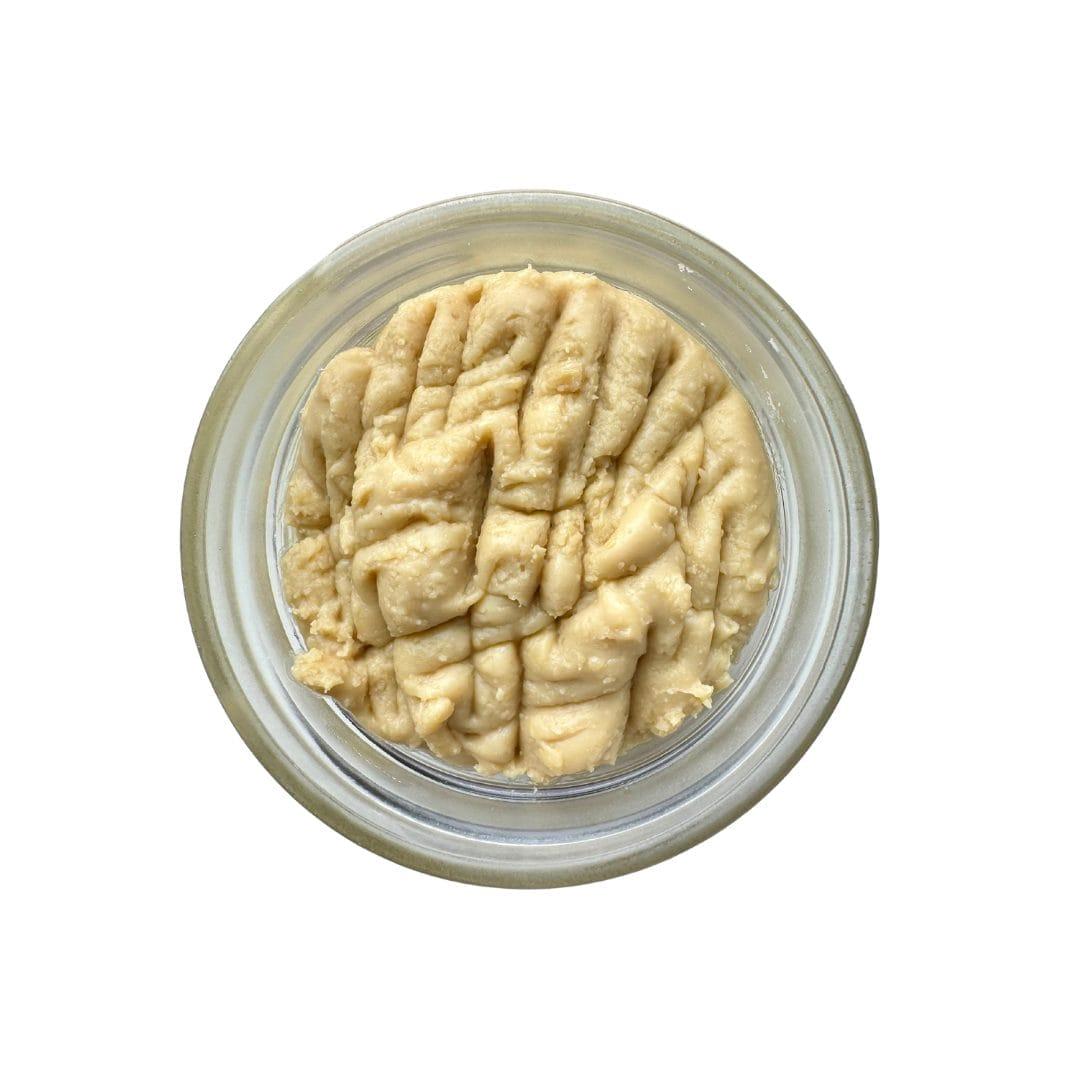
Like weather for a harvest, THCA pricing shifts with the seasons-sometimes gentle and predictable, sometimes stormy and abrupt. Understanding per‑pound trends across product types turns those patterns from noise into a map: cultivators,processors,and buyers can better anticipate when to sell,store,or invest in capacity. This article takes that map as its starting point, tracing how the price of THCA behaves by category-flower, trim, biomass, and concentrates-and what forces shape those trajectories.
We’ll move beyond headline figures to examine the mechanics behind them: cultivation cycles and yield variability, extraction technology and conversion rates, regulatory change and market access, and the ebb and flow of consumer demand. Each product type carries its own cost structure and quality gradient, and per‑pound pricing reflects those differences as clearly as a fingerprint. The forecast presented here synthesizes recent market data,production inputs,and plausible scenario framing to outline likely outcomes-and the key inflection points that could alter them.
This introduction opens a practical guide: you’ll find comparative analyses,short‑ and medium‑term scenarios,and actionable takeaways for stakeholders across the supply chain.while no forecast is a guarantee, mapping these trends helps clarify risks and opportunities in a market that’s equal parts agronomy, chemistry, and policy.
market Snapshot by Product Type and Key Drivers of Per Pound THCA Pricing
Across the market, value per pound clusters by processing stage: raw flower/biomass anchors the low end, crude extracts sit in the middle as the commodity-grade workhorse, and refined products like THCA isolates or specialty concentrates command premium pricing. Seasonal harvests and inventory cycles create cyclical pressure on biomass, while refined material responds more to lab capacity and end-use demand. In short, the per-pound number you see for a given lot reflects both its physical form and the market’s current appetite for refinement and consistency.
| Product Type | Typical $/lb (Range) | 12‑Month Outlook |
|---|---|---|
| Biomass / Flower | $300 – $900 | Stable → slight softening |
| THCA Crude | $1,200 – $2,500 | Moderate stability |
| Concentrates (distillate/live resin) | $2,500 – $6,000 | Selective strength |
| THCA Isolate / Powder | $8,000 - $15,000 | Upward pressure |
- Supply concentration: large harvests and processor throughput compress crude and biomass prices, while tight isolate supply lifts per-pound bids.
- Quality and potency grading: Higher THCA percentages and cleaner profiles justify step-changes in price, especially for isolate buyers focused on downstream manufacturing.
- Extraction & refinement costs: Energy, solvent availability and lab bottlenecks directly translate into per-pound differentials between crude and finished material.
- Regulatory shifts and testing: New testing requirements or export permissions can abruptly reroute demand and reset pricing expectations.
For buyers and sellers, the practical takeaway is to read prices through both a product-type lens and the current driver set. Hedging into midstream positions (e.g., contracting crude that can later be refined) can protect against biomass swings, while investments in quality control and certification unlock the higher per‑pound tiers. Expect volatility around harvest windows and policy changes – those are the moments when per-pound THCA spreads widen and create chance for strategic margins.
Final Thoughts
As the numbers settle and the charts cool, the per-pound story of THCA remains a mosaic of shifting demand, product differentiation, and regulatory weather. Some product classes are carving out premium niches, others compete on volume, and external forces – from crop yields to policy shifts - will continue to bend the curve in ways both subtle and dramatic. Reading these trends requires both a long lens and a readiness to pivot.
For producers, buyers, and analysts alike, the clearest strategy is to treat forecasts as guides, not guarantees: blend past data with real‑time market intel, diversify across product types where feasible, and build flexibility into pricing and supply plans. Pay particular attention to harvest cycles, extraction capacity, and evolving consumer preferences - the interaction of those factors will most directly shape per‑pound pricing in the months ahead.
Ultimately, THCA pricing is less a single destination than a landscape in motion. Stay curious, verify sources, and let measured analysis steer decisions - the market will keep changing, and the best outcomes will favor those who watch closely and adapt swiftly.
