


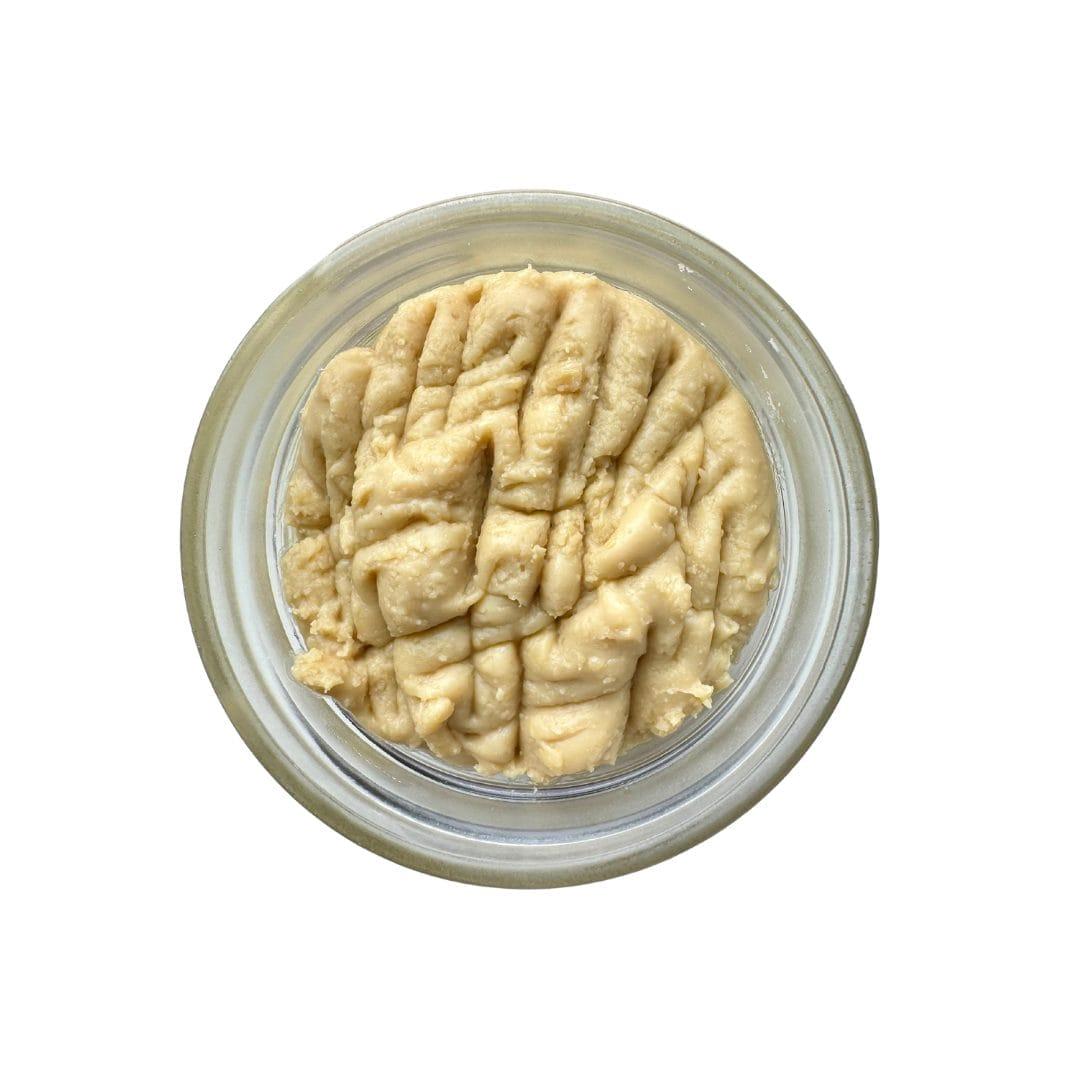
Like a thermometer for a shifting industry, the price per gram of THCA reveals more than a number – it reflects changing laws, supply chains, lab standards, and consumer tastes. In 2024, that single metric has become a useful shorthand for traders, retailers, and curious consumers seeking to understand how a nuanced cannabinoid fits into a rapidly evolving marketplace.
This article takes a clear-eyed look at THCA price per gram: where numbers are moving, why they’re moving, and what that movement means for buyers and sellers. We’ll unpack regional price differences, the impact of testing and purity on value, and how legal classifications and wholesale dynamics are reshaping the landscape. Expect charts of recent trends, explanations of the factors driving premiums and discounts, and practical context so readers can interpret price tags without hype.
Whether you’re tracking market signals or simply want to know if today’s price is a bargain or a warning sign, this introduction sets the stage for a measured, data-focused exploration of THCA value in 2024.
Quality Versus Cost How to Assess Potency Purity and True Market Worth
Price is only one piece of the puzzle - the number on the tag has to be read alongside proof. A reliable certificate of Analysis from a third‑party lab is your window into real potency: look at the reported THCA percentage, total cannabinoids, and the date of testing. Remember that THCA converts to THC when heated (roughly a ~0.88 conversion factor by mass), so a higher THCA percentage usually means stronger effects post‑decarboxylation, but it’s the verified figures that matter, not the labeled claims.
Purity and safety often determine whether a low price is a bargain or a risk. Before buying, check for:
- Third‑party lab testing with batch numbers and readable COAs
- Residual solvents and pesticide panels – clean results protect health
- Heavy metals and microbial screens that confirm production standards
- Terpene profile and moisture content – they affect flavor, stability, and perceived value
True market worth blends chemistry with craft. Extraction method (live resin vs. distillate), cultivar provenance, small‑batch production, and packaging can push price well above a simple cents‑per‑THCA calculation. Use the table below as a shorthand guide to what different price bands commonly deliver in 2024; it’s a starting point for value judgments, not a substitute for COAs and tasting experience.
| Tier | Typical Price / g (USD) | Typical THCA % | Common Notes |
|---|---|---|---|
| Budget | $2-$8 | 20-60% | high volume, basic distillates |
| Standard | $9-$20 | 60-85% | Balanced potency and purity |
| Premium / Craft | $21-$45+ | 80-95%+ | Small batches, live resin or rosin, clean COAs |
Bottom line: cheap can be cheap for a reason, and expensive isn’t always superior. Let verified potency, clean safety panels, and production methods guide you – then decide whether price aligns with the value you actually want.
Compliance Storage and Resale Best Practices to Preserve Value and Minimize Risk
Maintaining regulatory alignment starts with airtight documentation: keep original lab certificates, batch numbers, and transport manifests in both digital and physical formats. Partnering with accredited labs for COA updates and retaining representative samples per regulation helps protect resale value and defend against disputes. Implement a clear labeling system with harvest date, THCA percentage, and lot ID printed on every container so quality and provenance are visible at a glance.
Environmental control is a value accelerator. Store product in a dedicated,climate-controlled area with limited light exposure and stable humidity to slow THCA degradation and terpene loss. The table below summarizes compact, actionable storage targets commonly accepted in compliant operations.
| Parameter | Recommended Range | Why It Matters |
|---|---|---|
| Temperature | 16-21°C (60-70°F) | Slows decarboxylation and mold growth |
| Relative Humidity | 55-62% | Preserves trichomes, prevents brittleness or mold |
| Light | Minimal, opaque storage | Protects cannabinoids and terpenes from photodegradation |
| Packaging | Airtight, child-resistant, inert | Limits oxidation and contamination |
On the resale side, build trust and reduce legal exposure by instituting buyer verification, clear contracts, and clear COA access. Keep inventory lean with strict FIFO rotation and price bands tied to remaining shelf life to avoid steep markdowns. Swift checklist for daily operations:
- Verify buyer credentials and license checks before order fulfillment.
- Confirm chain-of-custody and sealed transfer documentation for every shipment.
- Maintain an auditable recall and destruction plan with retained samples for the typical statute of limitations.
- Schedule periodic third-party audits and insurance reviews to address evolving regulatory risks.
Wrapping Up
As the 2024 market continues to unfold, THCA price per gram remains a moving target - shaped by cultivation cycles, consumer demand, testing standards, and regulatory shifts. What looks like a definitive number today can change with the next harvest, lab result, or policy update, so pricing should be read as a snapshot rather than a fixed truth.
When judging value,remember price is only part of the picture. Lab-tested potency, purity, the reputation of the source, and how the product fits your intended use all matter as much as the per-gram figure. Prioritize verified information, transparent testing, and compliance with local laws over a low sticker price alone.
In short, keep a clear head and an eye on the market: compare prices across reputable vendors, watch for quality indicators, and stay apprised of regulatory developments that could shift supply and demand. As trends and technologies evolve in 2024, informed buyers and sellers will be best positioned to navigate the changes - and the numbers will follow suit.
