


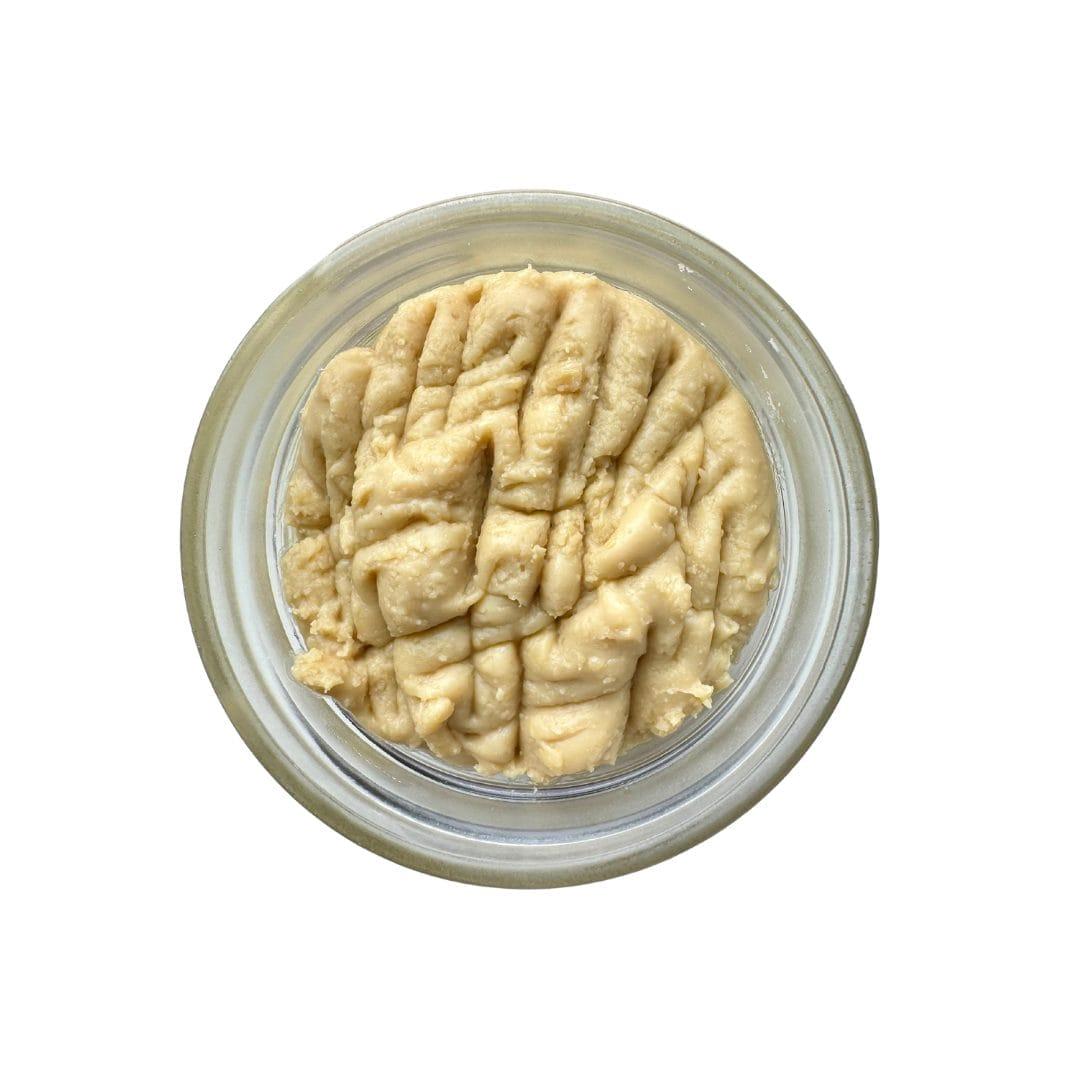
A crisp change is rippling through glass-fronted dispensaries and online listings alike: the price tag on thca per gram is inching downward, and with it, the shape of the market is beginning to shift. What once read as a premium commodity is increasingly accessible, prompting both buyers and sellers to reconsider how value is defined in a rapidly maturing sector.THCa-the raw, non-intoxicating precursor to THC-has moved from niche curiosity to mainstream product line, and falling prices are accelerating that transition. Lower unit costs are nudging consumers toward experimentation with different forms, potencies and brands, while prompting producers to reevaluate margins, sourcing and differentiation strategies.
This article takes a closer look at the forces behind the price decline, who stands to gain or lose, and how consumer behavior is adapting in response. Far from a simple story of cheaper goods,the trend reveals evolving preferences,supply-chain shifts and a market rebalancing that could reshape the industry’s next chapter.
Supply Chain Pressures from Cultivation to Processing That Are Driving Prices Down
rapid scaling on the farm has been a major force reshaping price dynamics. Improved genetics, year‑round indoor grows, and automated environmental controls have boosted yields per square foot, turning what were once niche harvests into predictable, high-volume outputs. When supply outpaces demand, buying desks and processors push prices down to clear inventory, and the result is noticeable compression of per‑gram THCa pricing across wholesale markets.
Processing innovations are amplifying that trend.Modern extraction equipment, continuous chromatography systems, and solvent recovery loops increase throughput while trimming energy and chemical costs, creating a cascading effect on unit prices. add in logistical streamlining – centralized facilities, bulk packaging, and longer shelf stability – and you get a leaner flow from lab to distributor. Key drivers include:
- economies of scale from consolidated operations
- Lower input costs due to efficient extraction and solvent recycling
- Improved logistics reducing transit and handling overhead
- Regulatory familiarity lowering compliance surprises and recalls
These pressures have real market consequences: tighter margins for craft operators, more aggressive bulk pricing from large processors, and clearer segmentation between commodity THCa and premium, small‑batch products. The table below summarizes where cost pressure is strongest and the typical pricing outcome.
| Stage | Primary Pressure | Typical Effect on Price |
|---|---|---|
| Cultivation | Higher yields, automation | Downward – lower cost per gram |
| Processing | Efficient extraction, consolidation | Downward - bulk discounts |
| Distribution | Improved logistics, longer shelf life | Stable to downward |
Retailer and Brand Strategies to Protect Margins While Adapting to Lower thca Prices
Falling THCa prices force merchants to rethink how they keep profits healthy without simply passing every cut downstream. Smart shops are moving away from competing purely on price and are instead building resilience through a mix of operational discipline and value-lead offerings. By optimizing sourcing, reducing overhead with lean inventory techniques, and negotiating flexible contracts with growers, businesses can protect unit economics while still offering competitively priced grams.
Some practical plays are low-cost to implement and immediately impactful. Consider:
- Assortment rationalization – focus shelf space on high-turn SKUs and premium, margin-friendly lines.
- Bundling & tiered sets - mix lower-cost THCa grams with higher-margin accessories or curated experiences.
- Private-label development – capture manufacturer margins and control positioning.
- Dynamic pricing – use data to adjust prices by region, channel, and customer segment.
these tactics keep the customer value proposition intact while shoring up per-unit profitability.
Below is a quick reference for expected impact and rollout speed for common approaches. Use it to prioritize based on yoru team’s bandwidth and risk tolerance.
| Strategy | Expected Profit Lift | Time to implement |
|---|---|---|
| Assortment rationalization | moderate | 2-6 weeks |
| Bundling & tiered sets | High | 1-2 weeks |
| Private-label | High (long-term) | 3-9 months |
| Dynamic pricing | Variable | 1-3 months |
guard long-term resilience by investing in consumer education and loyalty.Brands that articulate quality differentials-terroir, extraction methods, lab transparency-and reward repeat buyers create demand that is less price-sensitive. Coupling that with analytics-driven stocking and cross-channel marketing turns a market-wide price decline into an prospect to win share and sustain healthier returns.
In Conclusion
as THCa prices slide, the market is reshaping itself like a shoreline redefined by shifting tides – product mixes, buyer priorities and retail strategies are all being redrawn. What once looked like a steady map of premium and budget offerings is now streaked with new routes: value-minded shoppers demanding quality assurances, innovators experimenting with formats and potency, and regulators and labs working to keep pace with both safety and transparency needs.
That evolution doesn’t point to a single destination so much as to a crossroads where information, quality control and consumer education will determine which paths succeed. For industry players and consumers alike, the coming months will be a test of adaptability: watch for clearer labels, smarter segmentation and a market that increasingly rewards both trust and choice. Stay observant – the next chapter in THCa pricing and preferences is unfolding, and those who read the signs will navigate it best.
