


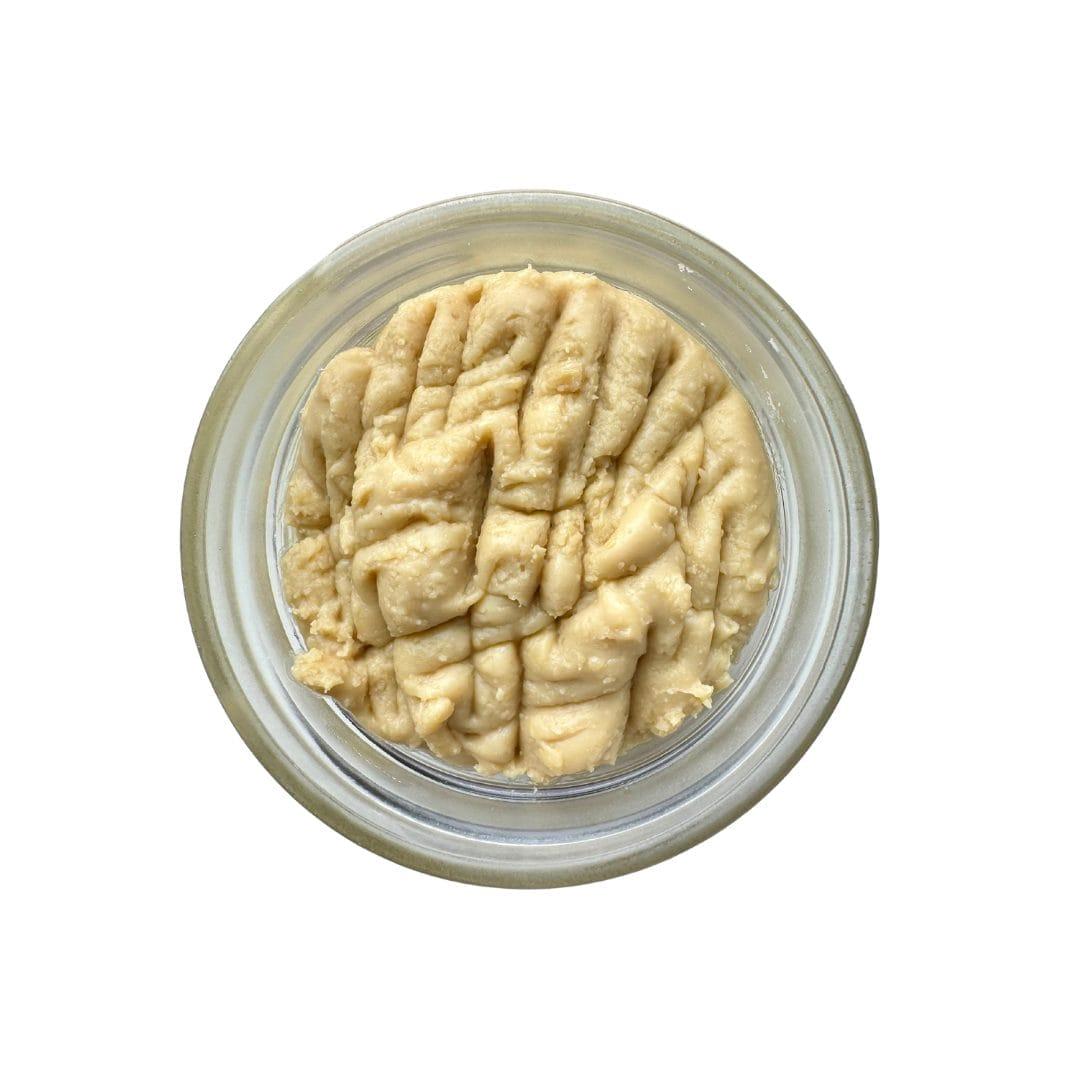
like the first light on a newly harvested bud, THCA’s market value can change quickly - influenced by harvests, lab testing, and shifting local laws. THCA (tetrahydrocannabinolic acid) is the non‑psychoactive precursor to THC found in fresh cannabis flower and some concentrates; as commercial interest in raw cannabinoid products grows, so does demand for up‑to‑date pricing information.
This article delivers a fresh market value snapshot of THCA price per gram, compiling recent data across product types (flower, live resin, diamonds, and distillates), quality tiers, and regional markets. Rather than promising a single universal number,the piece explains the factors that move prices – potency and purity,testing verification,supply cycles,and regulatory context – so you can interpret numbers in the right frame.
Whether you’re a buyer, seller, or market watcher, the goal here is clarity: a neutral, current look at what a gram of THCA is trading for today and why those figures vary. Use this snapshot as a starting point for comparisons, budgeting, or deeper market research.
Regulatory Costs Seasonal Trends and Laboratory Testing Effects on Per Gram Value
Sharp swings in compliance spending and harvest cycles quietly reshape what consumers see on the shelf. When municipalities push through new testing mandates or raise licensing/inspection fees, those added line items get allocated across inventory – often measured down to a few cents per milligram but adding up to noticeable differences in the per gram sticker price. Seasonal harvests amplify the effect: a late fall glut can compress prices,while spring regulatory renewals or sudden enforcement sweeps tighten supply and nudge prices upward.
Laboratory throughput and failure rates are equally influential. Labs operating near capacity create longer turnaround times, which forces producers either to hold product (increasing storage and possibility cost) or to sell lower to move inventory before lab clearance. When batches fail potency or contaminant screens, entire lots may be reprocessed or destroyed – translating into higher per-gram costs for the surviving material and, sometimes, discounts on questionable lots.
- Testing backlog – delays translating to carrying costs
- Failure rates – lost yield and rework expenses
- Fee timing - renewal periods concentrating cost pressure
- Seasonal supply – harvest timing altering market abundance
| Season | Typical Regulatory Fees | Lab Turnaround | Price Impact |
|---|---|---|---|
| Spring | Moderate (renewals) | Normal | Stable |
| Summer | Low | Fast | Lower per gram |
| Fall | High (inspections) | Backlogged | Higher variability |
| Winter | Variable | Moderate | Mixed |
Closing Remarks
like a snapshot caught between breaths, the fresh market value of THCA per gram reflects a moment - shaped by supply, demand, regulation, and consumer preferences. While numbers shift and regions diverge, the patterns you’ve seen here can help orient decisions, whether you’re tracking trends, budgeting, or simply staying informed.
Keep this snapshot as a reference, not a final verdict: prices change, new data arrives, and the landscape evolves. For the most accurate picture,consult local listings,licensed retailers,and up-to-date market reports before acting. If you want more regular updates or deeper dives into regional trends, market drivers, or lab-grade quality indicators, there’s plenty more to explore – and the next snapshot may tell a different story.
