THCA often shows up in conversations about cannabis like an under‑the‑radar character in a crowded stage – not yet the headline act, but essential to the story. If THC is the spark people associate with cannabis, THCA is the quite molecule that waits in the wings: chemically related, different in effect, and key to understanding how the plant’s chemistry changes from garden to glass.
At its simplest, THCA (tetrahydrocannabinolic acid) is a natural compound the cannabis plant produces. It doesn’t produce the same psychoactive effects as THC until it undergoes certain chemical changes. Those changes – what scientists call decarboxylation – alter THCA’s shape and behavior, and that shift is a central idea this article will unpack in plain language.
In the pages ahead you’ll get a short,clear explanation of what THCA is,why it behaves differently from THC,and what factors influence that transformation. No technical jargon,no assumptions – just a fast start guide to the basics so you can follow the rest of the conversation about cannabinoids with more confidence.

Safe and Effective Ways to Use THCA: Raw Consumption, Juicing, and Decarboxylation Tips
Fresh, uncured material is the simplest way to enjoy THCA without psychotropic effects. Young leaves and raw buds can be folded into salads, blended into smoothies, or steeped briefly for a mild, herbaceous tincture. Because THCA is fragile, keep preparations cold and consume promptly: refrigeration preserves the molecule far better than heat or prolonged air exposure. For topical use, infusing fresh plant material into a carrier oil at room temperature yields balms that carry THCA’s properties without decarboxylation.
Juicing is an elegant, fast route to capture live-cannabinoid benefits. Key tips include:
- Choose young, pesticide-free plant material - smaller fan leaves and soft sugar leaves work best.
- Wash thoroughly to remove dust and residues,then juice immediately to minimize oxidation.
- pair with greens or citrus to balance flavor and improve nutrient uptake.
Drink immediately after juicing and start with a small glass to observe how you feel; the taste can be vegetal and potent.
When a psychoactive result is desired, controlled heat converts THCA into THC – but precision matters. Low, steady temperatures and time are the tools: many home methods use an oven set between 105-120°C (220-250°F) for 20-40 minutes, or a sous‑vide/vacuum method for cleaner temperature control. Use parchment-lined trays, an oven thermometer, and avoid exposing material directly to high heat or open flame. overheating not only degrades cannabinoids but can create undesirable flavors and fumes.
Safety and practical notes: always label decarboxylated vs. raw preparations, store them in airtight, dark containers, and keep out of reach of children. Start with low amounts and wait to gauge effects before increasing dose. Quick reference:
| Method | Typical Result | Best For |
|---|---|---|
| Raw/Salad | Non-psychoactive | Daily wellness |
| Juicing | Fast absorption,fresh flavor | Smoothies,shots |
| low-temp Decarb | Psychoactive THC | Edibles,tinctures |


Dosing Guidance and Product Selection: Measuring Strength, Reading Labels, and Quality Markers
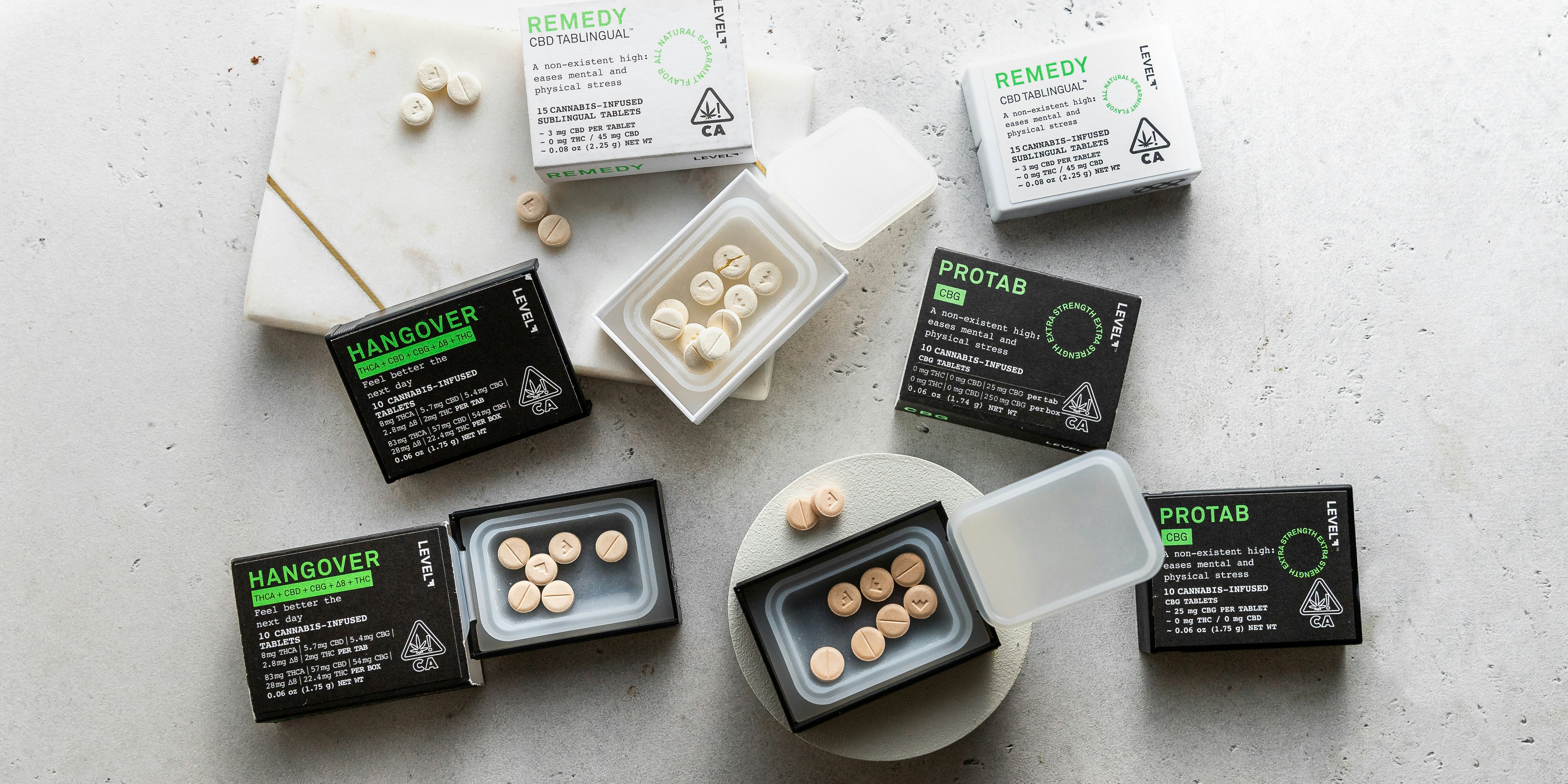
When choosing a product, think in terms of milligrams, not just percentages. A jar that lists 15% THCA sounds potent, but what matters is how many milligrams you get per serving or per gram – that’s what determines the dose. Learn to translate label math: percent × weight = total mg. Also watch for whether the label shows THCA as a raw cannabinoid (common on COAs) or reports total potential THC after decarboxylation – those numbers are different and affect expected potency.
Reading a label well saves trial-and-error. Check for:
- Serving size and mg per serving
- batch number and a link or QR code to the COA (third‑party lab report)
- Extraction method,carrier oils,and added terpenes
- Contaminant screening: pesticides,residual solvents,heavy metals
- Harvest/production date and storage recommendations
Products that are transparent about lab results and manufacture date generally indicate better quality control.
For dosing, adopt the simple mantra: start low and go slow. Many people begin with a microdose – roughly 1-2.5 mg THCA – and increase in small steps (adding 1-2.5 mg every few days) until they reach the effect they want. Route matters: sublingual tinctures and vapes act faster and may require smaller doses than edibles or capsules, which take longer and often need higher milligram amounts for a comparable effect. If you’re trying a new format, wait at least 90-120 minutes before adding more when ingestion is involved.
Quality markers to prioritize are straightforward: an up-to-date COA with cannabinoid breakdown and contaminant screens, clear ingredient lists, and reputable sourcing/processing.Full-spectrum products will list terpene profiles and carry different effects than isolates; freshness (no stale smell, proper packaging) and visible batch control are also good signals. Use these clues to match potency, format, and price to your personal needs rather than chasing the highest percentage on the label.
| product | Typical THCA per Serving | Suggested Starting Dose |
|---|---|---|
| Tincture (sublingual) | 5-20 mg / dropper | 1-2.5 mg |
| Flower (raw) | 50-200 mg / gram (varies) | 2-5 mg |
| Capsule / Edible | 5-25 mg / serving | 2.5-5 mg |
Key Takeaways
you’ve now got the essentials: what THCA is, how it becomes THC, the common ways people use it, and the practical cautions to keep in mind. Think of THCA as the quiet opening line before a story – chemically distinct,frequently enough subtle in effect,and governed by heat,time,and the laws that surround it. If you’re curious, proceed like a careful reader: check the facts, verify lab tests and labels, know your local rules, and consult trusted health professionals when in doubt.Whether you’re exploring raw cannabis for wellness, research, or simple curiosity, a measured, informed approach will help you get the most from what THCA has to offer while avoiding surprises. Keep learning, stay safe, and let reliable data guide the next step of your journey.