


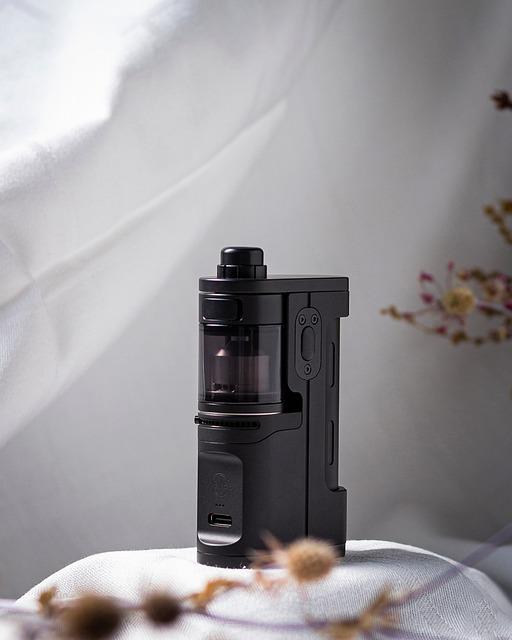
On the surface, THCA sativa vape carts look like another sleek product in an already crowded market: compact hardware, glossy labels, adn a promise of a clean hit. Beneath that surface, however, they sit at the intersection of chemistry, consumer preferences, and supply-chain strategy. For businesses and bulk buyers, choosing the right cart means weighing potency and terpene profile against regulatory compliance, cost per unit, and the ability to offer distinctive flavor lines that resonate with customers.
This article examines THCA sativa vape cartridges from both a product and a procurement perspective. We’ll briefly outline what makes THCA and sativa-derived terpene blends unique, then move into the commercial side: how bulk discounts work, what to expect from minimum order quantities and lead times, and the creative possibilities of custom flavors and private-label runs. Whether you’re sourcing for a dispensary, a retail brand, or a white-label portfolio, the goal is the same-find a balance between quality, differentiation, and margin-and we’ll show you how to approach that balance thoughtfully.
THCA Sativa Essentials and How Its Effects Differ from CBD and Delta Products
THCA in its raw state is non-intoxicating, but once heated in a vape it rapidly decarboxylates into THC, delivering a profile many describe as luminous and head-forward when paired with sativa-leaning terpenes. Instead of couch-lock heaviness, these blends tend to emphasize aroma-driven clarity and a sense of forward momentum-though individual responses vary. Expect terpene cues that steer the vibe as much as the cannabinoid does:
- Limonene: citrus snap, perceived sparkle
- Pinene: pine-bright lift, crisp focus notes
- Terpinolene: herbal-hazy, airy and lively
By contrast, CBD is non-intoxicating and often described as steadying or smoothing when used alongside other cannabinoids. While THCA (once heated) can feel assertive, CBD’s contribution is more about balance-rounding edges, maintaining clarity, and supporting a composed experience without the “high.” In formulations, CBD can be positioned to temper intensity, letting sativa-forward flavors shine while keeping the overall ride even.
Delta-category products add more shades to the spectrum. Anecdotally, Delta-8 trends mellower, Delta-9 is the familiar benchmark for potency, and delta-10 is often described as lighter and more buzzy. heated THCA can approximate a Delta-9-like effect, but the terpene map and ratio decisions still set the tone. See the quick-reference below:
| Compound | feel | Notes |
|---|---|---|
| THCA (vaped) | THC-like; sativa-leaning lift | Decarbs on heat |
| CBD | Clear, non-intoxicating | Tones intensity |
| Delta-8 | Softer, mellow | Gentler onset |
| Delta-9 | Potent, classic | Varies by dose |
| Delta-10 | Light, sparkling | Uplift-centric |
For bulk buyers and custom flavor runs, the essentials come down to targeted outcomes and a clean, consistent base. Pair sativa-forward THCA with bright top notes and keep supporting terpenes tight for repeatable results:
- Citrus Burst (limonene + valencene): snappy aroma with a quick, lively feel
- Forest Crisp (alpha-pinene + beta-pinene): fresh, lucid profile with breathable lift
- Tropical haze (terpinolene + ocimene): airy, fruit-herbal complexity
- Balance lever: add CBD for composure without muting flavor
- Intensity lever: tune THCA ratio for presence; consider Delta-8 for softer edges
- clarity lever: prioritize lighter carriers and low color for a clean visual finish

Selecting Cartridge Hardware and Temperature Profiles for Optimal Terpene Preservation
Hardware sets the stage for flavor long before heat ever touches your oil. Look for carts built around a microporous ceramic core to wick evenly and shield delicate monoterpenes from scorching. A borosilicate glass tank preserves aroma purity, while a stainless steel center post keeps structural integrity under repeat heating. Match intake aperture to viscosity: narrow inlets help prevent flooding in terpene-rich blends; wider inlets support thicker formulations. Pair with a reliable 510 battery that offers low, precise voltage steps rather than aggressive auto-boosts.
| Coil/Core | Resistance | Airflow | Sweet-Spot | Flavor Focus | Notes |
|---|---|---|---|---|---|
| Porous ceramic | 1.2Ω | Balanced | 325-355°F / 2.8-3.2V | Citrus, pine | Crisp, clean pulls |
| Sintered ceramic + SS post | 1.4Ω | Tight | 315-340°F / 2.7-3.0V | Floral, herbal | Max aroma fidelity |
| Ceramic, wide inlets | 1.0Ω | Open | 350-380°F / 3.2-3.6V | Tropical, dense | Smoother clouds |
Terpenes in bright Sativa profiles are highly volatile, so start low and step up. For sharp, zesty top notes (limonene, pinene, terpinolene), aim for 315-340°F with gentle power delivery (~5-7W on a 1.2-1.4Ω coil). To round out body and depth without dulling nuance, explore 340-365°F. Bigger plumes live around 365-390°F, but expect a trade-off in brightness. Voltage-only devices? Try 2.7-3.0V for terpene-forward sips, then test 3.2-3.4V when you need added density-keeping pulls short to avoid thermal creep.
- Prime and pause: Let filled carts rest upright before use; take short, 2-3s puffs with 30-45s cool-downs.
- gentle preheat: A brief 1-2s warm-up helps flow without roasting top notes.
- Clean contact: Wipe threads and pins; stable conductivity = stable temps.
- Store smart: Upright, cool, and dark to reduce oxidation and terpene drift.
Airflow tuning matters as much as heat. A tighter draw concentrates aroma at lower temps-ideal for citrus-forward,energetic profiles-while a more open path supports warmer settings and fuller plumes. Align battery behavior with coil specs; consistent low-ramp power avoids the flavor shock that comes from early spikes. for bulk runs, request supplier data on coil porosity, aperture size, resistance tolerance, and airflow so each flavor SKU lands on the same sensory baseline.
When shaping custom flavors,run a small-panel “ladder” tasting: sample at low / mid-low / mid settings on two hardware types,capture notes on brightness,body,and aftertaste,then lock a house profile for that cart. Document it like a roast curve-device model, coil ohms, voltage/temperature, puff length-so every scaled batch hits the same terpene target, lot after lot.

Designing Custom Flavors and Terpene Blends with Pairing Recommendations for Sativa Notes
Build your signature around an aromatic arc: bright top notes that sparkle, a juicy or herbal heart that carries, and a clean, uplifting finish. for lively, daytime-kind profiles, spotlight citrus-forward terpenes like limonene and valencene, weave in airiness from terpinolene or clarity from α-pinene, then smooth the tail with gentle florals (a touch of linalool) or a peppery snap (β-caryophyllene) to keep the blend grounded and refined.
- Citrus Spark: limonene + terpinolene with a zest of sweet orange; bright, clean, fast-lifting aroma.
- Orchard Mist: pinene + valencene; green apple peel meets tangerine pith for a crisp, dewy snap.
- Island Uplift: terpinolene + myrcene with mango esters; tropical fizz over a soft, juicy core.
- Forest Tonic: α/β-pinene + caryophyllene; resinous pine, cracked pepper, and a minty-cool finish.
| Profile | Key Terpenes | Accent | pair With | Why It Works |
|---|---|---|---|---|
| Citrus-Forward | Limonene, Valencene | Sweet orange | Yuzu soda or lemon iced tea | Echoes zest and lifts sparkle |
| Herbal-pine | α/β-Pinene | Spearmint | Cold brew or rosemary lemonade | Bittersweet backbone, green clarity |
| Tropical-Mango | Terpinolene, Myrcene | Passionfruit | Coconut water or pineapple spritz | Juicy depth with airy top notes |
| Floral-Sweet | Linalool, Ocimene | Lavender honey | White tea or pear nectar | Softens edges, keeps lift |
For custom runs and bulk programs, pick one or two hero terpenes to define the identity, then let fruit or herbal accents play in the background-terpene first, flavor second. Keep sweetness restrained so the nose stays crisp, and reserve coolants for a subtle after-feel rather than a dominating chill. Consider seasonal riffs (citrus peel in spring, herb-garden greens in summer), and maintain consistency by bench-marking against a house control-clean, bright, and unmistakably sativa in character.
Regulatory Compliance, Lab Testing Standards, and Safety Checks for Wholesale THCA
Scaling Sativa carts built on THCA demands more than great flavor-it requires a compliance mindset from seed to ship. Laws vary by jurisdiction, so align every batch with federal definitions and destination-state rules, and document each step. Build labels that are transparent and legally sound, deploy scannable proof of testing, and maintain traceability that supports rapid, targeted recalls if ever needed. A compliance-first posture protects customers, preserves brand equity, and keeps wholesale channels open.
- Hemp thresholds: Verify delta-9 THC ≤ 0.3% by dry weight; some states also apply a “total THC” standard-confirm before sale or shipment.
- Label integrity: Batch/lot ID, net contents, mg THCA per cart, full ingredient list (including terpene source), manufacturer details, MFG/EXP dates, usage and age warnings, and a QR code to the latest COA.
- Marketing restrictions: 21+ only, avoid health claims and youth-appealing imagery; follow platform and retailer policies.
- Traceability & recalls: End-to-end lot tracking from biomass to finished goods; keep recall SOPs and conduct mock drills.
- shipping & storefronts: Screen destination prohibitions, use adult-signature delivery where required, and align battery shipments with transport rules.
Third‑party labs with ISO/IEC 17025 accreditation and documented chain of custody are the backbone of credible wholesale. Use validated methods-HPLC/UPLC for potency, GC‑MS for solvents, ICP‑MS for metals, LC‑MS/MS for pesticides-and define batch‑release criteria aligned with state panels and industry references (e.g., USP <467>, AOAC). Report both delta‑9 THC and, where required, total THC; include terpene profiles to verify flavor specs. Require full-panel coas per lot, signed by the lab director, with sample photos and clear pass/fail limits.
| Panel | Method | Spec/Limit | Freq. |
|---|---|---|---|
| Potency | HPLC/UPLC | Δ9 ≤ 0.3% d.w.; THCA reported | Each batch |
| Residual Solvents | GC‑MS (USP <467>) | Meets Cat 1/2 limits | Each batch |
| Heavy Metals | ICP‑MS | Pb, As, cd, Hg pass | Each batch |
| Pesticides | LC‑MS/MS | State panel pass | Each batch |
| Microbials | PCR/plating | Pathogens ND | Each batch |
| Mycotoxins | LC‑MS/MS | AFB1+B2+G1+G2 pass | Each batch |
| Terpenes | GC‑FID | Profile matches spec | Per flavor |
| emissions | HPLC/GC‑MS | No carbonyl spikes | Per hardware lot |
| Cutting Agents | NMR/IR | No Vit. E/MCT | Each batch |
Beyond analytics, vet the hardware and packaging that bring the extract to life. Favor inert contact materials (e.g., stainless and high‑grade ceramics), verify seals for extract compatibility, and test for leachables under real‑world conditions. Conduct emissions testing at intended power settings to rule out thermal degradation byproducts. For logistics, ensure battery components meet UN38.3 for transport and that retail packaging is child‑resistant and tamper‑evident with clear inhalation‑use warnings and storage guidance.
- Hardware validation: Airflow, coil resistance, temperature curve, clog/viscosity stress tests, and metal leach checks.
- Materials compliance: RoHS/REACH declarations and certificates of composition for all wetted parts.
- Packaging safety: Child‑resistant (CPSC 1700.20), tamper‑evident seals, durable inks, smudge‑proof QR codes.
- Release controls: QA sign‑off only when COAs match lot IDs, labels are verified, retains are pulled, and shipping documentation is complete.
Wrapping Up
Whether you’re stocking a dispensary shelf or refining your personal lineup, THCA Sativa vape carts sit at the intersection of potency, variety, and commerce. Bulk discounts can make ambitious product plans financially feasible, while custom flavors let brands and consumers alike tailor the experience. The smartest buyers balance the lure of lower per-unit costs with insistence on third‑party lab testing, clear ingredient lists, and transparent manufacturing practices.
As the market matures, success will favor those who treat flavor and formulation as more than marketing-prioritizing consistency, compliance, and the subtle art of matching terpene profiles to customer expectations. For retailers, that means sampling before scaling; for consumers, it means choosing products backed by data as well as taste. In a landscape that rewards both creativity and accountability, thoughtful choices will define the difference between a fleeting trend and a lasting offering.
Consider this a prompt to explore further: compare vendors, request certificates of analysis, and let quality-not just price-shape your next order. The right combination of bulk savings and crafted flavor can elevate the vape experience without sacrificing safety or standards.

