



Hidden in the green of a fresh cannabis leaf is a quiet chemical story most people only hear the punchline to: THC. But before the plant ever reaches a rolling tray or a vaporizer, another compound quietly holds center stage – THCA.In “THCA Uncovered: A Simple, Neutral Clarification” we strip back jargon and hype to look at what THCA actually is, where it sits in the plant’s chemistry, and why it matters to scientists, consumers, and regulators alike.
This introduction will guide you through the essentials: a plain-language definition, how THCA relates to the better-known THC, what current research and regulation say (and don’t say) about it, and the practical questions people commonly ask. Expect clear facts, minimal technical detail, and a steady neutral tone – no advocacy, no alarmism – just the information needed to understand this lesser-known member of the cannabinoid family.
Understanding THCA and How It Differs from THC
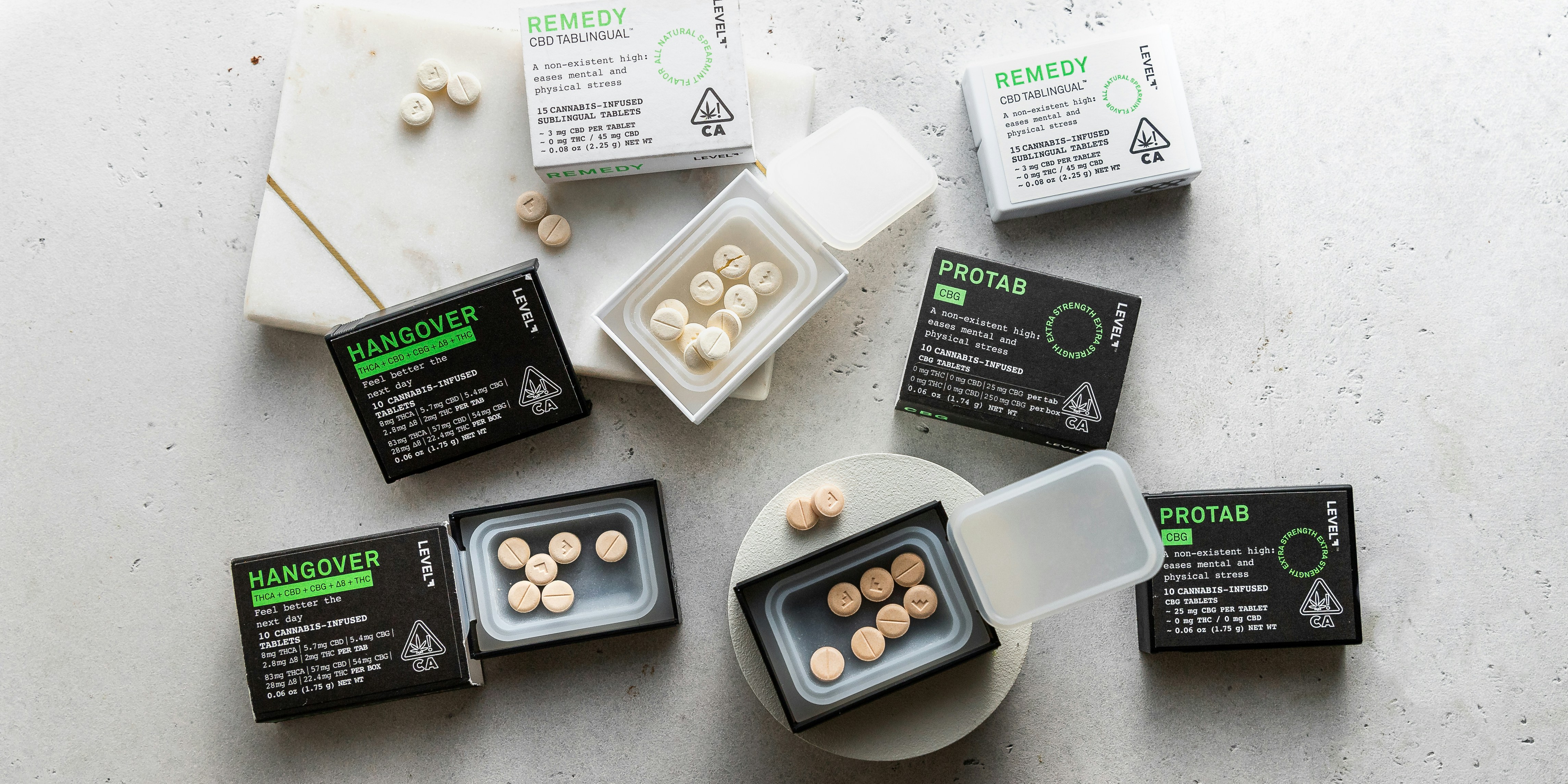
Found naturally in fresh cannabis flowers and leaves,THCA is the acidic precursor that plants produce before heat or time transforms it. in its native state it carries a slightly different molecular shape and, importantly, is generally considered non-intoxicating. People encounter it most often in raw tinctures, juiced cannabis, or unheated concentrates where the plant’s natural chemistry remains intact.
- Psychoactivity: THCA – typically non-intoxicating; THC – psychoactive.
- Chemistry: THCA contains a carboxyl group that THC lacks (removed by decarboxylation).
- How it appears: THCA in raw plant material; THC after heating, aging, or combustion.
| Feature | THCA | THC |
|---|---|---|
| Psychoactive | No (generally) | Yes |
| Typical form | Raw plant / cold extracts | smoked, vaped, or heated extracts |
| Change | Converted by heat/light | Result of decarboxylation |
from a consumer viewpoint, the choice between THCA and THC is about effect and intent: THCA offers a way to engage with the plant’s chemistry without the typical high, while THC is the compound most associated with recreational and many medical effects.Laboratories, labels, and thoughtful dosing matter as testing distinguishes these molecules and helps users understand potency, legal status, and expected outcomes as scientific knowledge continues to develop.
The Science Behind THCA: Biosynthesis, Decarboxylation, and How It Acts in the Body
Inside the plant, cannabinoids begin as a blueprint rather than a finished product. The little factory is the glandular trichome on flowers and leaves, where enzymes transform a common precursor, CBGA (cannabigerolic acid), into distinct acidic cannabinoids. One of those enzymes, THCA synthase, catalyzes the formation of the molecule we call THCA – the “A” standing for the acid that gives it an extra carboxyl group and a different chemical personality than its neutral cousin.
Change comes with energy. When THCA is exposed to heat, light or long storage, it can lose that carboxyl group in a process called decarboxylation, releasing carbon dioxide and producing THC. This is a chemical conversion, not a mystical one: break a bond, rearrange electrons, get a different compound. The speed and completeness of that conversion depend on temperature, time and conditions, so THCA-rich material may contain a mix of both molecules rather than a clean switch.
Speedy comparison
| Feature | THCA | THC |
|---|---|---|
| Chemical form | Acidic (has CO₂ group) | Neutral (decarboxylated) |
| Psychoactivity | Minimal/none under typical conditions | Yes (binds CB1 in brain) |
| typical origin | Fresh plant,trichomes | After heat or aging |
What happens after THCA enters the body is still an evolving picture. Unlike THC, THCA does not strongly activate the brain’s CB1 receptors, which explains its lack of classic psychoactive effects in most settings. laboratory work hints that THCA may interact with other biological targets – ion channels, enzymes and nuclear receptors – but human data are limited and keep the story open-ended. Some studies also look at whether acidic cannabinoids can convert to neutral forms under stomach acidity or during digestion, but results vary and depend on dose, formulation and context.
- Where it’s made: trichomes on fresh cannabis flowers and leaves.
- What converts it: heat,light,time-chemical decarboxylation removes CO₂.
- How it behaves: chemically distinct from THC, with different receptor interactions and a subtler bio-profile.
Measuring Purity and Potency: interpreting Lab Tests and product Labels
Laboratory reports and product labels are a map to what you’re actually getting, but the map uses its own language. A Certificate of Analysis (COA) will list raw numbers like THCA percentage, delta‑9 THC percentage, and total cannabinoids – often given as percent by weight. Remember that THCA converts to THC when heated, so labs sometimes report both the measured THCA and an estimated “total THC” after decarboxylation. Watch the units: % w/w tells you concentration, while mg per serving tells you dose.If a label promises 10 mg per gummy but the COA reports 8 mg per piece, that gap matters.
Purity is a different axis than potency. A high percentage of the target compound means little if contaminants are present. Look for an independent lab logo and accreditation (such as, ISO/IEC 17025) and confirm the COA covers these checks. Key things to verify include:
- Residual solvents – are levels below the lab’s limits?
- Heavy metals – lead, arsenic, cadmium, mercury results.
- Microbial contaminants – yeast, mold, E. coli.
- terpene profile – if aroma/effects are vital.
A clear COA will show limits of detection (LOD) and whether a compound was not detected or simply below reporting thresholds.
To make quick sense of a COA, a small table can be useful. Below is an example snippet you might expect to see; treat these figures as illustrative rather than prescriptive.
| Analyte | Result | Comments |
|---|---|---|
| THCA | 18.5% | Measured by HPLC |
| Delta‑9 THC | 0.3% | Raw plant THC |
| Total Cannabinoids | 20.1% | THCA converted + others |
| Residual Solvents | None detected | LOD 2 ppm |
Use the COA to cross‑check the product label (serving size, mg per dose) and pay attention to batch numbers and dates. When in doubt, prefer products with full, recent COAs and labs you can verify – that’s the clearest way to align label claims with the actual chemistry inside the jar.
Practical Uses and Consumption Methods with evidence Based recommendations
Many people experiment with THCA for everyday wellness goals-typically aiming for anti-inflammatory or neuroprotective benefits suggested by preclinical studies and early human research. Current evidence is limited and provisional, so any practical use should be framed as exploratory rather than curative. In practice, users most often pursue THCA for gentle, non-intoxicating support (raw juicing or cold extracts), targeted topical relief (creams and balms), or as a component of whole-plant regimens where preserving the acid form is intentional. Keep expectations modest: clinical validation is still emerging, and results vary widely between individuals.
How you consume THCA determines whether it stays THCA or converts into THC. Heating methods (smoking, vaping, baking) decarboxylate THCA into THC, producing intoxication and different effects; to preserve THCA use cold or low-heat preparations. Practical, lower-heat options with the best chance to retain THCA include cold-pressed juicing of raw flower, cold-infused tinctures (solvent or glycerin-based), capsules made from lab-tested extracts, and topical formulations. For safety and reproducibility, prefer products with third-party lab results that list THCA concentration and residual solvents.
| Method | Preserves THCA? | Onset | Best for |
|---|---|---|---|
| Raw juicing | Yes | 15-60 min | Daily microdosing, easy home use |
| Cold tincture | Yes | 15-45 min (sublingual) | Controlled dosing, portability |
| Topical cream | Yes (localized) | 10-30 min | Localized discomfort or inflammation |
| Smoking / Vaping | No (converts to THC) | Immediate | When intoxication is desired |
Adopt conservative, evidence-minded habits: start low and go slow, record effects, and allow several days to assess subtle outcomes. Avoid THCA during pregnancy and breastfeeding, and discuss use with a clinician if you take medications metabolized by the liver (potential drug interactions via CYP enzymes are plausible). Store products cold and dark to slow degradation, clearly label concentrations, and keep them away from children and pets. check local regulations-legal and testing frameworks for THCA vary by jurisdiction, so sourcing from reputable suppliers with transparent lab reports is an evidence-aligned best practice.
Key Takeaways
As we close this simple guide to THCA, think of it as a quiet chapter in the larger story of cannabis chemistry: a naturally occurring compound, often present in raw plants, that behaves differently from its more familiar relative, THC.It doesn’t typically cause intoxication in its raw form, and it becomes THC through processes like heat-driven decarboxylation. Scientific understanding is still evolving, and legal status can differ by place.
If this overview sparked questions, follow up with reliable sources-peer-reviewed studies, local regulations, or a qualified healthcare or legal professional-so you can examine the details that matter for your situation. Knowledge doesn’t prescribe a choice, but it does give you the clearest lens through which to look. Stay curious, and keep asking clear, measured questions.

