


Hidden in the green folds of the cannabis plant is a molecule that rarely takes center stage but quietly shapes much of what we think we certainly know about cannabinoids: THCA. Think of it as a molecular chrysalis – abundant and inert in raw flower, it transforms under heat into the more familiar THC, yet in its native form it has its own properties, behaviors, and questions scientists are still unraveling.
This article, “THCA Uncovered: How It Works and What Sets It Apart,” will guide you through that transformation and beyond. We’ll explain the chemistry that defines THCA, how it interacts (or doesn’t) with the body’s cannabinoid system, and why its legal and practical status often diverges from THC. Along the way we’ll separate fact from hype, examine the latest research on potential therapeutic effects, and highlight practical considerations for consumers and researchers alike.
Whether you’re curious about the science behind raw cannabis products, interested in the nuances of cannabinoid testing, or simply want to understand why THCA matters, this introduction is the first step toward a clearer, more measured view of a compound that’s quietly reshaping conversations about cannabis.

Understanding THCA: Structural Identity,Natural Occurrence and How It Differs from THC
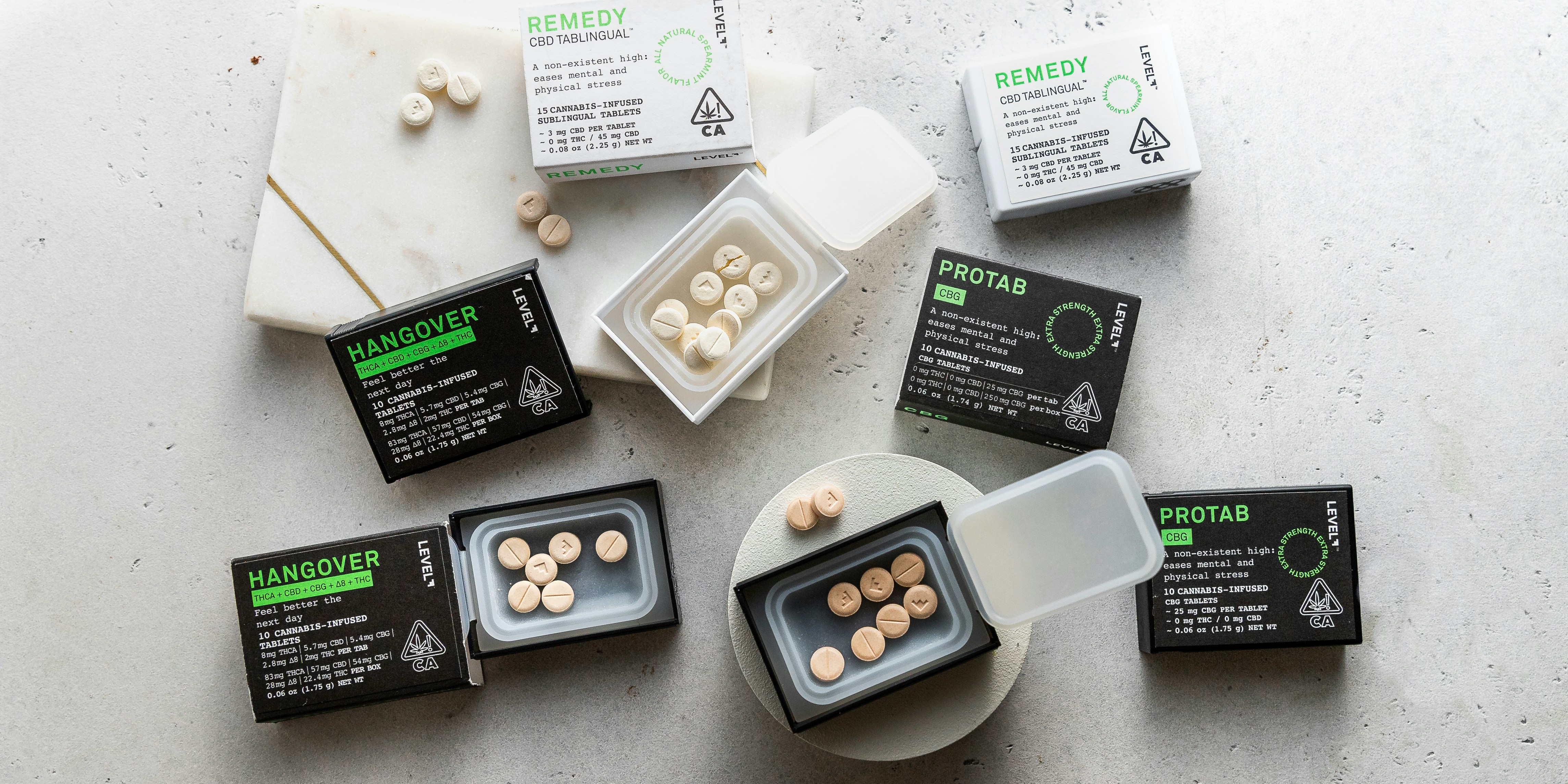
Chemically speaking,THCA is the acidic,non-psychoactive precursor to the compound most people associate with cannabis effects. its backbone is very similar to that of THC, but a carboxyl (-COOH) group distinguishes it and changes how it behaves in the body and under heat. In its native form within the plant, THCA is bulkier, less volatile, and more polar than THC – properties that directly affect absorption, receptor binding, and laboratory detection. Think of it as the “sleeping” form: the molecule holds potential energy and a slightly different shape until something – usually heat – nudges it into a new identity.
Inside the plant, THCA is not an accident but the product of a precise biosynthetic pathway. Glandular trichomes on flowers and sugar leaves are biochemical factories where enzymes convert CBGA into THCA via THCA synthase. Because it’s tied to living tissue and enzyme activity, THCA is most abundant in fresh and minimally processed material. Typical sources include:
- Freshly harvested flower and live rosin
- Cold-processed extracts that avoid decarboxylation
- Raw tinctures and topical formulations
What sets this molecule apart from its decarboxylated counterpart goes beyond a single functional group. THCA does not produce the characteristic intoxication associated with THC, interacts differently with cannabinoid receptors, and tends to degrade rather than persist when exposed to heat, light, or oxygen. Below is a concise comparison to highlight practical differences for users, cultivators, and formulators:
| Property | THCA | THC |
|---|---|---|
| Psychoactivity | Non-psychoactive | psychoactive |
| chemical feature | Carboxylated acid (-COOH) | Neutral (decarboxylated) |
| Common source | Raw plant, cold extracts | Smoked, heated, aged products |
| Stability | Less stable; decarboxylates with heat | More stable under typical conditions |

The Biochemistry of THCA: Decarboxylation Pathways,Receptor Interplay and Pharmacological Insights
At the molecular level it behaves like a slow-burning prologue: an extra carboxyl group hangs off the core cannabinoid scaffold,making the molecule more polar and chemically distinct. That carboxylate is the fulcrum of change – release it and the neutral form emerges. This transformation is principally non-enzymatic, driven by heat, light and time; the ejection of carbon dioxide rearranges electron density, raises lipophilicity and opens a very different pharmacological persona. chemically, the pathway is simple in concept but rich in nuance: oxidative side reactions, isomerization and the surrounding matrix (plant resin, solvent, pH) all shape the yield and by‑product profile.
Its interactions with biological receptors read like an eclectic guest list rather than a single steady partner. Unlike the classical high-affinity binders of the brain’s CB1 receptors, this molecule shows low direct affinity for canonical cannabinoid sites and instead appears to nudge a collection of ion channels and nuclear receptors – transient receptor potential channels (TRPs), PPARγ and even cyclooxygenase-related pathways feature in preclinical screens. Such interplay hints at multi-target pharmacology rather than a simple on/off psychedelic effect; in practical terms, the compound often behaves as a less centrally active, more peripheral‑oriented signaling modulator.
From a pharmacological perspective, polarity matters. The acidic form’s water‑soluble tendencies limit blood-brain penetration and favour peripheral distribution and first‑pass metabolism; conversion to the neutral form increases brain access and the potential for psychoactive effects.Formulation, storage and method of management therefore dictate the biological outcome as much as the molecule itself. While preliminary laboratory studies have mapped interesting anti‑inflammatory and receptor‑modulating activities, clinical translation requires careful separation of the parent acid from its decarboxylated sibling and robust human data to define meaningful effects.
- Key molecular features: polar carboxyl moiety, CO₂ loss on activation, altered lipophilicity after conversion
- Receptor profile: low CB1/CB2 affinity, activity at TRP channels and PPARs reported in preclinical work
- Pharmacology note: peripheral preference when acidic; increased CNS exposure after neutralization
| Feature | Acidic precursor | Neutral counterpart |
|---|---|---|
| Polarity | Higher (more polar) | Lower (more lipophilic) |
| CB1 affinity | Low | High |
| Psychoactivity | generally absent | Present |


Safety, Legality and Drug Testing: Practical Guidance for Consumers and Healthcare Providers
Raw THCA sits quietly in the cannabinoid profile-non-intoxicating until heated-but its safety profile is shaped as much by manufacturing and use as by chemistry. As many commercial THCA products are processed, mislabeled, or contaminated, consumers should treat product claims with skepticism and request independent testing.Certificates of analysis (COAs) from accredited labs are the most reliable way to confirm potency and contaminants (pesticides, heavy metals, solvents). even when COAs are available, look for batch-specific reports and clear decarboxylation data; heat, light, and storage all change what’s really in the jar.
Legal status is patchwork: in some places hemp-derived THCA products that test under 0.3% delta-9 THC by dry weight fall into compliant territory, while other jurisdictions classify any readiness that can become intoxicating as a controlled substance. Clinicians and pharmacists should be fluent in local rules and counsel patients that crossing state or national borders can convert a lawful purchase into illegal possession. Documentation matters: keep records of product COAs and the patient’s stated source,batch numbers,and forms (flower,tincture,topical) to reduce legal and clinical ambiguity.
Drug testing is a common concern. Standard workplace and clinical urine tests detect THC metabolites (primarily THC-COOH), not THCA itself, but decarboxylation during product use or inconsistent manufacturing can introduce delta-9 THC that will metabolize and trigger positives. The following fast-reference summarizes typical risk drivers:
| Factor | Relative risk of Positive Test |
|---|---|
| Inhalation (smoking/vaping) | High |
| Oral consumption of decarboxylated products | Moderate-High |
| Raw/sublingual THCA with verified COA | Low-Uncertain |
| Unknown/mislabeled product | Elevated |
Practical steps for consumers and healthcare providers: request COAs, choose vendors with clarity, and treat any use as potentially test-affecting if the product is smoked or heat-processed. For clinicians, document use on the chart, discuss possible drug-drug interactions (cannabinoids may affect CYP450-metabolized drugs), and advise patients subject to testing to abstain or use only well-documented, lab-verified products.In situations requiring certainty-employment testing, surgery, or controlled-substance monitoring-prefer conservative guidance: assume the possibility of a positive test and plan accordingly.
Closing Remarks
As our journey through “THCA Uncovered” comes to rest, what remains is a portrait of cannabis chemistry that is both familiar and surprising: a molecule quietly present in the plant, structurally close to THC yet behaviorally distinct, carrying promise and unanswered questions in equal measure. Understanding THCA’s role – how it is formed,how it differs from its more famous relative,and why context (heat,extraction,and law) matters – turns a single compound into a window on the broader complexity of the cannabis plant.
The story of THCA is still being written. Emerging research, shifting regulations, and evolving consumer interest will shape what we know next. For curious readers, that means staying attentive to new studies, legal updates, and reliable sources, and approaching novel products with the same critical eye used here: informed, cautious, and open-minded.
Whether you leave this article with practical questions or simply a renewed thankfulness for plant science, the take-away is straightforward: THCA is not just a chemical footnote – it’s a reminder that the familiar can hide nuance, and that careful inquiry is the best guide through a changing landscape.