Before the flame and beyond the myth lies a molecule that’s been quietly shaping conversations about cannabis science: tetrahydrocannabinolic acid, or THCA. Present in fresh cannabis plant material, THCA is chemically distinct from the more familiar THC, and its story touches chemistry, medicine, law, and culture in ways that are often misunderstood.
This article peels back the layers to reveal what THCA actually is, how it behaves in the plant and the lab, and why heating-or the lack of it-matters. You’ll get clear explanations of the underlying chemistry (including decarboxylation), an overview of reported and potential uses, and a look at how scientists test and measure THCA.
We’ll separate fact from folklore, summarize what current research supports, and flag the gaps that still need study. Whether you’re curious about raw cannabis products, responsible consumption, or the evolving regulatory landscape, this guide aims to inform without hype.
Read on to uncover the science, the uses, and the practical facts about THCA-so you can understand what it is, what it isn’t, and why it matters now.
How to Choose and Use THCA Products: Dosage Considerations, Consumption Methods, and Storage Tips
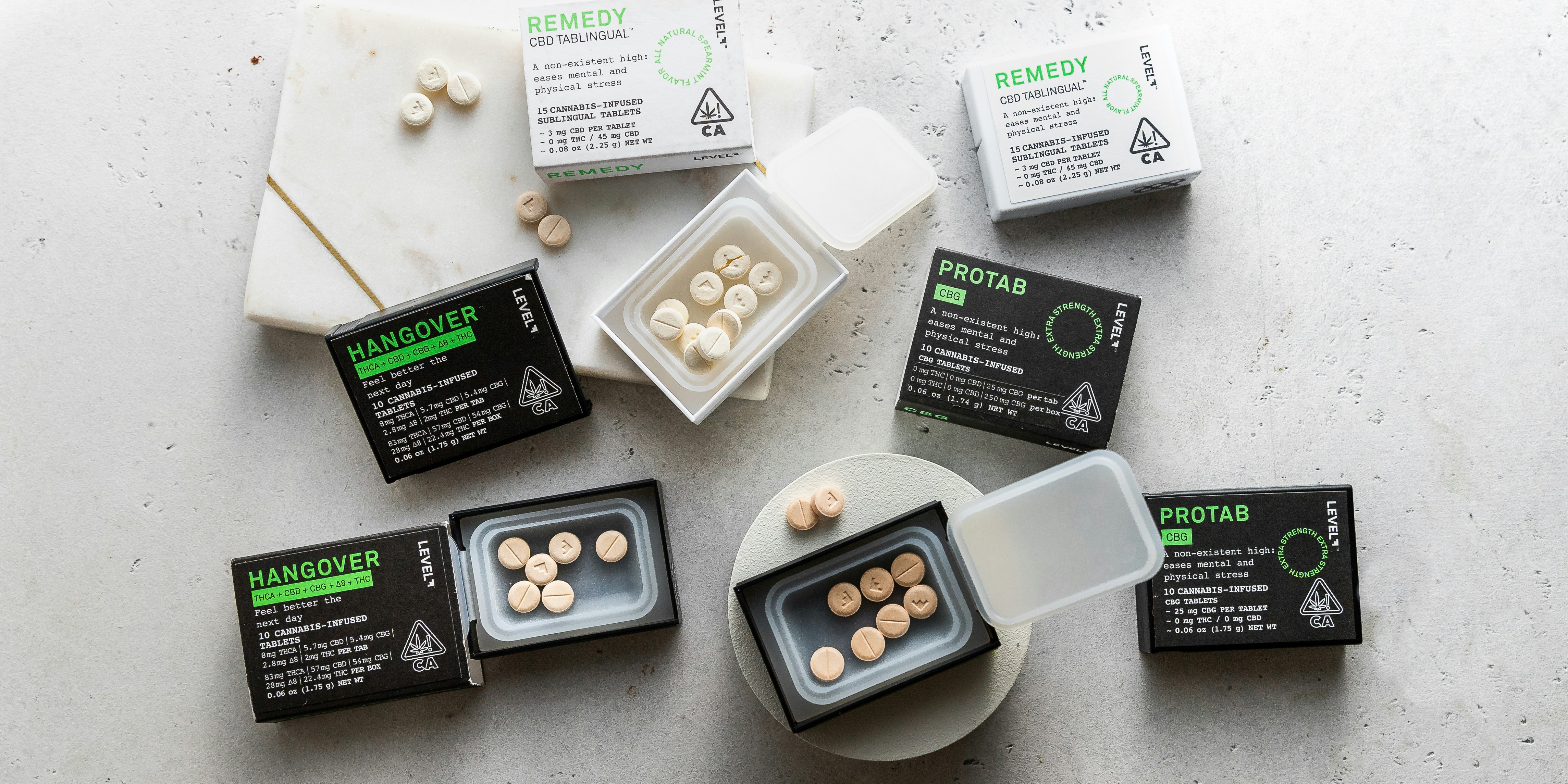
Choose quality over hype. Look for products with a clear Certificate of Analysis (COA), obvious sourcing, and third‑party lab testing that lists THCA content, contaminants, and terpene profiles. Decide whether you wont raw THCA (non‑intoxicating unless heated) or a product already designed to convert to THC, and prefer full‑spectrum extracts if you value the entourage effect. Packaging clues matter too: child‑resistant caps, batch numbers, and clear dosing guidance are signs of a reputable brand.
Dosage is personal - start low and go slow. As THCA behaves differently depending on whether it’s heated,begin with conservative amounts and give each method time to reveal its effects. As a rough guide, many users start with:
- Tinctures: 2.5-5 mg equivalent THCA (sublingual onset is quicker if not heated)
- Edibles/Canapés: 2.5-5 mg THC equivalent if decarboxylated (longer onset)
- flower or concentrates: a single small inhale or a pea‑sized dab – remember heat converts THCA to THC rapidly
- Topicals: Use per label; these are often non‑psychoactive
Track your response for several hours before increasing dose, and note that products labeling THCA versus THC require different expectations for potency and effect.
Pick a method that fits your needs, not trends. Raw juicing and cold tinctures preserve THCA in its original form and are best for non‑intoxicating use. Vaping, smoking, or dabbing produces rapid onset but converts THCA to psychoactive THC – ideal if you want fast effects but less predictable dosing. Edibles offer long, steady durations but depend on proper decarboxylation and consistent infusion. The quick comparison below helps visualize onset and duration:
| Method | Onset | Duration |
|---|---|---|
| Raw/Cold Tincture | 10-30 min | 1-3 hours |
| Vape/Smoke | Immediate | 1-4 hours |
| Edible (decarbed) | 30-120 min | 4-8+ hours |
| Topical | 10-30 min | Localized,variable |
Store to preserve potency. Light, heat, oxygen, and humidity accelerate decarboxylation and degradation - keep THCA products in a cool, dark place in airtight containers. Practical tips:
- do: Keep jars sealed, store in a refrigerator for long‑term concentrates, retain original lab paperwork and labels.
- Don’t: Leave products in cars, windowsills, or exposed to repeated temperature swings.
- Safety: Use childproof storage and clearly label any homemade infusions.
Treat THCA like any active botanical: respect dosing, respect storage, and adjust use based on careful observation rather than assumptions.
Clear Answers and Practical Recommendations: Common Questions, Risk Management, and Next Steps
Quick answers to common questions: Is THCA psychoactive? No-uncarboxylated THCA dose not produce the typical “high” associated with THC; heat is required to convert it into THC. How can you verify a product? Ask for a COA (Certificate of Analysis) from a third-party lab that lists THCA, THC, CBD, and contaminants. Can THCA show up on a drug test? Yes-if THCA is converted to THC (or if tests detect metabolites), it may trigger a positive result. For fast reference, consider these bite-sized FAQ points:
- Label check: Look for THCA percentage and testing date.
- Method matters: Raw tinctures vs. heated extracts behave differently.
- Testing: Only trust accredited lab reports (ISO-certified when possible).
Risk management made simple: Reducing risk is about sourcing,dosing habits,and context. Prioritize products with transparent COAs and clear ingredient lists; avoid homemade or untested concentrates unless you understand chemistry and safety. Store products away from heat and light to prevent unintended decarboxylation, and keep everything securely out of reach of children and pets. If you’re taking prescription medications, run interactions past a pharmacist-phytocannabinoids can alter how drugs are metabolized.
| Action | Why it helps | Timeline |
|---|---|---|
| Request COA | Confirms potency and purity | Before purchase |
| Start low & track | Minimizes surprises, documents effects | First 1-2 weeks |
| Check local law | Avoid legal exposure | Before acquiring |
Practical next steps: If you’re curious, begin with reputable vendors and small, controlled trials-note how products are prepared (raw vs. heated) and record outcomes. Keep a simple log: product name, THCA/THC levels, dose, method of use, and any effects or side effects.When in doubt, consult medical and legal professionals rather than relying on forums. stay informed: science and regulation evolve quickly, so prioritize up-to-date lab data and peer-reviewed sources when making longer-term decisions.
Future Outlook
Like the quiet blueprint behind a finished structure, THCA sits at the root of a much larger story – one of chemistry, curiosity, and continual revelation. It doesn’t shout; it outlines. By tracing its molecular shape, potential uses, and the science that separates it from its more famous cousin THC, we’ve pulled back a curtain on a compound that invites questions as much as it yields answers.
If there’s a single takeaway, it’s this: understanding THCA deepens the conversation about cannabis and its many forms without collapsing it into simple headlines. stay curious, check the latest research, and consider legal and medical guidance when exploring further. The science is still unfolding, and paying attention now means you’ll be ready for whatever the next chapter reveals.