


Hidden in plain sight within the green curves of the cannabis plant is a molecule that’s beginning to turn heads: THCA. Often described as the non-intoxicating precursor to THC, THCA exists in fresh plant material and only transforms into the familiar psychoactive compound when exposed to heat. That chemical twist – decarboxylation – is part science, part alchemy, and it’s why THCA occupies an intriguing middle ground between raw botany and processed cannabis products.
This article, “THCA Unlocked: Intro, Benefits and Drawbacks,” peels back the leaves to offer a clear, neutral look at what THCA is, why people are paying attention to it, and what the current evidence actually says. We’ll explore reported benefits that have sparked interest, weigh potential downsides and uncertainties, and outline legal and practical considerations that complicate its use.Along the way, you’ll find plain-language summaries of the science, gaps that need more research, and the real-world implications for consumers and clinicians alike.Whether you’re curious about the chemistry, considering THCA products, or simply tracking trends in cannabinoid research, this piece aims to inform without hype – unlocking what is known, what is presumed, and what remains to be discovered.

the Science Behind THCA: Chemical profile, Decarboxylation and Biological Mechanisms
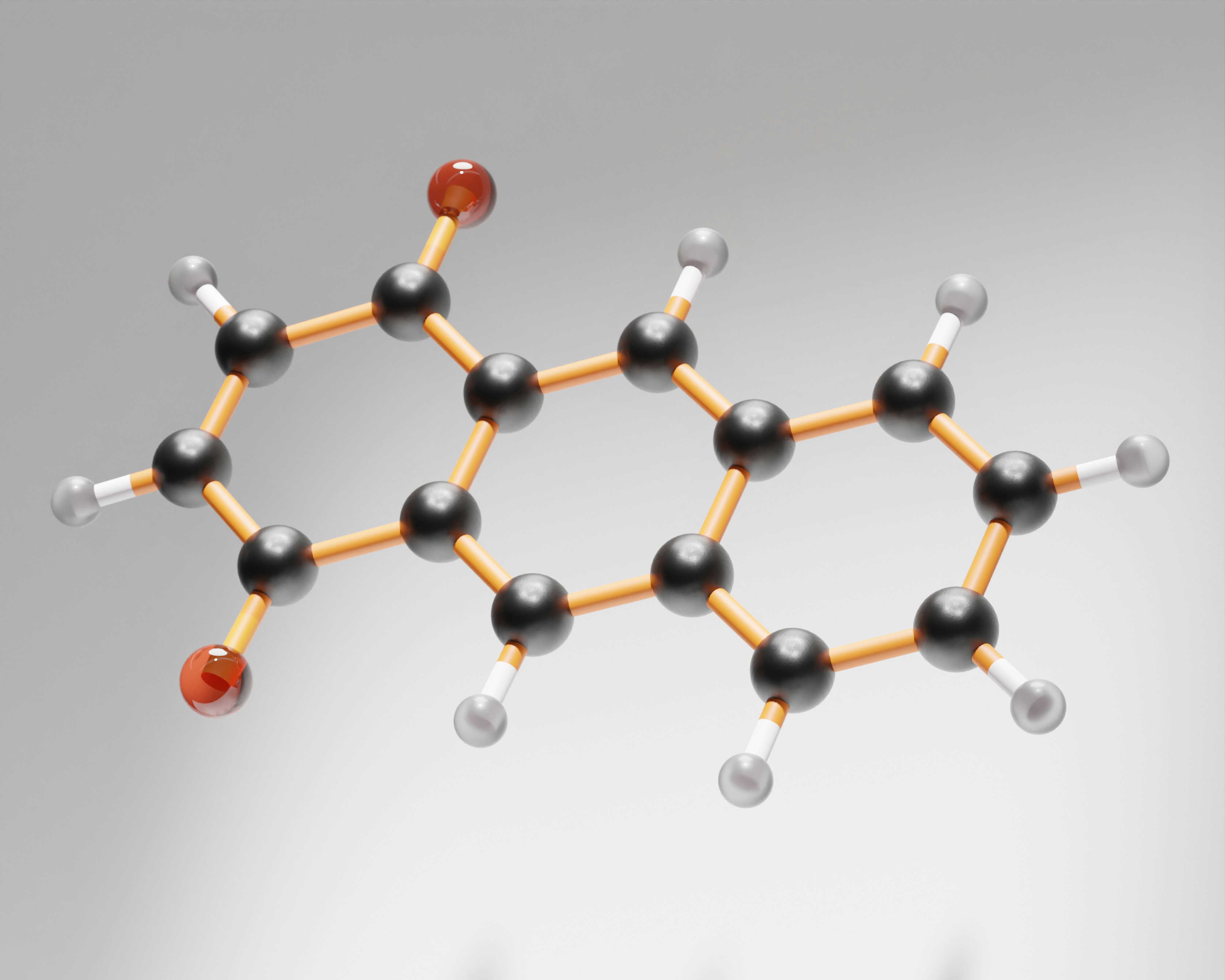
At the molecular level, this cannabinoid is the natural, acidic precursor produced by the living cannabis plant.Its structure carries a carboxyl group that makes it chemically distinct from its neutral cousin; this is why it is often referred to as an acidic precursor. Chemically it is commonly reported as C22H30O4 with a molar mass near 358.5 g·mol⁻¹, and it is more polar and less volatile than the decarboxylated form. These physical traits influence how it behaves in extracts, tinctures and fresh-plant preparations, where temperature and solvent choice affect recovery and stability.
| Property | snapshot |
|---|---|
| Chemical formula | C22H30O4 |
| Molar mass | ≈358.5 g·mol⁻¹ |
| Thermal behavior | Decarboxylates to THC on heating |
| Psychoactivity | Non-psychoactive (as-is) |
Conversion to the neutral form is a simple but crucial chemical transformation: decarboxylation.Heating removes the carboxyl group as CO2 and yields the psychoactive molecule; the rate depends on temperature, time and medium.In practice this means low-temperature, long-duration protocols preserve terpenes but slowly convert the acid, while higher temperatures produce faster conversion but risk volatilizing aromatic compounds. Common real-world pathways include smoking or vaporizing (instant, high heat), oven decarboxylation (controlled, slower) and even natural aging or light exposure (very slow). Examples of approaches include:
- Low & slow – lower temp, longer time to protect terpenes and yield partial conversion.
- Flash heat – rapid conversion typical of combustion or vaping.
- Ambient change – aging and light can cause gradual loss without full activation.
Biologically, this molecule does not generate the characteristic “high” as it binds poorly to CB1 receptors and does not readily cross the blood-brain barrier in its acidic form. Instead,preclinical studies point to a mosaic of interactions: modulation of TRP channels,activation of nuclear receptors such as PPARγ,and influence on inflammatory enzymes like COX. These pathways may explain reported anti-inflammatory, antiemetic and neuroprotective effects observed in cell and animal work. However, human evidence is sparse and elaborate by in vivo conversion, matrix effects, and the so-called entourage effect, so mechanistic insights remain provisional pending controlled clinical studies.

Choosing and Using THCA Safely: Product Quality, Lab Testing, Consumption methods and Practical Recommendations
Quality starts at the source: pick brands that publish recent Certificates of Analysis (COAs) from autonomous labs and display harvest dates, cannabinoid profiles, and extraction methods. A trustworthy COA shoudl show not only THCA potency but also checks for pesticides, heavy metals, residual solvents and microbial contaminants. When shopping, favor products with clear ingredient lists, batch numbers, and transparent supply chains – if a label reads “proprietary blend” or the vendor won’t share test results, walk away.
Know what to inspect on a report: look for batch-specific potency, terpene breakdown, and safety screens for contaminants.Useful items to verify include:
- potency (THCA/THC/CBD percentages)
- Pesticide and heavy metal panels
- Residual solvents for concentrates
- Microbial/mycotoxin screening for plant material
How you consume matters because THCA is heat-sensitive – it converts into THC when decarboxylated. To preserve raw THCA, prefer cold methods such as tinctures formulated without heating, topical preparations, cold-infused oils, or consuming fresh/juiced flowers where legal and appropriate. if your goal is psychoactive effects, controlled decarboxylation (or simply smoking/vaping at higher temperatures) will convert THCA to THC; if you want to avoid that, avoid high heat. Start with small amounts, track effects, and be aware of possible interactions with prescription medications – when in doubt, consult a healthcare professional.
Practical checklist for safe use:
- Start low, go slow: small doses and gradual increases.
- Store securely: cool, dark, child- and pet-proof containers.
- Match format to purpose: choose topical for localized relief, tincture for measured dosing, and raw/cold formats for non-psychoactive THCA.
- Keep records: note brand, batch, dose and effects to find what reliably works.
| Product Type | Heat Exposure | best For |
|---|---|---|
| Cold Tincture | None | Preserving THCA; precise dosing |
| Topical | None | Localized effects; non-psychoactive |
| Vape (low-temp) | Minimal | Quick onset; partial THCA retention |
| Smoking/Dabbing | High | Immediate psychoactive effects (THC) |


Dosing, Harm Reduction and Future Research Priorities for Responsible THCA Use
Start low, go slow is more than a slogan – it’s the bedrock for responsible THCA experimentation. Because controlled clinical data are sparse, dosing should be conservative and individualized: begin with the smallest perceptible amount and wait sufficiently long to assess effects before increasing. Metabolism, body composition, and the route of administration (raw flower, tincture, capsule, or infused edible) all influence onset and duration, so patience is essential-especially with oral forms that can take hours to peak.
Below is a compact dosing reference compiled from anecdotal reports and early observational data to help orient readers while emphasizing uncertainty. Treat these figures as illustrative, not prescriptive, and always prioritize lab-tested, clearly labeled products.
| Form | Typical Beginner Range | Notes |
|---|---|---|
| Raw flower (chewed/juiced) | Very low – trace to 5 mg | Fast local effect, minimal decarboxylation |
| Tincture / Sublingual | 2-10 mg | Faster onset than edibles; easier titration |
| Edible / capsule | 5-25 mg | Slow onset; wait 2-4 hours before redosing |
Harm reduction should guide every choice. Prioritize products with third‑party lab results showing THCA concentration, solvents, pesticides, and microbial testing. Never combine THCA with alcohol or sedatives until you know your individual response. If you have chronic conditions or take prescription medications,consult a healthcare professional familiar with cannabinoid pharmacology; interactions can be meaningful. Avoid use during pregnancy or breastfeeding and abstain from operating vehicles or heavy machinery if you feel altered.
- Safe sourcing: buy from reputable vendors with transparent COAs.
- Label literacy: pay attention to serving size, THCA vs. THC, and potential decarboxylation on heating.
- Personal tracking: keep a brief log of dose, route, onset, and effects to refine your regimen.
To move from cautious use to evidence‑based guidance, research must prioritize pharmacokinetics of THCA in humans, standardized dose-response trials, long‑term safety surveillance, and reliable analytical methods for distinguishing THCA from THC in products and biological samples. Studies on delivery technologies that preserve THCA’s native form, interaction profiles with common medications, and population‑level epidemiology (including vulnerable groups) will be especially valuable. Until those data arrive, the combination of conservative dosing, rigorous product selection, and meaningful clinical inquiry will remain the most responsible path forward.
Final Thoughts
As we’ve unlocked the basics of THCA-what it is,how it differs from THC,and the potential benefits and drawbacks-you now have a clearer map of this cannabinoid’s terrain. Whether viewed as a promising compound under study or a substance with legal and health considerations, THCA sits at the intersection of science, policy, and personal choice.
The takeaways are straightforward: the existing research hints at interesting possibilities but is not yet definitive; reported benefits must be weighed against side effects,unknowns,and the legal status in your area. If THCA is something you’re considering for health or recreational use, treat the decision like any other health choice: gather credible details, ask questions, and consult a healthcare professional familiar with cannabinoids.
THCA is another chapter in the evolving story of cannabis science-one that invites curiosity, caution, and continued study. Keep an eye on new research, respect local laws, and make choices that reflect your circumstances and values.