



Like a quiet sketch tucked behind a finished painting, THCA has been hiding in plain sight-an acidic precursor to the more familiar THC, present in fresh cannabis but transformed by heat into something different. For some, it’s a scientific curiosity; for others, a promising compound wrapped in anecdote and early-stage study. The conversation around THCA is growing,but it remains a mix of fact,hopeful reports,regulatory puzzles,and unanswered questions.
This article,”THCA Unveiled: A Balanced intro to Pros & Cons,” aims to lift that sketch into the light without exaggeration.We’ll outline what THCA is and how it differs from THC, summarize the emerging research and common claims, and weigh potential benefits against risks and legal considerations. Wherever evidence is thin, we’ll note the gaps rather than fill them with assumption.
Read on for a clear, even-handed look at THCA-what we certainly know, what we don’t, and the questions worth following as science and policy evolve.
Dosing, Side Effects, and Interactions: Clear Guidance on starting Doses, Red Flags, and Drug Interactions
Start low and go slow. Because THCA is non‑intoxicating in its raw form but can convert to THC when heated, beginning with a conservative serving helps you find the edge without overshooting. A reasonable initial target for many adults using a tincture or edible is 2-5 mg of THCA, then wait and reassess before adding more. For raw juicing or fresh flower use the dosing is more variable-think in terms of small, repeatable servings rather than large one‑offs.
Timing matters: sublingual or tincture forms can show effects within 15-45 minutes, while swallowed edibles typically take 60-180 minutes to peak and last longer. If you plan to vape or apply heat, remember decarboxylation converts THCA into THC – expect faster onset and potential psychoactive effects, so reduce the dose accordingly. Always allow at least two hours after an edible dose before re‑dosing.
Watch for red flags and common side effects:
- Allergic or hypersensitivity reactions – rash, swelling, breathing difficulty; seek immediate care.
- Cardiovascular signs – rapid heartbeat, dizziness, lightheadedness; stop use and consult a clinician.
- Gastrointestinal upset – nausea or diarrhea with new products or high doses.
- Psychoactive conversion – unexpected anxiety, paranoia, or impaired coordination if THCA is heated into THC.
Drug interactions to keep on your radar: THCA and cannabinoids can affect liver enzymes (notably CYP3A4 and CYP2C9), so they may alter blood levels of medications like warfarin, certain antiepileptics, immunosuppressants, and sedatives. Avoid mixing with heavy alcohol or CNS depressants until you know how you respond. When in doubt, consult your pharmacist or prescriber.
| Form | Sample start | Onset (approx.) |
|---|---|---|
| Tincture (sublingual) | 2-5 mg | 15-45 min |
| Edible | 2-5 mg | 60-180 min |
| Raw juice | small handful of leaves | 15-60 min |
| Vaporized (decarbed) | 1-2 small inhalations | 5-15 min |

quality Assurance and Lab Testing: How to Read Certificates of Analysis and Choose Reliable THCA Products
A lab report can be the difference between guesswork and clarity when evaluating THCA products. A legitimate Certificate of Analysis (CoA) will show a batch-specific breakdown of cannabinoids, including total THCA, converted THC, and minor cannabinoids, alongside screens for pesticides, heavy metals, residual solvents, and microbial contaminants. Seek CoAs from independent, third-party labs – not internal “in-house” results – and note the date and batch number to ensure the report actually matches the product in hand.
When you open a CoA, focus on a few clear checkpoints that separate reliable brands from marketing spin:
- Cannabinoid profile – Look for THCA percentage and how ”total THC” is reported (post-conversion calculations matter).
- Contaminant screens – Pesticides, solvents, heavy metals, and microbial results should be listed with pass/fail indicators and limits of detection (LOD/LOQ).
- Lab accreditation – ISO or state accreditation increases confidence in methods and results.
- Match to product – Batch codes on the CoA should match the product packaging or QR code.
Numbers can be dry, but knowing whether the THCA number is listed as a percent, mg/g, or a calculated “total THC” will help you interpret potency and legality.
| CoA Section | Why it matters |
|---|---|
| Cannabinoid profile | Shows potency, THCA vs THC balance and legal thresholds. |
| Contaminants | Confirms safety regarding pesticides, solvents, microbes. |
| terpene analysis | Gives clues about aroma and entourage effects. |
| Lab accreditation & dates | Verifies credibility and that results are current for the batch. |
Choosing a reliable THCA product is part science,part due diligence. Favor brands that publish batch-specific CoAs, use QR codes on packaging for instant verification, and are transparent about sourcing and extraction methods. If a seller cannot or will not produce a current CoA,walk away – trust but verify is a useful rule of thumb. A little scrutiny up front saves you from inconsistent potency and hidden impurities later.
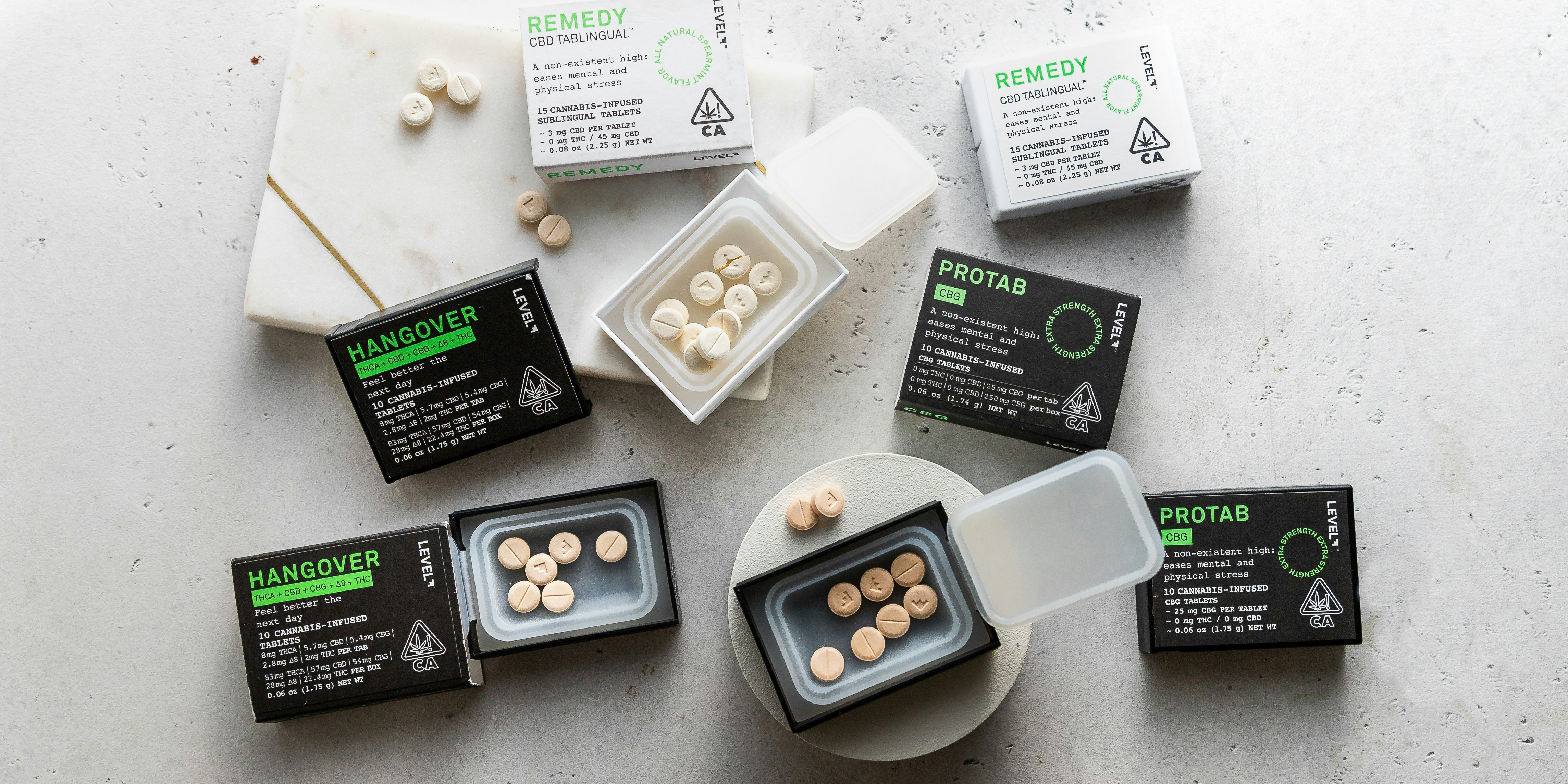
legal Status, Storage, and When to consult a Healthcare professional: Practical Next Steps for Responsible Use
Legal realities around THCA are deliberately uneven: in some jurisdictions THCA extracted from hemp sits in a gray zone, while in others any cannabinoid derived from Cannabis sativa is tightly regulated. Remember that THCA itself is non‑intoxicating, but becomes THC through heat (decarboxylation), which is often the legal fulcrum. Before acquiring or sharing THCA products, check local statutes and retailer compliance - possession limits, labeling rules, and source (hemp vs. marijuana) all matter. Treat legality as fluid: court rulings and regulatory guidance can change how THCA is classified overnight.
Proper storage preserves potency and reduces unintended risks. Keep products in a cool, dark, airtight container to slow decarboxylation and terpene loss; avoid prolonged exposure to light, heat, and oxygen. Use childproof packaging, clearly label contents and concentration, and store separately from food or medication to prevent accidental ingestion.For concentrates and tinctures, a small amber glass bottle in a dry cupboard is often ideal; for floral material, consider humidity packs to maintain freshness without promoting mold.
- Temperature: aim for 15-21°C (59-70°F).
- Light: store away from sunlight and UV sources.
- Moisture: keep relative humidity around 55-62% for flower.
- Safety: label,lock,and separate from children and pets.
When to consult a healthcare professional: seek medical advice if you are pregnant or breastfeeding, have cardiovascular disease, epilepsy, a psychiatric history, or are taking prescription medications (especially blood thinners, anticonvulsants, or drugs metabolized by CYP enzymes). If you experiance unexpected side effects - severe dizziness, chest pain, significant mood changes, or allergic reactions – stop use and contact a clinician promptly. the short table below can help clarify whom to call for specific concerns.
| Who | Why |
|---|---|
| Primary care provider | Medication interactions or chronic condition guidance |
| Cardiologist | Pre‑existing heart conditions or chest symptoms |
| Obstetrician | Pregnancy or breastfeeding questions |
The Way Forward
As the sun sets on a complex and evolving field, THCA emerges not as a miracle cure or a menace, but as another chapter in the long story of plants, people, and possibility. We’ve traced its chemical identity, weighed the promising anecdotes alongside the gaps in clinical proof, and flagged the practical considerations-legality, product quality, dosing, and individual circumstance-that should guide any curious consumer.
If you’re intrigued,proceed with thoughtful curiosity: read primary sources,scrutinize lab reports,choose reputable suppliers,and talk with a healthcare professional who understands your medical history and local regulations. For researchers and regulators, THCA is a reminder that nuance and rigorous study must keep pace with public interest.
Balanced knowlege doesn’t eliminate uncertainty,but it gives you the tools to navigate it. Keep asking questions, stay informed, and let evidence – not hype - shape your next step.

