


the cannabis plant is full of quiet chemistry – compounds that sit dormant until light, time, or human curiosity nudges them into the spotlight. One of the most intriguing of these is THCA, a non‑intoxicating acid found abundantly in fresh cannabis flower. It doesn’t produce the iconic “high” associated with THC, yet it plays a pivotal biochemical role and has captured the attention of researchers, clinicians, and curious consumers alike.
In this article we’ll pull back the curtain on THCA: what it is at a molecular level, how it interacts with the body’s endocannabinoid system and other biological pathways, and why its effects differ from those of its better‑known cousin, THC. We’ll separate emerging scientific findings from anecdote, sketch the range of subjective experiences people report, and survey the legal and safety questions that surround its use today.
Whether you’re a scientist tracing cannabinoid mechanisms, a clinician weighing therapeutic potential, or a reader wondering what it feels like to encounter cannabis in its raw chemistry, this introduction will set the stage for a clear, balanced exploration of THCA – the compound that refuses to be defined only by its more famous offspring.
Understanding THCA: Chemical Identity, Sources, and How It Differs from THC
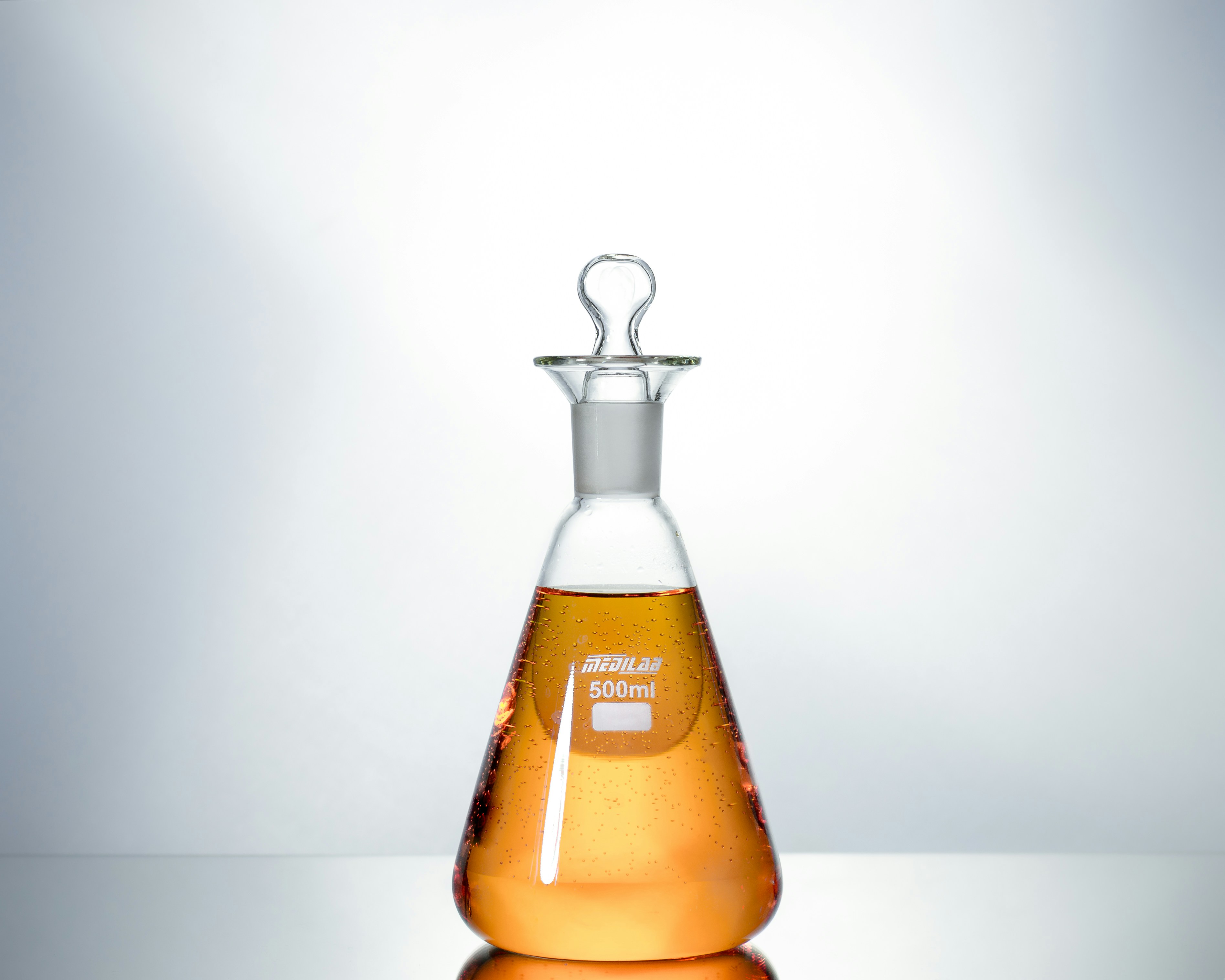
THCA is the acidic precursor to the cannabinoid most people recognize as THC. Chemically, it carries an extra carboxyl group (-COOH) that keeps it in a different shape and charge state than its decarboxylated form. In living cannabis,this molecule is synthesized as part of the plant’s natural chemistry,accumulating in sticky glandular trichomes that sheen the surface of fresh buds and sugar leaves. Because of that extra acid group, its interactions with the body’s cannabinoid system are distinct – it’s not known to produce the classic intoxication associated with Δ9‑THC.
The plant is the primary reservoir: fresh, raw flowers and unheated extracts are where you’ll find the highest THCA concentrations. Producers who craft “live” products (for example, live resin or cold-pressed extracts) often preserve it deliberately, since heat will convert it into THC. Common sources include:
- raw cannabis flower – highest THCA before drying/heating.
- Cold extracts / live resins – preserved by low‑temperature processing.
- Juiced or raw preparations – used by some for non‑intoxicating consumption.
| property | THCA | THC (Δ9) |
|---|---|---|
| Chemical form | Acidic precursor | Neutral cannabinoid |
| Psychoactivity | Non‑intoxicating (generally) | Intoxicating – produces the “high” |
| Where found | Fresh plant, low‑heat extracts | Heated/dried products, smoked or vaped flower |
Understanding the difference is practical: decarboxylation – triggered by heat, UV light or prolonged storage – strips off the carboxyl group and converts THCA into active THC. That’s why eating raw cannabis won’t typically intoxicate you, but heating the same material will. For users and makers, recognizing that THCA and THC are chemically related but functionally different helps explain lab results, storage recommendations, and why some products aim to preserve the acidic form for its unique profile rather than for a psychoactive affect.

How THCA Feels: Reported Effects, Onset, Duration, and Factors That Shape the Experience
People describe sensations tied to THCA as noticeably different from the classic “high” people associate with heated cannabis. In its raw, unheated form THCA is widely considered non-intoxicating, and many users report a light, clear-headed calm – a sort of background stillness rather than euphoria. When heat enters the picture, decarboxylation converts THCA to THC, and the experience can shift quickly toward the familiar psychoactive effects; understanding that distinction is the key to anticipating how a product will feel.
Onset and duration are shaped chiefly by how THCA is consumed. Below is a simple comparison to help visualize typical timelines – note that individual results vary widely depending on dose and product:
| Route | Typical onset | Typical Duration | Notes |
|---|---|---|---|
| Raw juice / fresh plant | 5-30 minutes | 1-4 hours | Mostly THCA; subtle,non-intoxicating sensations |
| Sublingual tincture (unheated) | 5-20 minutes | 2-5 hours | Faster absorption; avoids digestive first-pass |
| Vaporizing or smoking (heated) | Immediate-10 minutes | 1-3 hours | THCA becomes THC – psychoactive effects possible |
| Edibles (baked/decoked) | 30-120 minutes | 4-8+ hours | delayed onset; more variable and longer-lasting |
Several variables sculpt what someone ultimately feels.Key influencers include:
- Dose: Larger amounts increase intensity and duration.
- Product form: Raw versus heated products behave very differently.
- Entourage: Other cannabinoids and terpenes modify nuance and character.
- Individual biology: Metabolism, tolerance, and body composition all play a role.
- Set and setting: Expectation and surroundings can amplify or temper effects.
Safety Legal and Drug Testing Considerations: Risks, Interactions, and Harm Reduction
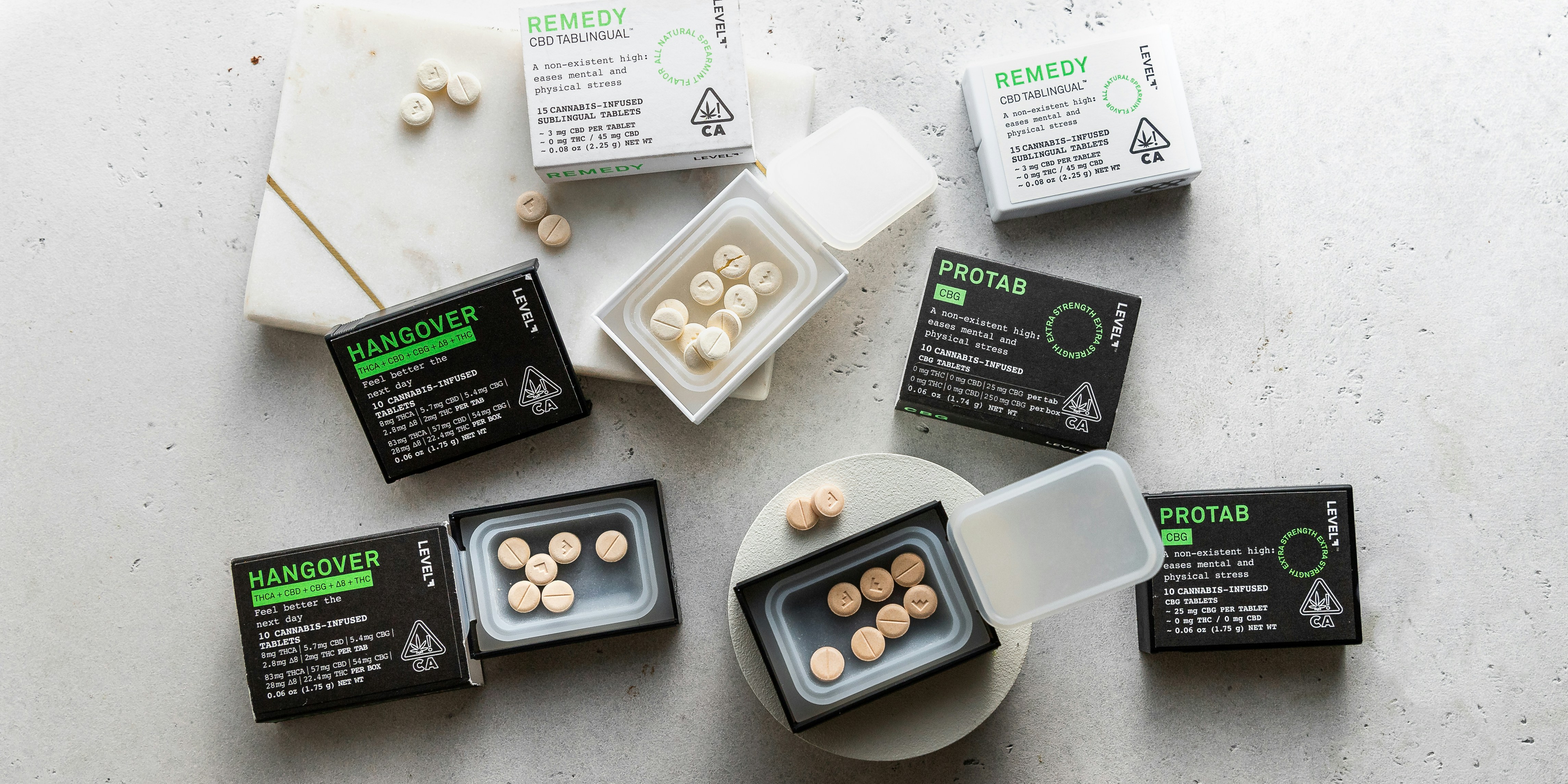
Think of THCA as the shy sibling of THC: in its raw form it doesn’t produce the classic “high,” but that changes when heat enters the picture.Heating, vaping, or baking converts THCA into psychoactive THC, which brings the familiar intoxicating effects and the associated risks – impaired coordination, altered judgment, anxiety, or a bad reaction in sensitive individuals. Product purity matters as much as potency: untested extracts or flower can carry pesticides, solvents, or heavy metals that add health risk beyond cannabinoids.People who are pregnant, breastfeeding, elderly, or immunocompromised should exercise extra caution or avoid use entirely.
Interactions with medications and other substances are not theoretical. Cannabinoids can affect liver enzymes (notably CYP450 isoforms), changing how drugs like blood thinners, certain antidepressants, or anticonvulsants behave. Combining cannabinoids with alcohol,benzodiazepines,or opioids can increase sedation and respiratory risk. on the testing front, standard drug screens look for THC metabolites (e.g.,THC-COOH) – not THCA specifically – but if THCA is decarboxylated (by heat) or or else converted to THC prior to or after ingestion,a positive result is absolutely possible. Keep these key points in mind:
- Drug testing: Heated THCA → THC can lead to positive urine tests.
- Medication interactions: Check for CYP450 interactions and avoid combining with sedatives.
- Safety first: Never drive or operate heavy machinery while impaired.
- Product verification: Prefer lab-tested products with clear COAs (Certificates of Analysis).
| Form | Intoxication Risk | Drug Test Risk | Common use |
|---|---|---|---|
| Raw THCA | Low (unless heated) | Low if not converted | Smoothies, juicing, tinctures |
| Decarbed THCA → THC | high | High | Smoking, vaping, edibles |
Legal frameworks are a patchwork: thresholds for allowable THC content, rules about hemp versus marijuana, and transport laws vary widely by jurisdiction. Traveling with products that contain THCA or converted THC can lead to seizures, fines, or prosecution even if local possession is tolerated. When safety or legality is a concern, the safest steps are to buy verified products, start with very small amounts, wait long enough to gauge effects, and consult a healthcare professional if taking other medications or if there’s any uncertainty. In case of severe reactions – extreme nausea,panic,chest pain,or breathing difficulty – seek medical help promptly.
The Way Forward
We began by pulling back the curtain on THCA – a molecule that lives quietly in the plant until chemistry and time invite it into the spotlight – and traced the ways it interacts with biology, perception, and culture. Whether you’re curious about its biochemical behavior, the subtle ways it can shape sensation, or the white space where science still needs to write its next chapters, the picture that emerges is one of nuance rather than absolutes.
If there’s a single takeaway, it’s that THCA resists simple definitions: its effects depend on chemistry, context, and the individual experiencing them. Laws, lab results, and lived experience all matter, and ongoing research will continue to refine our understanding. Stay informed from reputable sources, consider local regulations, and, when in doubt, seek professional guidance before drawing personal conclusions.
Curiosity is the best companion on this unfolding journey – keep asking questions, follow the evidence, and let the story of THCA continue to reveal itself, one careful study and thoughtful experience at a time.

