


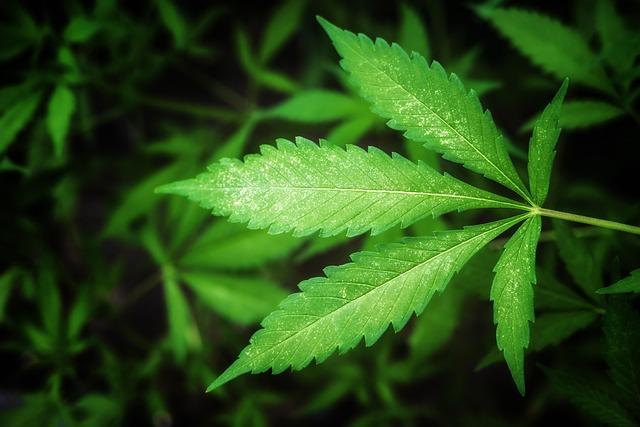
They’re chemical siblings with a single, almost invisible difference that changes everything: one calms the mind and body without producing a high, the other is famous for that unmistakable psychoactive lift. THCA and THC live side by side in the cannabis plant, and understanding how a tiny molecular change shapes effects, legality, and how people use them is the key to making informed choices.
This guide unravels that distinction. You’ll get a clear description of the chemistry behind THCA and THC, how heat and time transform one into the other, what each does (and doesn’t) do in the body, how they’re regulated and tested, and practical considerations for storage, consumption methods, and safety. Whether you’re simply curious, researching therapeutic options, or navigating legal questions, this article maps the territory so you can see how those two closely related compounds lead to very different experiences and outcomes.

Understanding THCA and THC: Chemical Differences, Natural Formation and the Decarboxylation Process
THCA carries an extra carboxyl group (-COOH) that makes it chemically distinct from THC. That small structural addition changes polarity and receptor interactions: THCA is larger, more acidic and does not readily cross the blood-brain barrier, which is why it lacks the classic intoxicating effects of THC. Chemically speaking, THCA is typically represented as C22H30O4 while Δ9‑THC is C21H30O2 – the loss of CO2 during conversion is the main difference that transforms an inert precursor into an active cannabinoid.
| Property | THCA | THC |
|---|---|---|
| Chemical formula | C22H30O4 | C21H30O2 |
| Psychoactivity | Non-intoxicating | Intoxicating |
| Typical presence | Fresh/cured plant | After heat/time |
In the plant, cannabinoids start as CBGA (cannabigerolic acid) and are converted by specific synthase enzymes into the acidic forms – THCA synthase produces THCA in glandular trichomes. Freshly harvested flowers are rich in THCA; drying and curing slowly change the chemistry but do not fully convert THCA into THC without heat. Because THCA does not strongly bind CB1 receptors,it offers a different biological profile that researchers are still unpacking.
Decarboxylation is a simple chemical reaction: heat, light or long-term storage breaks the carboxyl bond and releases CO2, producing Δ9‑THC. Typical home decarboxylation temperatures are around 105-120°C (220-250°F) for 30-60 minutes, though lower-and-slower methods preserve delicate terpenes. Excessive heat or prolonged exposure can oxidize THC into CBN, reducing potency and changing effects. For practical use, remember the lab conversion frequently enough cited: THCA × 0.877 ≈ potential THC after full decarboxylation.
Understanding these differences matters for testing, labeling and consumption. A few practical tips:
- To activate edibles, decarb plant material before infusion; raw material will mostly contain THCA.
- Store cannabis cool and dark to slow natural decarboxylation and preserve terpenes.
- Use gentle heat to convert THCA without degrading THC into CBN if you want stronger psychoactive effects.

Effects and safety Profiles: Psychoactivity, Side Effects and Drug Interactions Explained
When you compare raw plant chemistry to the smoked or baked product, the difference is striking. THC is the molecule responsible for the classic “high” because it readily activates CB1 receptors in the brain after decarboxylation (heat).THCA, by contrast, is present in fresh cannabis and is largely non-psychoactive: it has weak affinity for central CB1 sites and – unless converted by heat – typically won’t produce intoxication. In practice this means THCA-rich preparations (juices, tinctures made without heating) are less likely to alter perception, whereas THC-dominant forms alter mood, time perception and cognition.
Side effect profiles follow the same split: THC can cause acute effects such as anxiety, increased heart rate, short-term memory disruption and impaired motor coordination, which are dose-dependent and more common in inexperienced users. THCA is generally tolerated better in anecdotal and early observational reports, but evidence is limited. Commonly reported issues to watch for include:
- Anxiety or paranoia: more linked to THC, especially at higher doses.
- Cardiovascular effects: THC can raise heart rate; THCA’s cardiac effects are less well defined.
- Gastrointestinal upset: mild nausea or stomach discomfort has been reported with raw extracts.
- Sedation and cognitive changes: primarily a THC concern, particularly when combined with alcohol or sedatives.
Drug interactions deserve close attention. THC is metabolized by CYP enzymes (notably CYP2C9 and CYP3A4) and can alter the metabolism of warfarin, antiepileptics and some antidepressants; THCA’s metabolic footprint is less characterized but may still influence or compete for the same pathways. Both compounds can potentiate central nervous system depression when mixed with alcohol, benzodiazepines or opioids. In short: if you take prescription medications, especially those with narrow therapeutic windows, consult a clinician before using THC- or THCA-containing products.
| Feature | THCA | THC |
|---|---|---|
| Psychoactivity | Minimal when raw | Pronounced after heat |
| Common side effects | Mild GI, rare discomfort | Anxiety, tachycardia, sedation |
| Drug interactions | Limited data; possible CYP impact | Known CYP-mediated interactions |

legal Status, Testing and Travel Considerations: Practical Advice for Patients and Consumers
Laws and enforcement around THCA and THC are a patchwork quilt-stitched with state rules, federal definitions and evolving case law.At the federal level in the U.S., hemp is defined by its delta‑9 THC concentration (≤0.3% on a dry weight basis), not by THCA specifically; that means a product high in THCA can still be lawful if it meets the hemp threshold, but it can become illegal the moment it’s decarboxylated into delta‑9 THC. Heat changes everything: smoking, vaping or baking converts THCA into psychoactive THC, which can alter legal exposure and enforcement risk.
When it comes to testing, most workplace and forensic screens detect THC metabolites (like THC‑COOH), not THCA directly. Though, consuming THCA-rich products that are heated will produce the same metabolites as THC and can trigger a positive result.Practical steps to reduce surprises include:
- Avoid heated routes of THCA consumption before drug screens-edibles or tinctures made from decarboxylated material are high risk.
- Keep lab certificates (COAs) showing cannabinoid breakdown and delta‑9 levels for any purchased product.
- Disclose medical use when appropriate and ask about alternative testing or accommodations.
Travel demands extra caution. Domestic travel rules differ from international ones: TSA follows federal law (hemp OK if compliant), airlines may have stricter policies, and many countries classify any cannabis compound as illegal. A simple rule of thumb: the farther you go, the greater the scrutiny.The table below gives a speedy risk snapshot:
| Scenario | Risk Level | Recommended Action |
|---|---|---|
| In‑state car travel | Low-Medium | Carry receipts/COA; avoid open consumption |
| Domestic air travel | Medium-High | Check airline policy; carry compliant hemp COA |
| International travel | High | Do not travel with THCA/THC unless explicitly allowed |
Bottom line: treat THCA like a sensitive legal and testing variable. Document purchases, prefer non‑heated management if avoiding psychoactive conversion, and always verify local and destination laws before traveling. If in doubt,consult a learned local attorney or your healthcare provider for context specific to your situation.
To Wrap It Up
Like two chapters of the same story, THCA and THC reveal different sides of the cannabis plant: THCA as the quiet, raw form with potential therapeutic promise, and THC as the activated molecule that produces the familiar psychoactive effects once heat unlocks it. Understanding how they differ-chemically, legally and experientially-lets consumers, patients and researchers make clearer, safer choices rather than relying on assumptions or labels alone.
As research and regulations continue to evolve,approaching cannabis with curiosity and caution is wise: read product lab reports,ask clinicians or pharmacists when in doubt,and follow local laws. Whether your interest is medicinal, recreational or scientific, recognizing the transformation from THCA to THC is a small but crucial step toward using the plant more intentionally.