


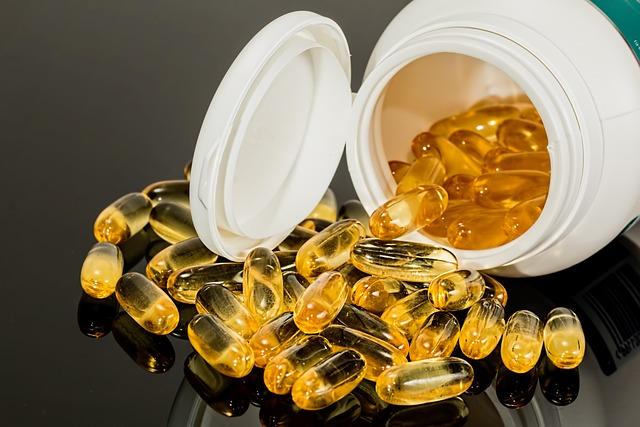
At a time when teh wellness aisle keeps borrowing from the cannabis plant, THCa has slipped into product labels and conversation like a quiet newcomer with a loud résumé. Chemically known as tetrahydrocannabinolic acid, THCa is the raw precursor to THC that-until transformed by heat-doesn’t produce the familiar psychoactive effects associated with cannabis.That scientific nuance hasn’t stopped a growing number of supplements, tinctures, and topicals from touting THCa as a must-try for modern self-care.
This article takes a clear-eyed, balanced look at THCa wellness supplements.We’ll separate what the current science actually supports from what marketing suggests, outline safety and legal considerations, and explain how quality, sourcing, and lab testing shape what’s on the label. Expect neither cheerleading nor alarmism: just a practical guide to help you decide whether THCa belongs in your routine-and what questions to ask before you buy.

Understanding THCa and How It Works in the Body: Science, Potential Benefits, and Limitations
In the raw cannabis plant, THCa exists as the non-psychoactive acidic precursor to THC.It carries an extra carboxyl group that prevents it from producing the typical “high” associated with decarboxylated THC. Biologically,THCa appears to act through more than just the classical cannabinoid receptors – laboratory studies point to interactions with ion channels (like TRP receptors),inflammatory pathways,and nuclear receptors that regulate gene expression. Because it doesn’t readily bind to CB1 in the brain, its effects tend to be peripheral and subtle rather than intoxicating.
Early research and user reports suggest a handful of promising applications, but the evidence is mostly preclinical or anecdotal. Potential effects include:
- Anti-inflammatory: Animal and cell studies show reduced inflammatory markers, wich could translate to relief for some chronic conditions.
- Neuroprotective: Lab models indicate thca may protect neurons and reduce excitotoxic damage.
- Anti-emetic and appetite modulation: Some reports suggest reduced nausea and modest appetite effects without intoxication.
- Pain modulation: Early findings point to analgesic pathways distinct from THC’s psychoactive route.
Those possibilities come with important caveats. Human clinical data are scarce, product stability is an issue (THCa can convert to THC when exposed to heat), and dosing standards are not established. Quality control is uneven across the market,so lab-verified products matter. A quick snapshot comparison helps clarify differences:
| Compound | Psychoactivity | Evidence Level |
|---|---|---|
| THCa | Non-psychoactive (unless decarboxylated) | Preclinical / anecdotal |
| THC | Psychoactive | Moderate clinical evidence for specific uses |
| CBD | Non-psychoactive | Growing clinical evidence |
If you’re considering THCa products, look for cold-extracted or raw formulations with third-party testing, store them away from heat and light, and adopt a conservative dosing approach – start low, go slow. Check legal status in your area and discuss potential interactions with medications with a healthcare professional. the science is intriguing, but caution and quality control remain essential while clinical research catches up.

Practical Dosing and Delivery Strategies for Different Wellness Goals
Start low, go slow is the simplest, safest rule to follow when experimenting with THCa.Because individual sensitivity varies and product potency can be inconsistent, begin with a low amount-often just a fraction of a milligram for microdosing or 1-5 mg for an initial low dose-and wait long enough to observe effects before increasing. Keep a brief journal: note dose, delivery method, time to onset, and subjective outcome. Small, gradual increases every few days give you meaningful feedback without overshooting the sweet spot.
Choose the delivery to match the outcome you want.Sublingual tinctures and vaporizers deliver effects faster and are useful when you need quick, controllable relief; capsules and edibles offer longer, steadier exposure for overnight or all-day support; topicals target localized discomfort without systemic effects. Consider these practical points:
- Sublingual: fast onset (15-30 min), good for acute needs and precise microdosing.
- Edible/capsule: slower onset (45-120 min), longer duration-better for sleep or extended symptom management.
- Inhalation: immediate effects, shorter duration-best for episodic symptoms but harder to dose consistently.
- Topical: localized use; may complement systemic dosing without increasing plasma levels.
| Wellness Goal | Approx. per-serving THCa | Preferred Delivery |
|---|---|---|
| Daily focus / microdosing | 0.5-2 mg | Sublingual / capsule |
| Sleep support | 5-15 mg | Edible / capsule (night) |
| Acute discomfort | 2-10 mg | Inhalation / tincture |
| Localized soreness | Topical strength varies | Topical cream / balm |
combine strategy with common-sense safety: avoid mixing THCa with alcohol or sedatives,be cautious if you take prescription medications,and allow multiple days at a stable dose to evaluate true effects. If variability in product labelling is a concern, favor suppliers with third-party testing or choose standardized formulations.Thoughtful titration,mindful timing,and matching delivery to your goal turn abstract options into a practical,personalized approach to THCa wellness.
Final thoughts
as with many emerging wellness trends, THCa supplements arrive with a mix of promise and unanswered questions. This review has aimed to lay out what the research, regulations, and user reports currently say: potential benefits for some consumers, variability in product quality, and important legal and safety considerations that circumscribe their use.
If you’re curious about trying THCa, approach it like any novel supplement – gather lab-tested product details, weigh risks and benefits in the context of your own health, and consult a learned healthcare professional. Stay attentive to evolving science and policy; today’s conclusions may be refined as more rigorous studies and clearer regulations appear.
Ultimately, THCa supplements sit at the intersection of curiosity and caution. They may offer an option for certain people, but they’re not a one-size-fits-all solution. A measured, informed approach will serve consumers best as the conversation around these compounds continues to develop.