


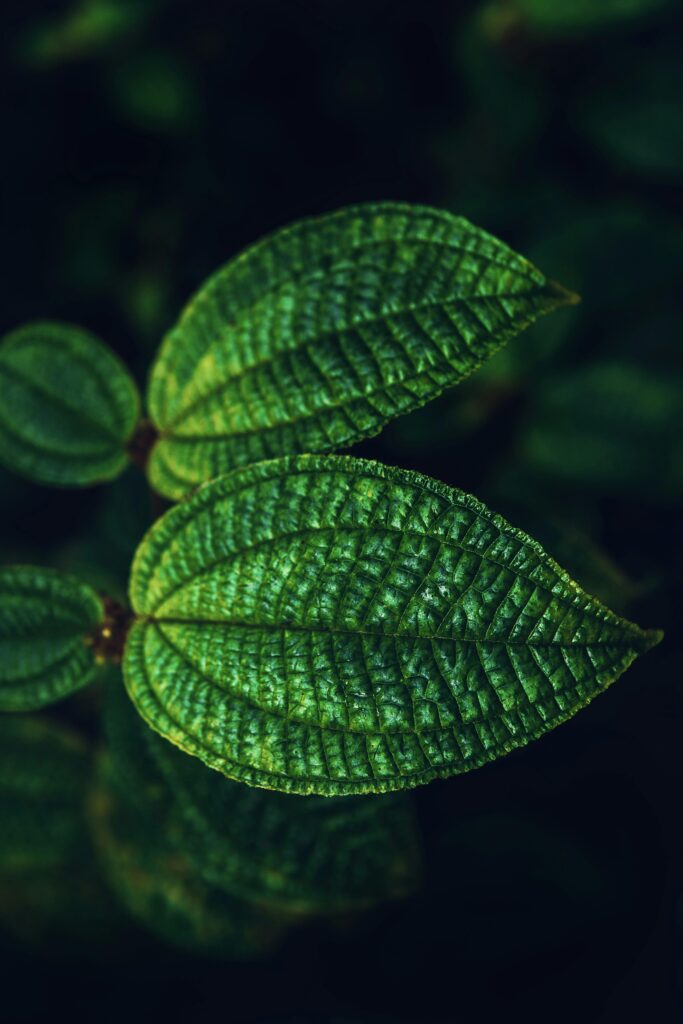
A quite green chemistry is unfolding at the intersection of botany adn wellbeing: THCA, the acidic precursor found in raw cannabis plants, is drawing attention not for a high but for its potential therapeutic qualities. This article lifts the veil on plant-based THCA therapy, tracing natural paths from seed and soil to contemporary conversations about symptom relief, inflammation, and gentle, plant-forward approaches to health. Expect a measured look – part botanical travelogue, part evidence review – that treats the plant as more then a compound and the compound as more than a promise.
We will explore where THCA lives in the plant, how it differs from its better-known cousin THC, and why some practitioners and patients favor raw or minimally processed preparations. Along the way we’ll separate early science and anecdote from settled fact, and we’ll map practical considerations – botanical sourcing, legal context, safety signals, and the research still needed to draw firmer conclusions. the aim is not to advocate a one-size-fits-all remedy but to illuminate options and unknowns so readers can weigh them with clarity.
If your curious about natural, plant-centered approaches to cannabinoid therapy – whether you’re a clinician, a caregiver, or simply someone exploring alternative paths – this introduction is your trailhead. Read on for a neutral, creative survey of THCA’s emerging role in contemporary herbal therapeutics, and what it might mean for the future of natural medicine.

Understanding THCA Biology: how Raw Cannabinoids Work, Differences from THC, and Clinical Implications
Found in the fresh, unheated plant, THCA is the acidic precursor to THC – a molecule with an extra carboxyl group that prevents it from binding strongly to the brain’s psychoactive CB1 receptors. In its raw state THCA is largely non-intoxicating; when exposed to heat, light, or time it undergoes decarboxylation and converts into the familiar, mind-altering THC. This simple chemical switch governs not just subjective effects but also how each compound interacts with the body at a molecular level.
Biologically, THCA behaves differently from THC. It shows low direct affinity for CB1/CB2 receptors and rather may exert action through alternate pathways – including transient receptor potential (TRP) channels, nuclear receptors like PPARs, and inflammatory signaling cascades. Preclinical studies and early clinical observations point to potential anti-inflammatory, neuroprotective, antiemetic, and antiproliferative effects, but human data remain limited. Clinically, that means THCA-rich therapies are intriguing for patients seeking non-intoxicating, plant-based options, while still requiring careful dosing and more rigorous trials.
Practical considerations shape how THCA is used: raw juicing or cold extraction preserves the acidic form; topicals and suppositories can deliver local benefits without systemic conversion; and any heating (including vaping, smoking, or baking) will produce THC and change both effect and legal status. Keep in mind storage (cool, dark conditions slow decarboxylation) and potential interactions when combining THCA-rich preparations with other medications. Below are concise points to watch for when evaluating THCA pathways:
- Non-psychoactive at baseline: THCA does not typically produce intoxication unless decarboxylated.
- Conversion risk: Heat and prolonged light exposure turn THCA into THC.
- Alternative mechanisms: Likely acts via TRP channels, PPARs, and anti-inflammatory pathways rather than CB1 potency.
- Evidence level: Promising preclinical signals, but human clinical data are still emerging.
| Feature | THCA | THC |
|---|---|---|
| Psychoactivity | Minimal/none | Pronounced |
| Molecular trait | Acidic (carboxyl group) | Neutral (decarboxylated) |
| Primary action | TRP/PPAR pathways (likely) | CB1/CB2 receptor agonism |
| clinical readiness | Experimental/early use | More established |


Choosing Quality and Safety: Lab tests, Extraction Methods, and Trusted Supplier Criteria
Trustworthy THCA begins in the lab: always look for a clear Certificate of Analysis (COA)potency (THCA, THC, CBD), terpene profiles and safety screens for pesticides, heavy metals, residual solvents and microbial contaminants. Transparent labs publish chromatograms or numeric results rather than vague pass/fail stamps, and reputable brands make those COAs easy to find so you can verify the product you’re buying.
How THCA is pulled from plant material matters as much as what the lab reports. Gentle, low‑heat techniques preserve the acid form of the cannabinoid; conversely, high temperature and aggressive solvents can convert THCA to THC or leave harmful residues. Common methods include supercritical CO2, ethanol, hydrocarbon extraction and solventless techniques like rosin pressing – each with tradeoffs in purity, terpene retention and safety. In practice, prioritize processes that emphasize temperature control and residual solvent testing to maintain natural profiles and avoid unwanted byproducts.
- Openness: Seed‑to‑sale tracking and visible COAs for every batch.
- Rigorous testing: Third‑party labs with full contaminant panels (not just potency).
- Responsible extraction: Low‑temperature methods and documented solvent removal.
- Good manufacturing practices (GMP): Clean facilities and clear labeling.
- Sustainability & ethics: organic or regenerative cultivation and fair supplier practices.
| Test | Why it matters | What to look for |
|---|---|---|
| Potency | Confirms THCA content | Match label ±5% |
| Residual solvents | Safety from extraction | Non‑detectable or below limits |
| Pesticides & Metals | Long‑term health risk | ND (not detected) |
When choosing a supplier, align lab evidence with product claims: a complete COA, clear extraction disclosure and trackable sourcing are the three simple guarantees of a high‑quality, safe THCA option. Red flags include missing batch numbers, vague testing or extraordinary potency claims with no supporting data. Combine curiosity with scrutiny – ask for documentation, compare extraction notes, and choose brands that treat transparency as part of their craft rather than an afterthought.


Preparing and Dosing Naturally: Delivery Options, Gentle Activation Techniques, and Practical Starting Protocols
Choose your pathway by matching goals to method: raw juicing or fresh leaves keeps THCA intact for those seeking non-intoxicating effects; sublingual tinctures offer fast, measurable dosing without smoking; edibles and capsules give long, steady delivery suited to overnight relief; topicals and balms target local areas without systemic impact; and low‑temperature vaping provides rapid onset with more control than combustion. Each route has trade-offs in speed,privacy,and how much THCA converts to THC-pick the one that fits your life and tolerance.
Activate with care. If you want partial conversion to THC, favor gentle, controlled techniques rather than direct flame. Cold extractions (olive oil, glycerin, or alcohol at cool temperatures) preserve THCA’s raw profile.For intentional decarboxylation, use precise low‑heat tools or water‑bath methods that allow slow, even warming-this reduces harsh byproducts and keeps flavors intact. Small, incremental heating or brief, low‑temperature “taps” can create a blended profile (some THCA retained, some converted) for a subtler experience.
Start light and document. A simple, conservative protocol works for most people: begin with a very small amount, wait long enough to judge effect, then increase only if needed.Typical onset windows differ by route, so use the table below as a quick guide and keep a short log of dose, delivery method, time, and effects to refine your plan.
| Route | Onset | Practical starting suggestion |
|---|---|---|
| Raw / Juicing | 15-60 minutes | A small glass of fresh juice, observe |
| Sublingual tincture | 15-45 minutes | One dropper or less; hold 30-60s |
| Edible / capsule | 60-180 minutes | Low dose; wait 2-3 hours before adding |
| Topical | Immediate to 60 minutes | Small patch test, then applied area |
| Low‑temp inhalation | 2-10 minutes | One small inhale, wait 10-20 mins |
Practical tips to keep it gentle:
- Label and date everything-THCA profiles change with heat and time.
- Pair with dietary fat for oral routes to aid absorption when desired.
- Keep a simple journal: dose, route, time, effect, and mood.
- When blending THCA and heat‑activated products, reduce total amounts and increase slowly-synergy can amplify effects.
- If uncertain,consult a knowledgeable herbalist or clinician and avoid driving or risky tasks until you know your response.
Synergistic Botanicals and Lifestyle Strategies to Amplify THCA Benefits
Think of THCA as a soft, botanical signal that becomes richer when surrounded by other thoughtful plants and daily rhythms. When chosen with intention, herbs and routine create a cradle for THCA’s activity-enhancing absorption, balancing nervous-system tone, or simply making the experience more enduring. this is less about a single “superfood” and more about a choreographed garden: micro-doses aligned with evening wind-downs, digestive helpers paired with food, and adaptogens that steady the ride.
Consider gentle botanical companions that complement rather than compete. A few creative pairings to try:
- Turmeric (curcumin) – supports a balanced inflammatory response and can be taken with THCA in meals or golden milk.
- Black pepper (piperine) – a culinary ally shown to increase absorption of some plant compounds; add a pinch to tinctures or edibles.
- Ginger – soothing for digestion; useful when consuming plant extracts with food.
- Lemon balm – a calming herb that pairs well in evening teas to ease into restful states.
These combinations are culinary and ritual-pleasant, designed to create pleasant, repeatable habits rather than complex protocols.
Small lifestyle adjustments amplify plant medicine in surprisingly big ways.Prioritize consistent sleep windows and natural light exposure to tune circadian rhythms; incorporate gentle movement (walking, yoga) within an hour of plant intake to support circulation; practice breathwork or a short five-minute grounding ritual to enhance awareness of subtle effects. Hydration and light, healthy fats at the time of ingestion can also influence how botanical constituents are processed. Above all, track experiences with a simple journal-times, pairings, and sensations-to refine what works personally.
| Pairing | Why | Simple Ritual |
|---|---|---|
| THCA + Turmeric | Supportive, anti-inflammatory culinary match | Golden tea after dinner |
| THCA + Black Pepper | May enhance uptake of lipophilic compounds | Pinch of pepper in tincture drops |
| THCA + Lemon Balm | Soothing for evening routines | Low-caffeine herbal tea ritual |
Integrate changes slowly, observe responses, and favor modest, repeatable practices that fit your daily life.
The Way Forward
As the sun sets on our exploration of plant-based THCA therapy, the picture that remains is one of possibility rather than promise. Natural THCA options-rooted in whole-plant preparations,gentle decarboxylation choices,and mindful dosing-present a range of paths for anyone curious about cannabinoid-lead wellness. Each route carries its own balance of tradition, emerging science, and individual response.
Practical considerations matter: check local laws, choose reputable products, be mindful of interactions with other medications, and consult a healthcare professional before making changes to your regimen. Let patience and careful observation guide you; what works for one person may not for another.
If nothing else, the journey toward plant-based THCA therapy is an invitation-to stay informed, to listen to your body, and to weigh natural options within a broader, evidence-minded approach to health. Keep exploring,stay cautious,and let thoughtful curiosity lead the way.