


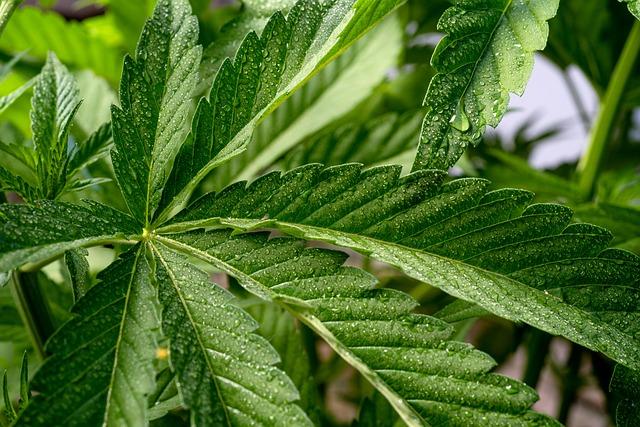
Like the first shining chord of a song, THCA sativa can feel like a lift – sharp citrus on the nose, a rush of clarity in the mind, a plant that promises energy and uplift. For curious consumers and connoisseurs alike, the challenge isn’t only finding a strain with the right high; it’s finding flower that delivers consistent, clean results from seed to shelf.
THCA, the non‑psychoactive acid found in raw cannabis, is prized in certain sativa chemovars for its high cannabinoid and terpene content before decarboxylation. Whether you’re drawn to lively citrus terpenes, floral complexity, or a signature lineage, quality comes down to more than a catchy name: genetics, cultivation practices, curing, and independent lab testing all shape the final product.
This guide walks through how to identify top‑rated THCA sativa flower and where to look for it – from licensed dispensaries and reputable online marketplaces to craft growers and trusted brands. You’ll learn what to look for on a product page or budtender’s shelf, how to read certificates of analysis, and which red flags to avoid, all while keeping legality and safety front of mind.
Read on to demystify the search and find the sativa flower that matches your preferences – informed, transparent, and reliably high quality.
Reading Lab Results and Certificates of Analysis: what to Demand Before You Buy
Whether you’re chasing a citrusy sativa buzz or the cleanest terpene expression,a product’s COA is your single-source truth. Look for the batch number, a clear test date, and the lab’s accreditation seal – these tell you the report matches the bag in your hand and was produced by a reputable facility. Pay attention to how cannabinoids are reported: many labs list both THCA and converted Δ9‑THC, plus a “total THC” calculation.That arithmetic explains why a flower with high THCA may still test under legal THC thresholds after decarboxylation assumptions are applied.
Demand clarity on contaminants and potency. A trustworthy COA will show:
- Pesticides – with detected values and permissible limits
- Microbials – yeast, mold, and pathogenic bacteria screening
- Heavy metals – lead, cadmium, mercury, arsenic
- Residual solvents – crucial for concentrates but sometimes tested on flower too
If you see cryptic terms like LOQ (limit of quantitation) or ND (not detected), that’s normal - learn what those thresholds mean for safety and potency.
Speedy-reference snapshot (example of what a clean COA looks like):
| Metric | Value |
|---|---|
| THCA | 22.5% |
| Δ9‑THC | 0.3% |
| Total cannabinoids | 25.0% |
| Terpenes | 1.8% (limonene, myrcene) |
| Pesticides | ND |
Before you hit “add to cart,” verify the COA is accessible (QR codes on packaging are ideal), matches the lot you’re buying, and is issued by an independent third-party lab. If the vendor balks at providing a full report, consider that a red flag. Small checks - like confirming lab contact info, cross-checking accreditation, or asking for the method summary – will keep your sativa selection honest and your sessions predictable.

Terpene Profiles and Expected Effects: How to Match Strains to Your Goals
Terpenes do the heavy lifting of scent and subtle effect, giving each THCA sativa its personality beyond cannabinoids.Think of them as a perfume and a mood board rolled into one: citrusy top notes that lift you, herbal bases that steady you, and floral accents that soften the ride. When choosing a flower, focus less on labeled strain names and more on the terpene fingerprint – that’s where you’ll find clues about energy, focus, and the type of creative or social buzz a particular batch is highly likely to deliver.
below are common terpene signatures and the feelings they often accompany. Use this as a quick reference when you’re scanning lab results or dispensary descriptions:
- Pinene – pine, alertness, clearer breathing; excellent for daytime tasks.
- Limonene – citrus, uplift, mood elevation; great for social or creative hours.
- Myrcene – earthy, calming; in sativas it can smooth edginess but may nudge toward mellow.
- Linalool – floral, soothing; balances overstimulation and adds gentle relaxation.
| Goal | Dominant terpene | Quick Effect |
|---|---|---|
| Focus & Productivity | pinene | Clear-headed,alert |
| mood Lift & Creativity | Limonene | Energizing,chatty |
| Balanced Daytime Calm | Myrcene + Linalool | Calm without sedation |
| Social Comfort | Caryophyllene | Warm,easing tension |
Practical tip: always check the COA for terpene percentages rather than relying solely on strain names. If you want specific outcomes,ask for samples or small purchases to test how a batch’s terpene mix interacts with your biology. Start low, note which aromas correspond to the mental state you prefer, and build a short list of go-to terpene profiles - that becomes the fastest path to finding reliable THCA sativas that align with your intentions.

Buying Smart: Storage Dosing and Compliance Tips for Consistent Results
Keep your flower tasting and performing like the day you bought it by prioritizing habitat over gimmicks. Store jars in a cool, dark place away from heat vents and direct sunlight; light and warmth degrade terpenes and cannabinoids. Use airtight glass containers and a small humidity pack to maintain relative humidity in the 58-62% range - too dry and the smoke will be harsh, too moist and you risk mold. Avoid freezing or vacuum-sealing flower for long-term storage, as extreme cold and mechanical damage can break trichomes and alter potency.
- Airtight glass jars for daily or weekly use
- boveda-style humidity packs to stabilize RH
- Opaque outer container or cupboard to block light
- Childproof location-always keep out of reach of minors and pets
When it comes to dosing, consistency is the name of the game. Pick one consumption method (vape, joint, or infusion) and stick with it while you dial in effects – switching methods changes bioavailability and can feel like a different product. Start low and go slow, recording time, dose, and effects in a log so you can replicate accomplished sessions. Remember that applying heat converts THCA into psychoactive THC; know whether you want raw THCA’s profile or the decarboxylated experience and dose accordingly.
Buying from licensed sources and tracking paperwork will protect both your health and your right to enjoy the product. Always ask for a current Certificate of Analysis (COA) showing cannabinoid profile and contaminant testing, note the batch number and harvest or packaging date, and follow local possession and transport rules. For practical consistency, label each jar with strain name and date, rotate older flower to the front (first-in, first-out), and keep a small daily-dose container if you’re trying to reproduce a specific microdose.
| Parameter | Target | Why it matters |
|---|---|---|
| Temperature | 60-70°F (15-21°C) | Slows terpene/cannabinoid degradation |
| Relative Humidity | 58-62% | Preserves texture and burn quality |
| Light Exposure | Minimal / Dark | prevents cannabinoid breakdown |
Closing Remarks
Whether you’re chasing an uplifting cerebral lift or simply exploring new terpenes, choosing top-rated THCA sativa comes down to informed choices: verified lab results, transparent sourcing, and retailers that stand behind their flower. Think of each strain as a chapter in a larger book – the details matter, from genetics and cultivation practices to how the product is stored and sold.
Shop with curiosity and caution: compare certificates of analysis, read recent customer experiences, and confirm local legality before you buy. Sampling small amounts and keeping notes on aroma, effect, and freshness will help you refine what works best for you over time.
quality flower is as much about trust as it is indeed about terpene profiles and potency.With the right information and a responsible approach, finding a reputable source of THCA sativa can be a rewarding part of your cannabis journey.

