


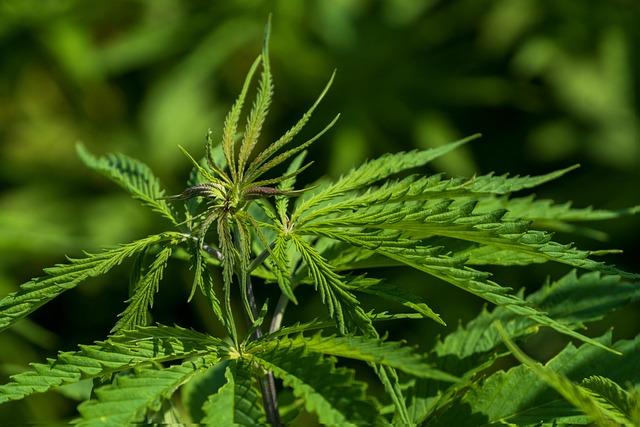
Beneath the familiar fronds of the hemp plant lies a compound that’s quietly stepping out of the shadows: THCA, or tetrahydrocannabinolic acid. Unlike its infamous cousin THC, THCA exists naturally in raw hemp and doesn’t produce a psychoactive high unless it’s heated and converted. That subtle difference has captured the attention of people curious about plant-based approaches to everyday wellbeing-and of scientists beginning to map its properties.
This practical guide aims to demystify hemp THCA without hype. You’ll find clear explanations of what THCA is and how it behaves, how it differs from other cannabinoids, and the current state of research and regulation. We’ll also cover everyday considerations: how products are made and labeled, simple ways people incorporate THCA into routines, safety and dosing basics, and questions to ask when sourcing products.
Think of this as a compass for anyone intrigued by hemp’s less-famous chemistry: balanced,evidence-minded,and designed to help you make informed choices rather than sell a promise. Weather you’re a wellness explorer or a curious professional, read on to unlock the essentials of THCA and how it may fit into a practical health toolkit.
Integrating THCA Into Daily Wellness: Timing, complementary Practices, and goal Focused Plans
Think of THCA as a tool you place into the rhythm of your day rather than a one-size-fits-all remedy. Begin with the mantra start low,observe,and adjust: a small morning microdose can support focused task work,a midday dose may help with chronic discomfort,and an evening tincture or edible can complement winding-down routines. Time-dosing around meals – particularly with a small amount of healthy fat - often improves absorption, so plan intentional windows rather than impulsive use.
Pairing THCA with supportive practices amplifies benefits without adding complexity. Try integrating one or two of these simple complements into your protocol:
- Movement: gentle yoga or a short walk to boost circulation and mindfulness.
- Breathwork: 5-10 minutes of paced breathing to anchor effects and track changes.
- Nutrient timing: modest healthy fats for absorption and magnesium before bed for relaxation.
- Journaling: quick notes on mood, sleep, and tasks for trend spotting.
| Goal | Recommended Timing | Complement |
|---|---|---|
| focus & Productivity | Low AM microdose | Short movement break |
| Pain Management | midday split dose | heat therapy or gentle stretching |
| Sleep & Recovery | Evening tincture or edible | Wind-down routine + magnesium |
Build a goal-focused plan that fits your calendar: run a 7-14 day experiment with set doses and times, log outcomes, then iterate. Prioritize consistency so patterns emerge, and keep safety top of mind - avoid concurrent heavy alcohol or sedative use and consult a healthcare professional if you’re on prescription medications. Small,measured changes with clear goals will reveal how THCA best becomes part of your daily wellness architecture.

Buying and Storing THCA Products: Shopping Checklist and Strategies to Preserve Potency
Think of shopping like field research: prioritize transparency and provenance. Before you add anything to cart, check for a current Certificate of analysis (COA), clear labeling of cannabinoid content (THCA vs. decarbed THC), and origin details such as cultivar and farm practices. Look for vendors that list extraction methods-cold ethanol, CO2 or solvent-free techniques are preferable for preserving raw THCA. Also keep an eye on batch dates and expiration information so you aren’t unknowingly buying near-expired stock.
Use this compact checklist while browsing:
- COA available with pesticides/solvents tested
- Clear cannabinoid profile (THCA % shown)
- Origin & extraction disclosed
- Minimal additives – especially for concentrates and tinctures
- reputable seller with good return policy
How you store your purchase can be as important as how you choose it. Keep products cool, dark and airtight: amber glass jars or opaque, airtight containers block light and oxygen that drive THCA degradation. For flower, aim for a stable relative humidity (~55-62% RH) to protect trichomes and terpene balance-use humidity packs if needed. For concentrates and isolates, avoid frequent temperature swings; long-term freezer storage is acceptable for sealed crystalline THCA but not ideal for flower, which becomes brittle and loses aromatic nuance.
Below is a quick reference table to match product types with smart storage choices:
| Product | Best Storage | Tip |
|---|---|---|
| Raw flower | Airtight amber jar, 55-62% RH | Rotate stock; label open date |
| Tinctures | cool, dark cabinet; capped tightly | Carrier oil quality matters |
| Crystalline THCA | Sealed, cool, long-term freezer OK | Keep dry; avoid condensation |
| Concentrates | Opaque container, stable cool temp | Minimize handling/air exposure |
buy what you’ll use within a reasonable window, keep original packaging and COAs, and note the batch number and open date on containers. These small practices-coupled with sourcing from transparent, licensed sellers-will keep raw THCA potent and reliable, so your wellness routine stays consistent and informed.
Future Outlook
As our tour of hemp THCA comes to a close, remember that this compound sits at an intriguing intersection of plant chemistry and personal wellness: chemically familiar yet behaviorally distinct from THC, increasingly studied but still under active inquiry, and available in many formats but best approached with care. Unlocking its potential is less about quick fixes and more about curiosity, informed choices, and measured steps.
If you take one thing away, let it be this: learn the basics (THCA is non-intoxicating until heated), read labels and lab reports, start low and track effects, and talk with a trusted healthcare provider if you have medical conditions or take medications. Check the legal status where you live, buy from reputable sources, and be mindful that research is ongoing-promising signals exist, but definitive claims do not.
In short, THCA invites careful exploration rather than instant answers. With knowledge as your compass and safety as your guide, you can decide whether and how it fits into your personal wellness toolkit-one thoughtful step at a time.

