



A quiet chemistry hums at the center of every cannabis flower: THCa, a non-intoxicating precursor tucked into trichomes like an unopened letter.Unlocking THCa is the act of opening that letter – revealing different effects, uses, adn legal questions – and it’s become a topic of curiosity for consumers, craft cooks, clinicians, and curious home experimenters alike. This guide sets out to demystify the process,the science,and the real-world decisions behind converting THCa into its more familiar counterpart.
Think of this piece as a map rather than a single route. We’ll trace the biology that produces THCa, explain why someone might want to preserve or transform it, and compare the practical choices that shape outcomes in kitchen, clinic, and laboratory contexts. You’ll find clear explanations of the chemistry in plain language, an overview of tools and terms, and considerations for safety, potency, and consistency – all framed so you can make informed, responsible choices.
Because laws and safety standards vary widely, this article emphasizes compliance and harm reduction over shortcut instructions. Wherever you are on your journey – curious reader, caregiver, or experienced maker – the goal is the same: to unlock THCa knowledgefully, ethically, and with a steady hand.
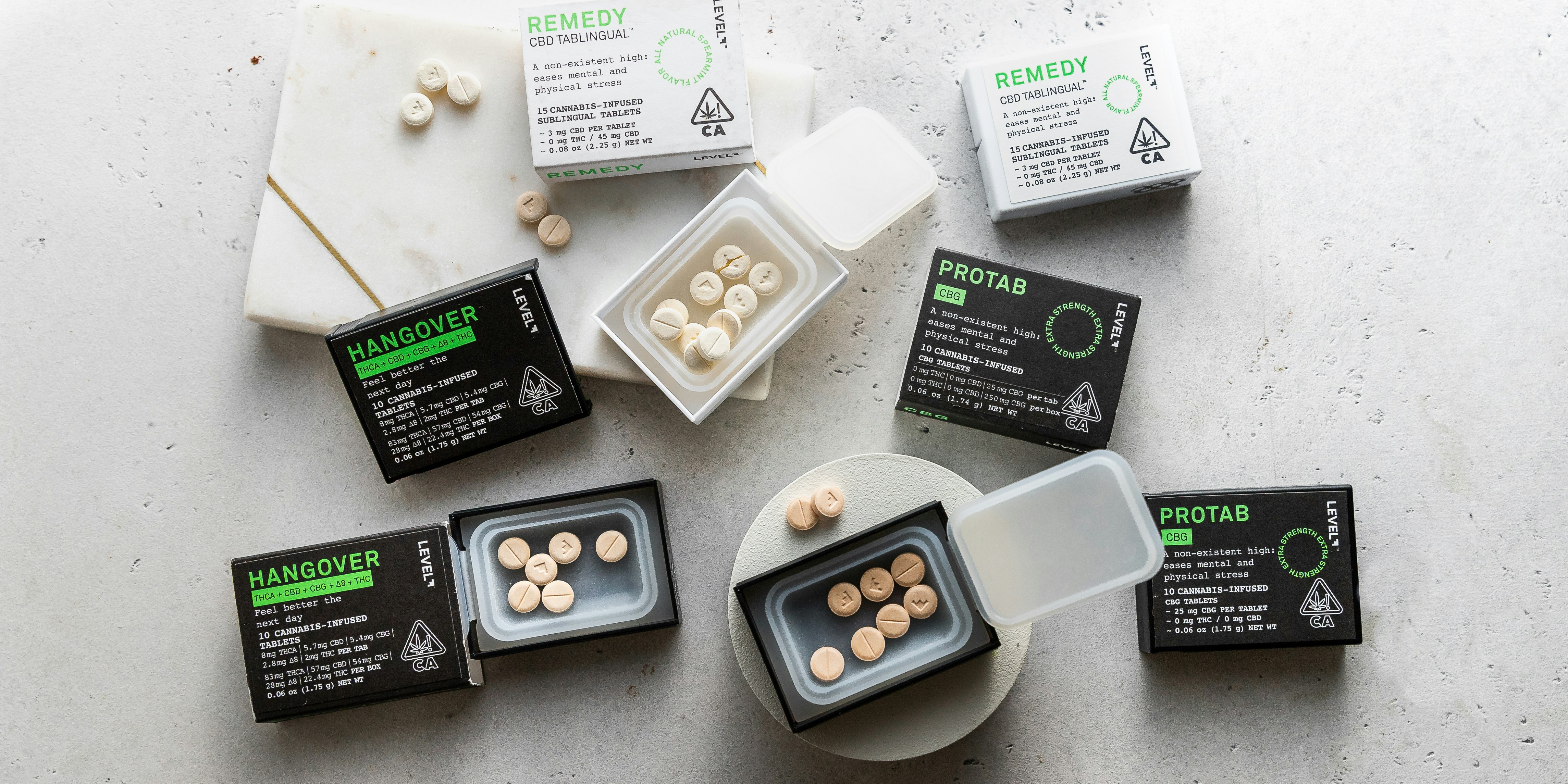
Demystifying THCa: What It Is, how It Works, and Where It Differs from THC
At the plant level, THCa is the molecule that sits quietly inside fresh cannabis flowers – a chemical cousin of the familiar compound that produces a high, but not identical. In its raw form it’s best described as an acidic precursor: structurally similar to delta‑9 THC, yet carrying an extra carboxyl group that changes how it behaves in the body. Because of that small difference, THCa is largely non-psychoactive when consumed without activation, and it appears in lab reports and product labels for a reason: it tells a different story about potency and potential effects than THC alone.
Activation is the pivot point.THCa does not strongly engage the brain’s CB1 receptors the way delta‑9 THC does – instead, it becomes intoxicating only after undergoing decarboxylation, a chemical change triggered by heat, light, or time. That conversion is why smoking, vaping, or baking cannabis converts THCa into the familiar THC people seek for psychoactive effects. The underlying pharmacology and metabolism remain an active area of research, but the practical takeaway is simple: how you prepare and consume the plant determines which compound predominates.
- Psychoactivity: THCa – typically non‑intoxicating; THC – intoxicating after activation.
- Legal and testing implications: Labs measure both, but regulations and limits often reference delta‑9 THC specifically.
- Therapeutic interest: Emerging research suggests unique anti‑inflammatory and neuroprotective profiles for THCa separate from THC.
- Consumption forms: Raw juice and tinctures preserve THCa; heated concentrates and edibles favor THC.
For quick reference, this little table contrasts the two at a glance:
| Attribute | THCa | Delta‑9 THC |
|---|---|---|
| Activation needed | No (raw) | Yes (requires decarboxylation) |
| Psychoactive? | No | Yes |
| Common consumption | Juices, raw extracts | Smoked, vaped, edibles |
If you aim to preserve THCa, remember to store cool and dark, avoid prolonged heat, and check lab certificates that list both acid and neutral cannabinoid forms. That small attention to chemistry lets you choose the experience you want – therapeutic, non‑intoxicating, or fully activated – with clarity rather than guesswork.

Consumption Strategies and Recommended Dosing: Raw Use, Decarboxylation Timing, and Safe Onset Guidelines
Raw consumption favors freshness and minimal heat: think cold-pressed juices, smoothies, or alcohol-free tinctures made with chilled glycerin or coconut oil infusions chilled immediately after extraction.Raw THCa is largely non-psychoactive,so many users treat it like a botanical supplement – start with small amounts and pay attention to how your body responds. Practical tips:
- Juice early-harvest tops or fan leaves for the highest THCa concentration; blend lightly rather than boiling.
- Store cold and consume quickly to preserve thca and delicate terpenes.
- Label doses when batching tinctures or smoothies so you can track intake across days.
Decarboxylation timing matters when you want psychoactive THC rather than raw THCa. Gentle,steady heat converts THCa into THC without vaporizing valuable terpenes: think lower temperature for longer rather than a quick blast of high heat. oven times vary by material and moisture – treat thes as starting points, not rules, and test with a small sample frist. Suggested ranges are provided as guidance and should be adjusted for oven variability and product moisture.
Recommended dosing follows the “start low, go slow” philosophy. Raw THCa consumers often dose by plant weight or product label (if lab-tested); when heat is applied and THCa converts to THC, typical beginner and maintenance ranges look like this:
- Microdose: 1-2.5 mg THC (or equivalent decarbed THCa)
- Low: 2.5-5 mg THC
- Moderate/Experienced: 5-20 mg THC
If you’re using a raw product labeled in mg THCa, treat the label as your guide and remember decarboxylation efficiency isn’t perfect – err on the conservative side.
Safe onset & harm-reduction: different methods have very different onsets and peak windows, so always allow adequate time before re-dosing. Common-sense safety practices include avoiding alcohol or sedatives, not driving until you know your reaction, and keeping any doses clearly recorded. Quick reference:
| Method | typical onset | Suggested starter dose | Wait before redosing |
|---|---|---|---|
| Raw (juice/tincture) | 15-90 min (subtle) | Label-based; conservative | 60-90 min |
| Sublingual tincture | 15-45 min | 2.5-5 mg THC equiv. | 60-90 min |
| Inhalation (vape/smoke) | Immediate-10 min | 1-3 mg THC | 15-30 min |
| Edibles (decarbed) | 45-120+ min | 2.5-5 mg THC | 2-3 hours |
- Always wait the recommended window before adding more-most accidental overconsumption happens when people re-dose too quickly.
- When in doubt, consult lab results for a product’s THCa/THC content and follow local regulations where legal.

Safety, Compliance, and Storage Best Practices: Avoiding Risks and Ensuring Legal and Quality Standards
Regulatory clarity matters more than convenience. Before any handling or distribution, verify the legal status of THCa where you operate – that includes federal, state, and local rules, plus municipal ordinances. Maintain clear documentation for licensing,chain-of-custody,and lab testing certificates; these records are the backbone of compliance during audits and inspections.Packaging and labeling must meet jurisdictional requirements for potency disclosure, allergen warnings, child‑resistant features, and consumer education. When in doubt, consult a cannabis-savvy attorney or compliance consultant to avoid costly missteps.
Prioritize safety systems over shortcuts. Treat all solvents, concentrates, and processing environments as potential hazards: ensure proper ventilation, explosion-proof electrical fixtures where flammable materials are present, and accessible material safety data sheets (MSDS) for every chemical on site. Require and enforce personal protective equipment (PPE) – nitrile gloves, eye protection, and respirators when appropriate – and implement routine safety training and emergency response drills. For high‑risk procedures or analyses, use licensed third‑party laboratories rather than improvising in house; this reduces legal exposure and improves data integrity.
Store for stability, not convenience. THCa sensitivity to light, heat, and oxygen means storage choices directly effect product quality and legal labeling accuracy. Use airtight, opaque containers, keep product cool and dry, and control humidity to prevent degradation or mold. Below is a simple guide for bench-to-shelf conditions:
| Condition | Optimal range | Why it matters |
|---|---|---|
| Temperature | 2-8°C (short term) / 15-20°C (long term) | Slows conversion and preserves potency |
| Light | Dark storage | Prevents photodegradation |
| Oxygen | Low O2 / vacuum sealed | Reduces oxidation to other cannabinoids |
Embed quality assurance into every step. Implement routine potency and contaminant testing, retain samples for stability studies, and keep a clear recall and disposal plan for nonconforming batches. Train staff on documentation, labeling accuracy, and incident reporting, and maintain adequate liability insurance and supplier audits. Quick checklist:
- Maintain up‑to‑date licenses and test reports
- Use MSDS and PPE consistently
- Label, track, and timestamp every batch
- Have a tested recall & waste disposal procedure
following these practices reduces legal exposure, protects consumers, and preserves the integrity of your THCa products.
Closing Remarks
We’ve traveled from the molecule to the medicine cabinet: understanding what THCa is, how it behaves, and what practical decisions matter is less about arcane tricks and more about informed choices. At its heart, unlocking THCa means recognizing the difference between raw cannabinoids and their activated counterparts, knowing how to evaluate products and sources, and making safety- and law‑conscious decisions that suit your needs.
Before you close the book on this topic, remember the essentials: prioritize tested and clearly labeled products, keep storage and handling safe, respect local laws and regulations, and consult a healthcare professional when in doubt. Curiosity paired with caution will let you explore responsibly-start small, track outcomes, and adjust based on reliable facts rather than hearsay.
If this guide left you with questions, that’s a good sign: THCa sits at the crossroads of science, culture, and regulation, and the landscape keeps changing. Stay curious, keep learning from reputable sources, and share observations with the community so others can benefit. Thoughtful experimentation and clear-headed choices are the real keys to “unlocking” THCa.You now have the map-use it wisely, tread carefully, and continue the journey with both wonder and restraint.

