


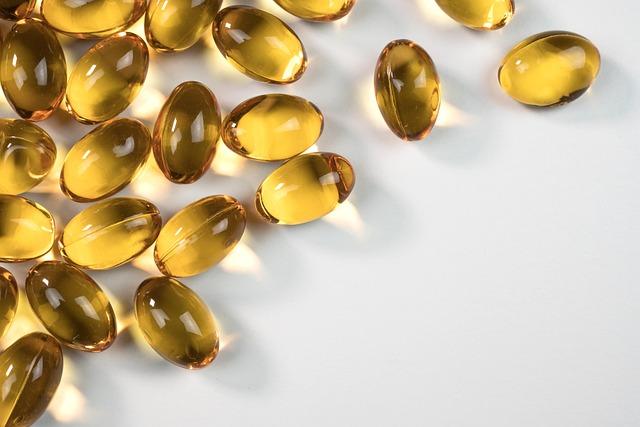
Like a quiet compound tucked behind a more famous cousin, THCa has been slipping into wellness conversations with a blend of curiosity and caution. Extracted from the raw cannabis plant and often marketed as a non-intoxicating alternative to THC,tetrahydrocannabinolic acid (THCa) arrives with promises of gentle support for sleep,mood,or inflammation – and with a thicket of questions about safety,dosing,and long-term effects.
This article lifts the canopy on THCa wellness supplements to examine what is known,what remains speculative,and why side effects deserve careful attention. We’ll trace the basics of how THCa differs from THC, summarize reported adverse reactions and potential drug interactions, highlight groups who should be particularly vigilant, and point out gaps in current research and regulation. The goal is not to persuade you for or against THCa, but to give clear, balanced data so you can weigh potential benefits against possible risks.

Interactions and Contraindications: Who Should Be Cautious with THCa
Think of THCa as a mild chemical conversationalist – it doesn’t always stay politely to itself. In the body,THCa can influence the way liver enzymes (notably the CYP450 family) metabolize other drugs,which may increase or decrease blood concentrations of co-administered medications. It can also amplify central nervous system depression when combined with alcohol, benzodiazepines, or certain sleep aids, and may affect blood thinning and blood pressure when mixed with anticoagulants or antihypertensives. These are interactions, not guarantees, but they change the safety profile enough to warrant caution.
Certain people should be particularly mindful before trying THCa. These include:
- Pregnant or breastfeeding individuals – fetal and infant effects are poorly understood.
- Children and adolescents – developing brains might potentially be more susceptible to cannabinoids.
- People on prescription medications – especially anticoagulants, anticonvulsants, SSRIs, and strong CYP450 substrates.
- Those with cardiovascular or psychiatric histories – THC-related compounds can alter heart rate and mood stability.
Being in one of these groups doesn’t automatically rule out THCa, but it raises the need for extra vigilance and a tailored conversation with a healthcare professional.
Below is a quick reference to common medication categories and the practical caution they merit when pairing with THCa:
| medication class | Possible effect | Practical caution |
|---|---|---|
| Anticoagulants (e.g., warfarin) | Altered clotting risk | Monitor INR; avoid unsupervised use |
| CNS depressants (e.g., benzodiazepines) | Increased sedation | Avoid driving; lower doses advised |
| Antiepileptics | Possible reduced seizure control | Consult neurologist before use |
| SSRIs / SNRIs | Mood or metabolism shifts | Watch for mood changes, report promptly |
Small adjustments in timing and dose-such as avoiding simultaneous intake with high-risk medications or starting at a low dose-can reduce risk, but they don’t eliminate it. If you’re taking prescription drugs or belong to any of the groups above, make the conversation with a clinician part of yoru THCa plan rather than an afterthought.

Practical Dosing and product Selection to Minimize adverse Effects
Start low, go slow should be your mantra when experimenting with THCa supplements. Begin with the smallest serving suggested on the label and allow several days to observe how your body responds before adjusting. keep a simple dosing journal – note time, amount, product batch, and any effects – so you can detect subtle patterns like tolerance buildup, delayed side effects, or situational sensitivities (stress, sleep, food).
choose products that make quality visible: third‑party lab reports, clear ingredient lists, and transparent extraction methods. Favor brands that disclose cannabinoid profiles (including residual THC), terpene content, and contaminant screens. If you prefer minimal risk of intoxicating effects, look for raw THCa products explicitly labeled as non‑decarboxylated and produced under cold‑chain conditions; if you need precise, repeatable dosing, isolates or measured tinctures tend to be more predictable than homemade infusions.
| Form | Typical onset | Quick Note |
|---|---|---|
| Tincture (sublingual) | 15-45 minutes | Faster onset,easier to titrate |
| Edible/Gummy | 45-120 minutes | longer,stronger duration; dose conservatively |
| Raw thca (non‑heated) | Minimal intoxicating effect | Safe for those avoiding THC,unless heated |
Below the table,keep a short checklist handy when evaluating a product:
- certificate of analysis: recent and batch‑specific
- Clear dosing unit: mg per serving plainly listed
- Minimal excipients: fewer additives means fewer unknowns
Lastly,be mindful of interactions and practical safety. THCa can influence how you feel when combined with sedatives, alcohol, or certain prescription medicines – so discuss use with a clinician if you’re on chronic medication.Store supplements out of reach of children and pets, label doses clearly, and never drive or operate heavy machinery until you know how a product affects you. Thoughtful selection and conservative dosing will reduce most adverse surprises and let you explore benefits more confidently.
To Conclude
As with any newcomer to the wellness shelf,thca supplements arrive with promises and puzzles in equal measure. Unpacking their potential side effects reminds us that no supplement is purely benign and that individual responses can vary as widely as the labels on the bottles.Think of THCa as one tool among many: it may suit some people,worry others,and leave many undecided. The clearest path forward is the one marked by curiosity and caution-read the research, scrutinize product quality, start low and go slow, and keep a record of how you feel.
Regulation and scientific understanding are still catching up, so staying informed and consulting a trusted healthcare professional before starting or combining therapies is prudent.responsible use and informed choice will help you weigh benefits against risks and decide whether THCa belongs in your personal wellness toolkit.