


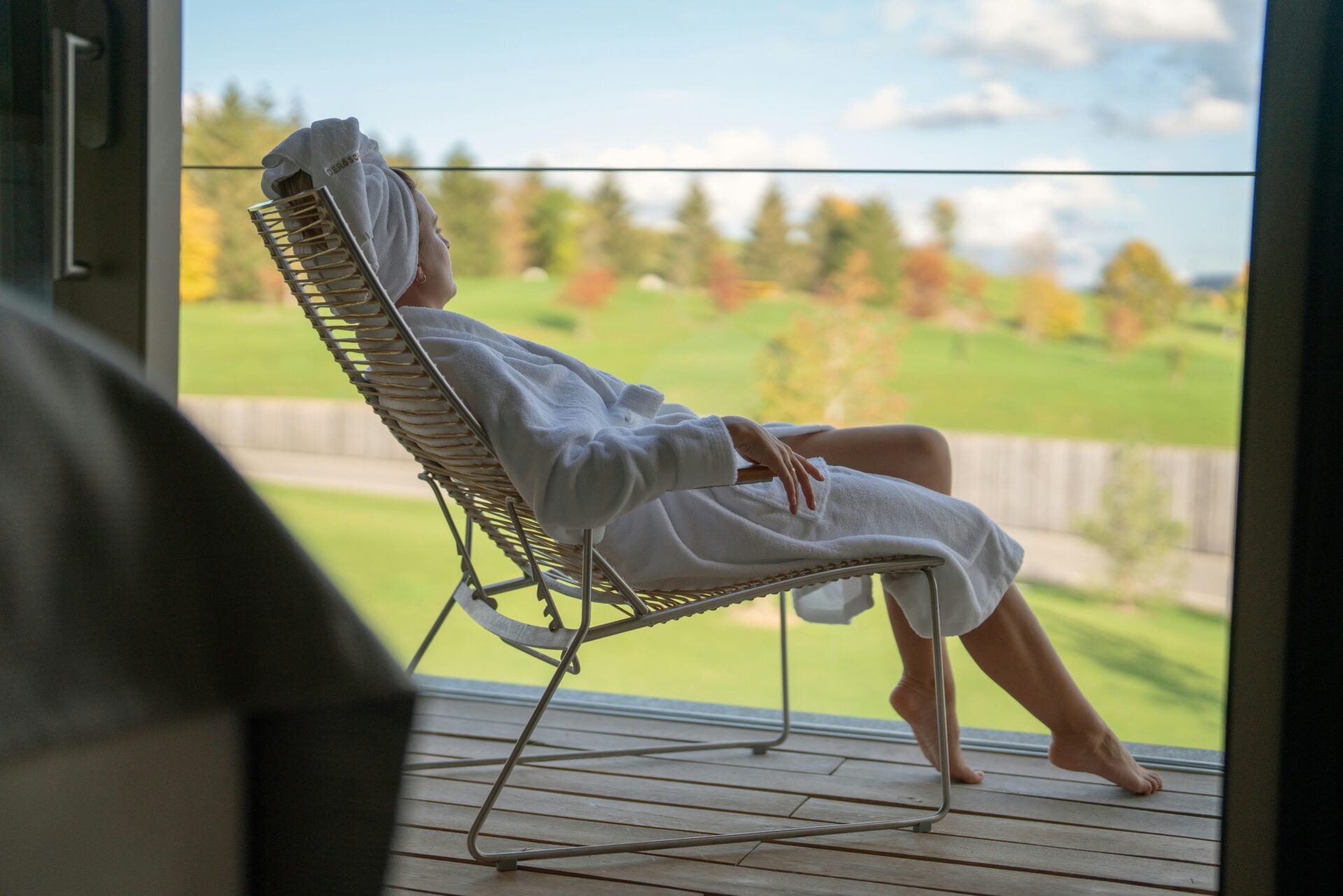
There’s a particular hush that settles over the world after a long day – a soft lowering of the edge that makes space for breath, quiet, adn recovery. In recent years, that hush has drawn curious attention toward an often-overlooked compound found in the cannabis plant: THCA (tetrahydrocannabinolic acid). unlike its more famous descendant THC, THCA is non-intoxicating in its raw form and is now being explored for the ways it might support relaxation and everyday well-being.
This article takes a measured look at what we currently know about THCA and relaxation-related health effects. We’ll sketch the compound’s basic chemistry and how it differs from other cannabinoids, survey early research and anecdotal reports regarding stress reduction, sleep, and muscle tension, and flag safety, legal, and evidence gaps that matter for anyone considering THCA as part of a self-care routine. The goal is not to prescribe but to illuminate – offering a calm, clear-eyed guide through the emerging science and practical considerations so readers can weigh potential benefits and uncertainties for themselves.
From Plant to Peace: How THCA Differs from THC and What the Research Suggests for Relaxation
Inside the living cannabis plant, most cannabinoids sit quietly in their acidic forms – a chemical holding pattern that changes when heat or time create a new molecule. THCA is that non-intoxicating precursor, while THC is its familiar, psychoactive descendant. The shift from one to the other is not just semantics: it changes how the compound interacts with the body, and that shift helps explain why some people describe a gentle unwind with raw extracts or tinctures that never produces the “high” associated with smoked cannabis.
- Psychoactivity: THCA - minimal to none; THC – psychotropic effects.
- activation: THCA – requires decarboxylation (heat) to become THC; THC – active after decarboxylation.
- common use: THCA – raw juicing, cold extracts; THC – smoking, vaping, edibles.
- Research status: THCA – early/preclinical; THC – much more studied clinically.
| Feature | THCA | THC |
|---|---|---|
| Source | Fresh plant resin | Decarboxylated plant |
| Psychoactive? | No | Yes |
| Typical effects | Calm, subtle (anecdotal) | Euphoria, altered perception |
| Evidence for relaxation | Promising but limited | Well-documented in some contexts |
Early laboratory and animal studies point to anti-inflammatory and possible neuromodulatory properties for THCA that could support a relaxed state – think reduced peripheral tension and a quieter nervous system rather than overt sedation. Human data are scarce, so current conclusions rest on small trials, observational reports, and biological plausibility. If your goal is relaxation without intoxication, THCA-containing preparations present an intriguing option, but remember that the clinical picture is still forming and robust randomized trials are needed to confirm safety, dosing, and real-world benefits.
Timing, Environment and Rituals to Enhance THCA Relaxation: Practical Tips for Evening Use, Stress Reduction and sleep Preparation
Choose the right window – aim to introduce THCA into your evening routine about 30-90 minutes before you plan to wind down. This gives time to notice subtle effects and adjust future timing. Start with a low amount and keep the dose consistent for several nights before changing it.Remember that raw THCA is non‑intoxicating, but heating it converts it to THC; if you want purely gentle relaxation, avoid heat that could decarboxylate the compound. Pacing, consistency and awareness are the simplest tools for reliable evening use.
- Start low, go slow: small dose, observe for a few nights.
- Wait and journal: note how long it takes to feel an effect and how you sleep.
- Avoid stimulants: limit caffeine and intense exercise in the hour before your planned dose.
- Light snack: a small, healthy bite can smooth onset without disrupting sleep.
shape a calming environment: dim lights, cool temperature, and predictable soundscapes can amplify relaxation. Soft,warm lighting and a steady noise source (white noise,gentle rain,or a low-volume playlist) tell your brain it’s time to rest. Scent can be subtle and effective – a dab of lavender or chamomile in a diffuser may complement THCA’s effects. Keep screens out of reach during your ritual to reduce blue-light stimulation and mental chatter.
| Element | Ideal setting | Why it helps |
|---|---|---|
| Lighting | Warm, low lamp or candles | Signals night-time, reduces alertness |
| Sound | White noise or soft ambient | Blocks disruptive spikes, supports steady breathing |
| temperature | Cool, cozy bedding | Facilitates sleep onset and comfort |
Build a short, repeatable ritual that cues your mind and body: light stretching, a five-minute breathing practice, a fast gratitude journal entry, or a warm shower all prime the nervous system for rest. Small, consistent steps create psychological momentum – pairing the ritual with THCA signals safety and wind-down. Keep the ritual under 20 minutes so it remains sustainable. Safety note: do not drive or operate heavy machinery after use and avoid heating THCA if you do not want intoxicating effects; if you have health concerns, consult a healthcare professional before making changes to your evening regimen.

Safety, Interactions and Legal Considerations: How to Combine THCA with Medications, Recognize side Effects and Stay Compliant
Combining THCA with other medicines requires care.Talk with your healthcare provider before adding THCA to any regimen-especially if you take blood thinners, anti-seizure drugs, antidepressants, or sedatives. Cannabinoids can affect liver enzymes (notably CYP3A4 and CYP2C9), altering how drugs are metabolized and perhaps raising or lowering blood levels.if you’re pregnant, breastfeeding, or have a history of psychosis or heart disease, err on the side of caution: avoid use until you’ve discussed risks with a clinician.
Practical safety steps make a big difference in minimizing harm.Adopt a “start low, go slow” approach: begin with very small amounts and keep a simple log of dose, form, and effects. Never mix THCA with alcohol or other CNS depressants, and store all hemp or cannabis products securely out of reach of children and pets. If a product may be heated (vaped, smoked, cooked), remember heat converts THCA into psychoactive THC-this affects both effects and legal/drug-test outcomes.
Know the common and the uncommon signs to watch for. Typical, mild reactions include dry mouth, lightheadedness, increased heart rate, and short-lived anxiety or cognitive fog. More serious red flags-severe chest pain,confusion,breathing difficulty,or symptoms suggestive of acute psychosis-require immediate medical attention. If you suspect a medication interaction (worsening side effects, unexpected sedation, or loss of therapeutic effect), stop use and consult your prescriber promptly.
Legal and workplace realities vary widely: some regions treat raw THCA differently from THC, while others regulate all cannabis-derived molecules the same. keep documentation of product source, lab testing (COA), and THC/THCA content; these records can be crucial if questioned by employers or regulators. Below is a quick reference for common medication classes and how to approach them.
| Medication class | Potential risk | Recommended action |
|---|---|---|
| Anticoagulants (e.g., warfarin) | Altered blood levels → bleeding risk | Consult prescriber; monitor INR closely |
| CNS depressants (benzodiazepines, opioids) | Excessive sedation, respiratory depression | Avoid concurrent use; stagger doses |
| SSRIs/SNRIs | Possible increased side effects or serotonergic effects | Discuss with clinician; watch for mood/behavior changes |
| Antiepileptics | Reduced effectiveness or toxicity | Medical supervision and therapeutic drug monitoring |
The Conclusion
As the last light of the day softens, THCA stands out not as a miracle cure but as one more thread in the long tapestry of relaxation practices – a compound worth watching, studying, and, for some, cautiously trying.Early research and personal reports hint at its potential to ease tension and support a calmer state of mind,yet the evidence is still emerging and far from conclusive.
If you’re curious about exploring THCA, do so with curiosity and caution: check local laws, choose products from reputable sources, be mindful of possible interactions or side effects, and talk with a healthcare professional if you have health conditions or take medications. Responsible use and careful sourcing matter as much as the promise of any single compound.
Ultimately, unwinding is personal. THCA might become a gentle tool in your relaxation toolkit, or you may find other methods suit you better.Keep an open mind, follow the science as it develops, and let informed choices guide your path to calm.

