


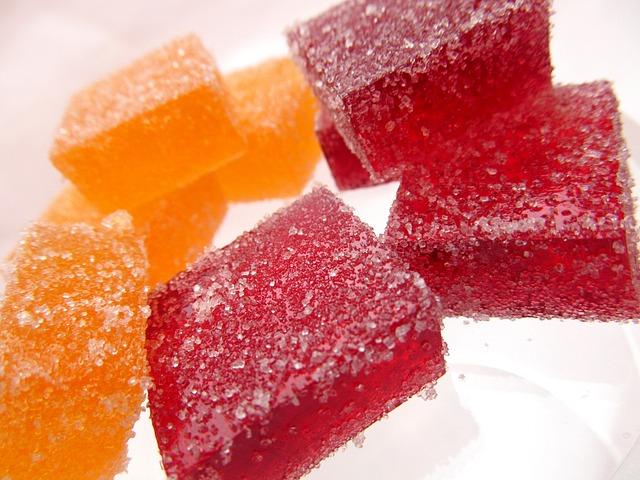
When the lights dim and the day’s bustle recedes, many of us reach for small rituals that signal it’s time to unwind. In recent months a new option has appeared on store shelves and social feeds: THCA gummies – chewy, flavored bites that promise a calmer transition to bedtime without the smoke. Part chemistry, part convenience, these products sit at the intersection of cannabis science and everyday self-care.
THCA (tetrahydrocannabinolic acid) is the raw, non‑intoxicating precursor to THC found in fresh cannabis, and manufacturers are marketing it in edible forms as a potential aid for relaxation and sleep. But the evidence behind those claims is still emerging. This article examines what THCA gummies are, how they differ from other cannabinoid products, and what current research and user reports say about thier effects on sleep. We will also cover safety considerations, dosing challenges, and legal and quality issues that can influence both the experience and the outcome.Neutral and evidence-focused, the following sections aim to seperate anecdote from data, explain plausible biological mechanisms, and help readers weigh potential benefits and risks before deciding whether to try THCA gummies as part of their nighttime routine.

From Plant to Pillow Understanding THCA Gummies and How They Differ from THC
Raw cannabis carries a molecule called THCA that lives quietly in the plant until heat transforms it into the psychoactive THC.Gummies crafted to preserve THCA avoid that transformation, offering a product that often feels gentler and non-intoxicating. In the context of sleep, these chews aim to lean into relaxation and evening calm without the “high” some people associate with heated THC edibles-an approach that appeals to sleepers who want rest without disorientation.
Key ways these two cannabinoids diverge include:
- chemistry: THCA has an extra carboxyl group; THC does not.
- Psychoactivity: THCA is largely non-intoxicating unless decarboxylated.
- Readiness: Heat (decarboxylation) converts THCA → THC.
- Labeling & law: Legal status and labeling can vary by region-check local rules.
- Perceived effects: THCA gummies are reported to feel more subtle for relaxation than traditional THC edibles.
| Attribute | THCA Gummies | THC Edibles |
|---|---|---|
| Psychoactive | Minimal to none | Noticeable |
| Onset | 30-90 mins (variable) | 30-120 mins |
| Common use for sleep | Relaxation, winding down | Deep sedation for some users |
For anyone exploring these gummies as a sleep aid, practical steps help: always review lab results and ingredient lists, start with a low dose, and avoid additional heat that could inadvertently convert THCA into THC. Pairing with calming rituals or proven sleep aids (like melatonin or CBD, if suitable) can shape the nightly experience, but keep expectations realistic-scientific evidence on THCA’s sleep-specific benefits is emerging, not definitive. Above all, prioritize safety and local compliance when introducing plant-derived products into your bedtime routine.

What the Research Says About Sleep Onset Duration and Restorative Sleep With THCA
across the small but growing body of work, findings are cautiously optimistic: several preclinical studies and early human reports indicate that THCA may help shorten the time it takes to fall asleep for some individuals. These studies are preliminary and frequently enough rely on subjective sleep diaries or small sample sizes, so claims of a dramatic effect are premature. Mechanistically, researchers point to THCA’s interaction with the endocannabinoid system and it’s potential anti-inflammatory and muscle-relaxing properties as plausible explanations for quicker sleep onset without the intoxicating effects typically associated with THC when THCA is consumed raw or low-heated.
Key takeaways from current research
- Sleep onset: Modest reductions in time-to-sleep reported in animal models and small human case studies.
- Restorative quality: Mixed outcomes-some participants report deeper, more restorative nights; objective measures are sparse.
- Evidence strength: Mostly preliminary; high-quality randomized controlled trials are lacking.
- Delivery matters: Raw THCA, tinctures, or low-heat gummies differ from heated THC products becuase decarboxylation changes effects.
| Study type | Sleep onset | Restorative sleep |
|---|---|---|
| Animal / Preclinical | Often faster in models | Improved markers in some assays |
| Small human trials | Shorter latency reported | Inconsistent; subjective improvement common |
| Anecdotal / User reports | Frequent claims of quicker sleep | Mixed-some feel rested, others no change |
Ultimately, the scientific picture is still forming.Objective sleep studies using polysomnography, standardized dosing of THCA gummies, and longer follow-up are needed to confirm whether shortened sleep onset reliably translates into more restorative sleep across diverse populations. Until then, individuals curious about THCA should proceed thoughtfully, monitor effects closely, and consider consulting a clinician-especially because heating can convert THCA to THC, altering both efficacy and legal considerations.

Practical Dosing Timing and Consumption Tips for Bedtime Use
Think of gummies as a slow-release lullaby rather than an instant knockout. As swallowed cannabinoids must pass through digestion, most people notice the first effects between 30-90 minutes after ingestion, with a peak at about 2-4 hours. A practical approach is to take your gummy about an hour before your planned lights-out, so the peak coincides with deep sleep cycles rather than the middle of your wind-down. For dosing, start conservatively-many sleepers begin with a micro to low dose (about 2.5-5 mg) and only increase in small steps after several nights of consistent observation.
Small rituals around consumption make a big difference. Try pairing your gummy with a light, bland snack if you’re prone to stomach upset, but avoid large, fatty meals that can prolong onset and intensify effects unpredictably. create a calm pre-sleep routine-dim lights, a short breathing practice, and putting devices away-so the gummy supports an existing bedtime cue. And remember: do not mix with alcohol or sedative medications without medical advice, and never operate vehicles or heavy machinery while under the influence.
Keep track of what works. Use a simple sleep log to record dose, timing, sleep quality, and next-day effects for at least a week before changing your strategy. Store gummies in a cool, childproof container and label them clearly. Below is a fast reference timeline you can adapt to your own schedule.
| When | Action |
|---|---|
| 90-60 minutes before bed | Take 2.5-5 mg, sip water, start wind-down |
| 60-30 minutes | Relaxing routine (lights off, low stimuli) |
| Morning | note sleep quality and next-day alertness in your log |
- Start low, go slow: give each dose several nights to reveal patterns before adjusting.
- Consistency matters: take at roughly the same time each night for reliable effects.
- Safety first: keep out of reach of children and consult a clinician if you’re on medications.
Concluding Remarks
As the lights dim on our look at THCA gummies and sleep, the picture that remains is one of cautious possibility rather than certainty. Research is still unfolding and personal responses vary widely: some people report softer edges to the night and quicker descent into rest, while others notice little change or unwanted next-day heaviness. Quality, dosage, timing, legal status and concurrent medications all shape the outcome, so thoughtful trialing – start low, go slow, track effects – is the clearest route to an informed personal judgment.
If you choose to explore THCA gummies, treat them like one tool among many for improving sleep: pair them with sleep-friendly habits, consult a healthcare provider when relevant, and stay alert to how your body and mind respond. Ultimately, unwinding well is less about a single product and more about finding an approach that fits your rhythms and priorities - a gentle experiment conducted with curiosity, care and clear-eyed caution.