


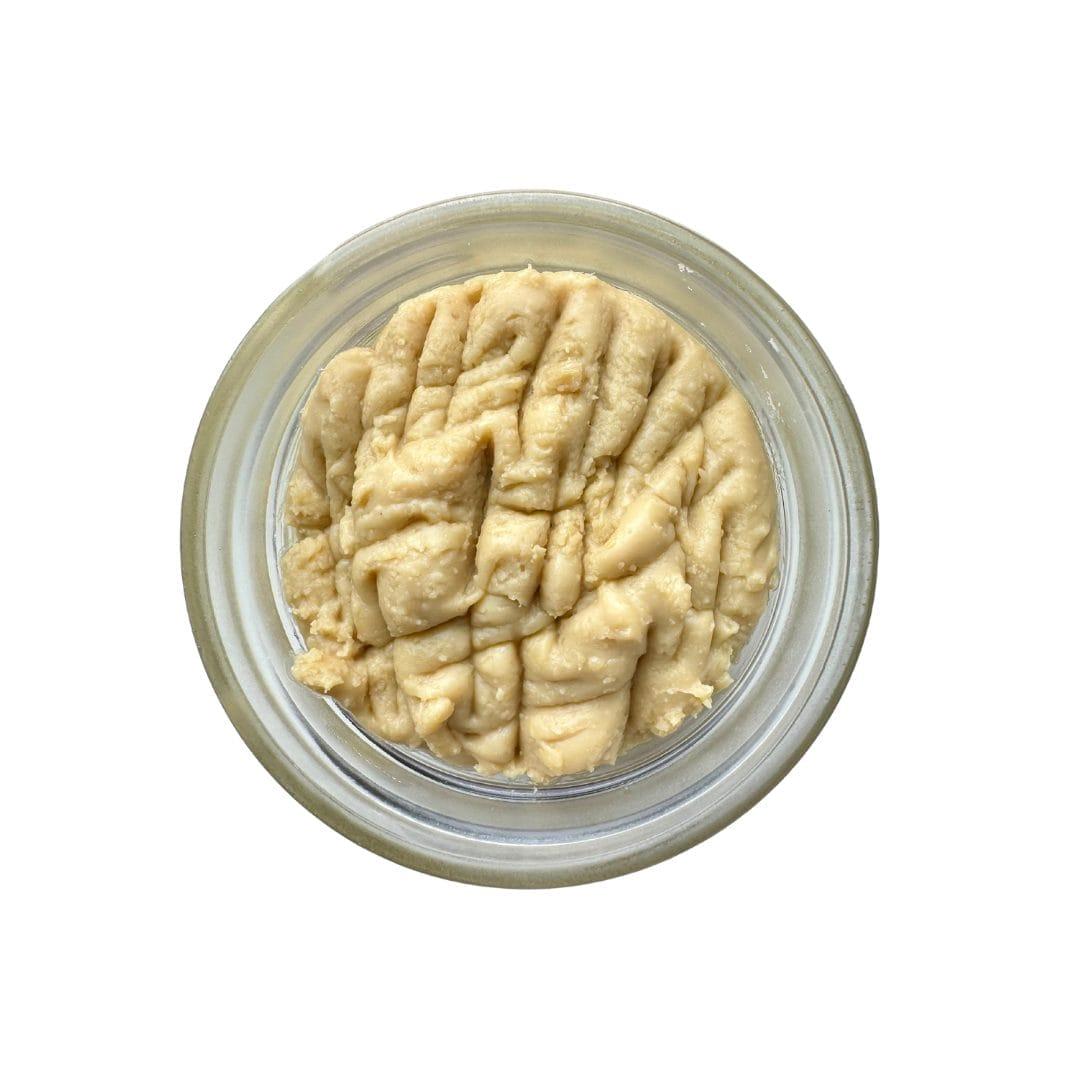
Like any commodity finding its footing, THCa is carving out a new kind of market vocabulary – one measured not in ounces at the counter but in pounds on invoices, spreadsheets and storage-room scales. From stainless-steel extraction suites to sunlit greenhouses, the price per pound of THCa has become a key barometer for growers, processors, buyers and investors who are watching an industry evolve from niche experiment to structured supply chain.
This article traces that evolution: charting historical price movements,unpacking the supply-and-demand mechanics behind recent shifts,and highlighting the regulatory,technological and quality-control forces that shape what a pound of THCa actually costs.Along the way we’ll examine regional differences, production economics, and the impact of testing standards and product applications - providing a clear, data-informed picture of where the market has been and where it may go next.
Seasonal cycles inventory dynamics and short term volatility in per pound pricing
Harvest rhythms and consumer seasons act like a heartbeat for the market: as cultivators bring in fresh biomass, the short-term supply bulge often translates into downward pressure on per-pound rates, while off-season scarcities can push spot prices upward. These oscillations are not just calendar trivia – they shape the spread between spot and contract pricing and determine whether a pound moves quickly off shelves or sits in storage awaiting the right moment. price per pound therefore becomes a living metric, responding to the cadence of planting, flowering, and processing windows across regions.
inventory dynamics add another layer of complexity. Warehousing capacity, processing bottlenecks, and the choice between immediate sale versus long-term storage all feed into volatility. Market participants watch a few core indicators more closely than others:
- Harvest Volume: sudden increases flood the market and depress per-pound prices.
- Processing Throughput: delays create artificial tightness even when raw supply is ample.
- Quality Segmentation: premium THCa lots can hold value despite commodity-level drops.
- Regulatory & Lab Backlogs: testing delays can create unpredictable release schedules.
Seasonal snapshot (illustrative)
| Quarter | Avg $ / lb | Relative Inventory |
|---|---|---|
| Q1 | $700 | Low |
| Q2 | $620 | Rising |
| Q3 | $560 | Peak |
| Q4 | $640 | Declining |
For buyers and sellers navigating these ripples, adaptability is the best hedge. Tactics such as staggered sales, quality-based segmentation, and short-duration forward contracts can dampen the sting of weekly price swings. Equally important is active inventory intelligence: real-time tracking of lots, test status, and processing capacity lets stakeholders convert seasonal predictability into tactical advantage rather than surrendering to volatility. In short, understanding the cycles turns per-pound noise into actionable signals.
Forecast scenarios risk management and tailored recommendations for buyers investors and sellers per pound
Market paths over the next 6-18 months split into a few clear possibilities: a rapid normalization driven by expanded retail acceptance and scale processing, a steady baseline where supply slowly matches nascent demand, and a contraction if regulatory headwinds or oversupply hit margins. Each path changes the arithmetic on price per pound and thus alters how much buffer you need in contracts and cash flow. Think of the landscape as a spectrum – small shifts in demand or compliance costs translate quickly into dollars per pound, so scenario planning should be a routine exercise, not a one‑time event.
To protect margins and position for upside, apply practical risk controls tailored to cannabinoid product realities. Core measures include:
- Hedging via forward contracts – lock in per‑lb pricing on a portion of expected volume to stabilize revenue or cost of goods sold.
- Staggered purchasing and sales – avoid one‑time fills by laddering buys/sells across price bands.
- Quality and traceability programs – premium pricing follows consistent potency and testing, reducing discount risk.
- Regulatory monitoring and legal buffers – build compliance contingencies into cost models per pound.
Recommendations diverge by stakeholder. For buyers, prioritize flexible supply agreements and quality premiums – buy spot when per‑lb quotes dip below your break‑even threshold, and use short forward windows to cap upside. For investors, focus on unit economics: insist on clear per‑lb cost and margin breakdowns, stress‑test models under a 20-40% price swing, and diversify across product formats to smooth exposure. For sellers, optimize yield and reduce cost per pound through processing efficiencies, and sell a mix of spot and forward volumes to capture rallies while locking minimum cash flow.
| Scenario | 12‑month $/lb Range | Risk Level | Quick Action |
|---|---|---|---|
| Optimistic | $2,000-$2,800 | Low | Scale production; sell limited forward |
| Baseline | $1,200-$2,000 | Moderate | Ladder contracts; maintain reserves |
| Pessimistic | $600-$1,200 | High | Cut overhead; prioritize cash liquidity |
Insights and Conclusions
As the charts flatten and spike and the data points keep their quiet conversation, the story of US THCa market growth and price trends per pound feels less like a single plotline than a shifting landscape.Supply expansions, regulatory turns, and consumer preferences are the weather systems directing those shifts - sometimes in predictable seasonal cycles, sometimes in sudden gusts that redraw the map overnight.
For producers, buyers, and observers alike, the lesson is one of steady attention rather than headline-driven panic. Price per pound will continue to reflect a mosaic of regional dynamics, extraction efficiencies, and legal clarity. Those who combine careful data tracking with adaptability in sourcing and strategy will be best positioned to navigate the market’s ebb and flow.
watching THCa’s market is like watching a tide: the patterns can be read, but the timing and scale still hold surprises. Keep your instruments calibrated, your assumptions questioned, and your view broad – the next chapter of growth is already in motion.
