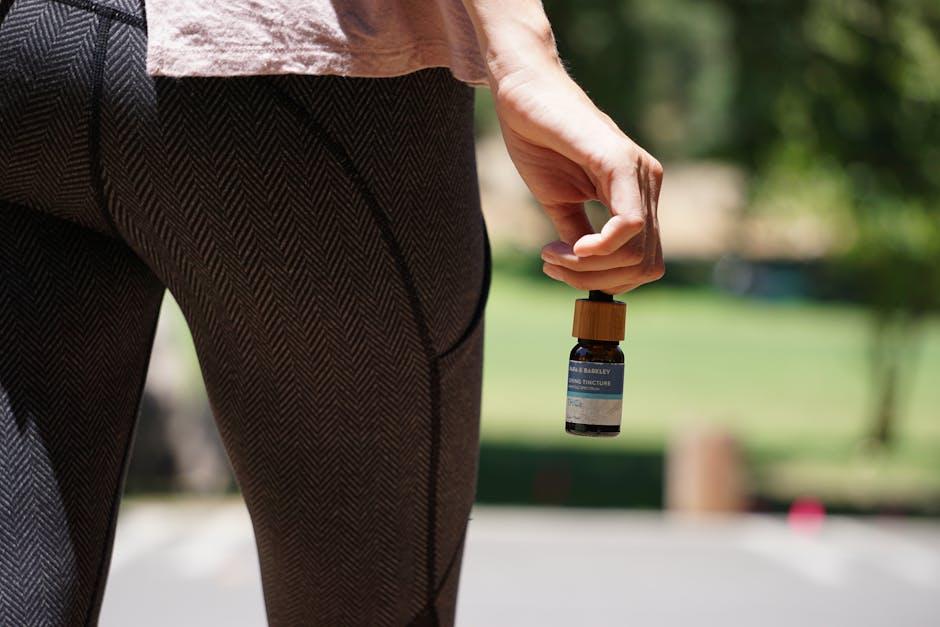
Like the last light of day catching on a handmade blade, a limited full-spectrum batch of USA-made THCa rosin arrives with an air of quiet precision – an offering where craft and chemistry meet without fanfare. This introduction unpacks what it means when growers and extractors choose rosin as their medium: a solventless expression of plant character, pressed and preserved to highlight the full bouquet of cannabinoids and terpenes that define a single harvest.
Made, packaged, and tracked on American soil, these small runs are as much about provenance as they are about potency. Each jar represents a curated moment in time: a specific cultivar, a particular trimming and curing story, and the deliberate decisions that keep the plantS nuanced flavors intact. For collectors and connoisseurs interested in the intersection of artisanal technique and botanical fidelity, a limited full-spectrum THCa rosin batch offers a focused way to explore the complexity and variety native to each crop.
this piece will guide you through what sets such a release apart - from the principles of full-spectrum extraction to the markers of quality and the cultural value of scarcity – so you can appreciate the craft behind the label as much as what’s inside the container.

Interpreting Lab Results and Quality Assurance Recommendations for buyers
Potency numbers tell a story beyond a single percentage.Look at both the reported THCa and the calculated potential Δ9‑THC (remember to apply the standard conversion factor ~0.877 for decarboxylation) to understand what the extract will deliver when heated. Also consider the total cannabinoid profile – presence of minor cannabinoids like CBG,CBC or trace CBD indicates true full‑spectrum character rather than an isolated concentrate. Chromatograms that show clean, well‑resolved peaks are a good sign of accurate quantitation and proper sample preparation.
Contaminant screens are equally critical.Prioritize results for residual solvents (GC/MS), pesticides (LC/MS or GC/MS panels), heavy metals (ICP‑MS), and microbial limits including total aerobic count and yeast/mold. Note the lab’s reported limits of detection (LOD) and limits of quantitation (LOQ) – values below these limits are not the same as “non‑detect” for risk assessment. A detailed terpene profile adds sensory and entourage context; high terpene retention in rosin supports claims of small‑batch, gentle processing.
Before buying, follow a short checklist to reduce surprises and ensure consistency:
- Request the full COA with batch number and testing date from a third‑party, ISO/ILAC‑accredited lab.
- Verify potency labels against the COA and watch for large variances between batches.
- Inspect chromatograms for baseline noise or unexplained peaks that could indicate adulteration.
- Confirm contaminant thresholds meet your state or supplier internal limits, not just “pass/fail.”
- Ask about sample handling and storage stability testing to predict shelf life.
| marker | What to look for | Common acceptance |
|---|---|---|
| THCa / Δ9‑THC | Consistency with label, clear chromatogram peaks | Match label ±10% |
| Residual Solvents | No heavy solvent peaks (butane, ethanol, etc.) | Below USP/State limits |
| Pesticides | Non‑detect for regulated compounds | Below method LOQ / state limits |
| heavy Metals | Low ppb levels by ICP‑MS | Below action limits (As, Pb, Cd, Hg) |

Ethical Sourcing Packaging Transparency and Legal Considerations for Responsible Purchase
Provenance matters: for a limited, full-spectrum THCa rosin proudly made in the USA, the story behind the flower is part of the product. Look for brands that describe grow practices, list farms by region, and publish batch-level traceability. small-batch rosin often carries a clearer chain of custody-harvest dates, cultivar names, and solventless extraction details-so you can evaluate environmental stewardship and worker practices rather than rely on marketing alone.
Packaging should do more than protect-it should communicate. Expect clear, readable batch numbers, tamper-evident seals and child-resistant closures, plus a visible route to lab results. Many responsible producers embed QR codes on their labels that link directly to a batch Certificate of Analysis (COA) showing cannabinoid profile, residual solvent screening and pesticide results. These elements build trust and reduce the guesswork when choosing a concentrated cannabis product.
stay mindful of legal context: compliance is multilayered and changes by state. Confirm that potency reports match local legal limits,verify the vendor holds required state licenses,and never assume interstate transport is lawful even for hemp-derived concentrates. For true transparency, verify third-party lab accreditation and keep COAs for reference-when in doubt, consult local regulations or a qualified advisor to ensure you remain within the law.
Speedy buying checklist
- Third-party COA linked to the exact batch
- Visible batch number and harvest/press dates
- Child-resistant, tamper-evident, recyclable packaging
- Farm or processor traceability and labour practice notes
- State license and lab accreditation information
| Document | What it proves |
|---|---|
| COA | Potency & contaminant testing for the specific batch |
| State License | Legal authorization to produce/sell in that state |
| Organic / Regen Note | Farming practices and environmental claims |
Insights and Conclusions
As the final drops of this limited full‑spectrum batch settle, what remains is a story of craft, place and restraint – small runs, careful runs, and an unmistakable American provenance. USA‑made THCa rosin like this invites recognition for its process as much as for its profile: trained hands, tested material, and a commitment to transparency. If this batch caught your interest,let practicality lead: review the lab results,confirm local regulations,and choose from licensed sources. Whatever your next step, treat the work behind the jar as the conclusion of one chapter and the beginning of a more informed conversation about quality, safety and artisanal intent.