



Think of THCA as cannabis’s quiet opening act – a molecular precursor that doesn’t steal the show the way THC does, but quietly shapes what comes next. If you’ve ever seen raw, sticky cannabis or wondered why fresh flower doesn’t get you high the way smoking or vaping does, THCA is the reason. It’s a naturally occurring compound found in the living plant that converts into intoxicating THC when exposed to heat or time, and understanding that conversion unlocks a lot about how cannabis works.
This quick-start guide strips the science down to what beginners actually need to know: what THCA is, how it differs from THC and other cannabinoids, how it’s formed and transformed, and the basic legal and safety points to keep in mind. expect clear explanations, practical examples, and pointers to were you can learn more – without heavy jargon or hype.Whether you’re curious about raw cannabis,exploring non-intoxicating options,or just trying to make sense of labels at a dispensary,this introduction will give you the orientation you need to read the rest of the guide with confidence.


How THCA Works in the Body Interaction with Receptors Metabolism and Onset of Effects
THCA is the raw, acidic precursor to THC – a molecule that likes to linger in plant tissue until heat nudges it into a new form. In the body it behaves differently than THC: rather than powerfully activating the brain’s CB1 receptors (the main driver of psychoactive effects),THCA shows a gentler,more diverse interaction profile. That means its signaling is frequently enough subtler, and any “central” effects are much less pronounced unless it is indeed converted into THC through heat or prolonged metabolic processes.
Beyond the classical cannabinoid sites, THCA engages with several other molecular players. Researchers observe activity at ion channels and nuclear receptors that help regulate cell behavior and sensation. Some notable interaction partners include:
- CB2 – milder affinity than THC,more associated with peripheral immune tissues.
- TRP channels (e.g., TRPV1) – implicated in sensory signaling and temperature detection.
- PPARγ – a nuclear receptor involved in metabolic and gene-expression pathways.
how THCA is handled by the body depends heavily on route of intake. Heat triggers decarboxylation, turning THCA into psychoactive THC almost immediately (as happens when smoking or vaping). When consumed raw,THCA remains chemically intact but faces enzymatic processing in the digestive tract and liver – the so-called first-pass metabolism – where cytochrome P450 enzymes further modify cannabinoids. The practical result: onset and intensity vary widely.
| Route | Typical Onset | What to Expect |
|---|---|---|
| Raw/juiced | 10-60 minutes | Minimal psychoactivity; THCA largely intact |
| Oral edibles (uncooked) | 30-120 minutes | delayed effects; conversion depends on stomach heat and time |
| Smoking/Vaping | Seconds-minutes | Rapid decarboxylation → THC effects |
| topical | Minutes-hours (local) | Primarily local interaction; limited systemic conversion |
In short,think of THCA as a molecular chameleon: quiet and plant-bound until heat or metabolism reveals a very different profile. This interplay – receptor selectivity, peripheral targets, and metabolic conversion – shapes whether you experience subtle signaling or the classic effects associated with THC.

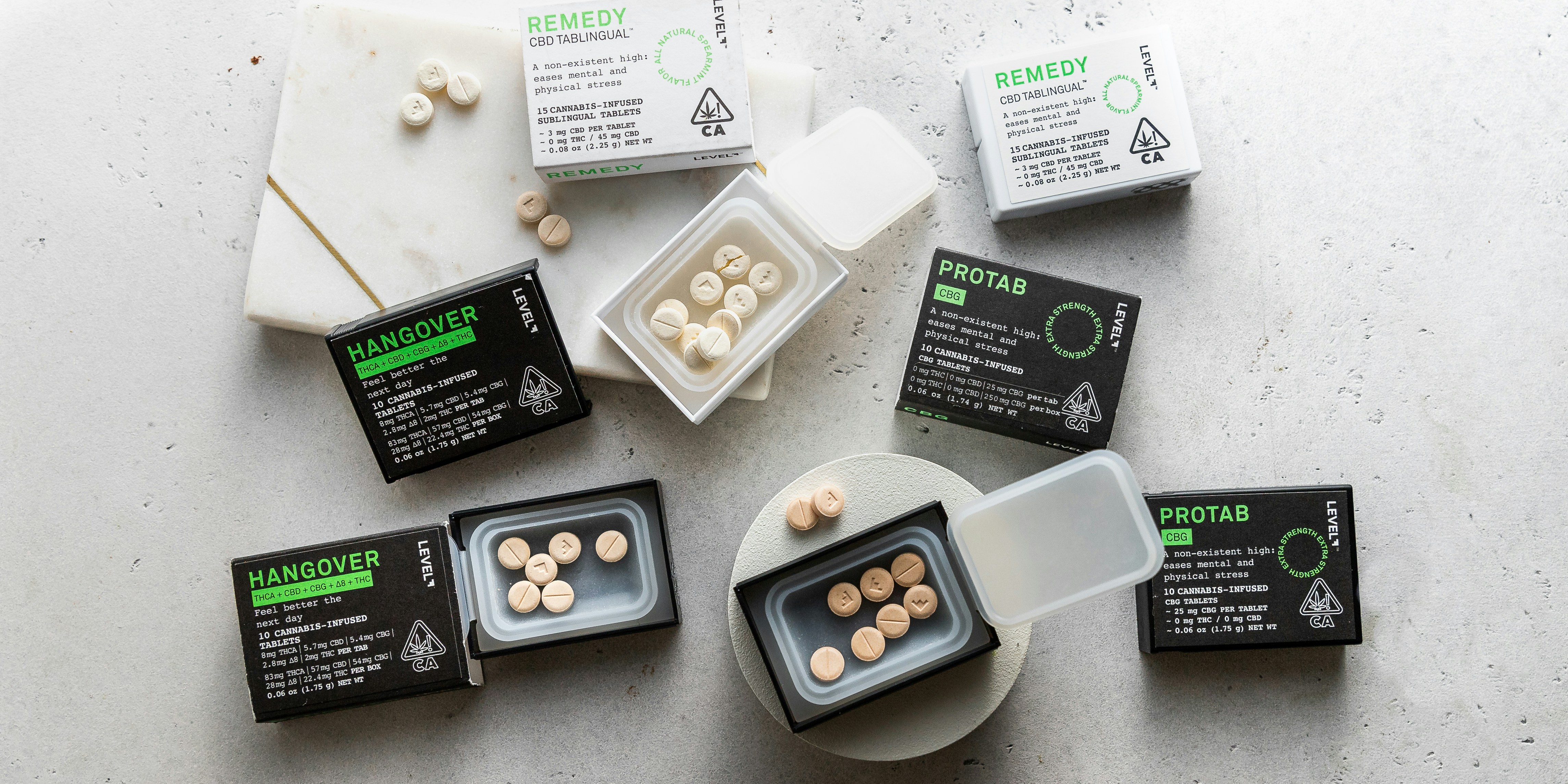
Safe Use and Consumption Methods Practical Recommendations for Raw Cannabis Juicing Decarboxylation and Vaping
Safety first: always know what you’re working with. Use lab-tested flower or concentrate when possible, store products in a cool, dark place away from children and pets, and clearly label anything you decarboxylate or infuse. “Start low and go slow” is more than a slogan-especially when THC is created from THCA by heat.Keep a notebook of doses and reactions,and avoid mixing cannabis with alcohol or unfamiliar medications until you understand how it affects you.
For raw cannabis juicing, preserve the THCA by keeping everything cold and unheated. Use fresh, well-rinsed leaves and trim, run them through a high-quality juicer or blender with ice, and consume immediately to retain nutrients. Juicing is non-psychoactive at this stage-THCA does not produce a high-so focus on small, consistent portions and watch for digestive sensitivity. If you’re sharing, offer clear portion guidance and avoid guessing concentrations.
When converting THCA into THC, controlled decarboxylation is key: low, steady heat for a set time avoids scorching and unpredictable potency. Use an oven thermometer and an airtight glass dish or silicone tray set at roughly 105-115°C (220-240°F) for 30-45 minutes, then cool and store in a labeled container. Ventilate the area,never leave decarboxylating material unattended,and calculate expected potency before dosing edibles or tinctures. The table below summarizes practical differences:
| Method | Heat Needed | Onset | Notes |
|---|---|---|---|
| Raw juicing | None (cold) | Immediate (nutritional) | Non-psychoactive; preserve THCA |
| Decarboxylation (edibles) | Low & slow (~105-115°C) | 30-120 min (digestive) | Measure potency; label clearly |
| vaping | Medium (160-210°C) | Minutes | Use vetted devices; avoid combustion |
Vaping provides rapid onset and dose control when you use a reputable device and appropriate temperatures. Aim for roughly 160-210°C (320-410°F) depending on the material-lower to emphasize terpenes and milder effects, higher for fuller cannabinoid release-but avoid combustion temperatures. Clean devices regularly, use proper cartridges or screened chambers, and stop if you notice irritation.In every method, careful measurement, slow titration, and respect for equipment and heat are the simplest ways to keep experiences safe and predictable.
To Wrap It Up
Like the quiet green guest at a loud party, THCA holds a lot of potential without stealing the scene – until heat or time gives it a different role. For beginners, that’s the most useful image to keep in mind: THCA is the raw form you’ll find in fresh cannabis, distinct from the psychoactive THC that appears after decarboxylation. Knowing that difference helps you choose products, ask the right questions, and understand labels with a little more confidence.
If you’re curious to explore further, do so deliberately. Check product testing and provenance, observe local laws, and consult a healthcare professional if you’re taking medications or have health concerns. When sampling new products, favor small doses and slow adjustments; careful steps are the best way to learn how something affects you.
Research on THCA is still unfolding, and new products and regulations will continue to change the landscape.keep reading, stay skeptical of bold claims, and lean on reliable sources. With curiosity and caution, THCA can be another piece of yoru knowledge toolkit – whether you’re a curious beginner or simply looking to better understand the plant.
