think of the hemp marketplace as a bustling bazaar stretched across state lines-bright stalls promising purity, low prices and the newest cannabinoid on the block: THCA. In 2024 that bazaar looks different than it did a few years ago. New products, shifting regulations, and a flood of online vendors have made finding affordable, hemp-derived THCA both easier and more confusing. This guide is your map.
In the pages ahead you’ll find a clear,practical tour of where to buy THCA without sacrificing safety for savings. We’ll separate trustworthy sellers from the noise, explain the paperwork to look for (think lab reports and transparent sourcing), and highlight how to balance cost with quality. Along the way we’ll flag legal considerations and common red flags so you don’t mistake a bargain for a gamble.
Whether you’re comparison-shopping for the best value or just trying to understand what “hemp-derived” really means in 2024, this article will give you the neutral, user-focused information you need to shop smart. No hype-just a steady compass to help you find affordable, responsibly produced THCA.
How to Read Labels and Certificates to Verify Quality on Budget THCA Purchases
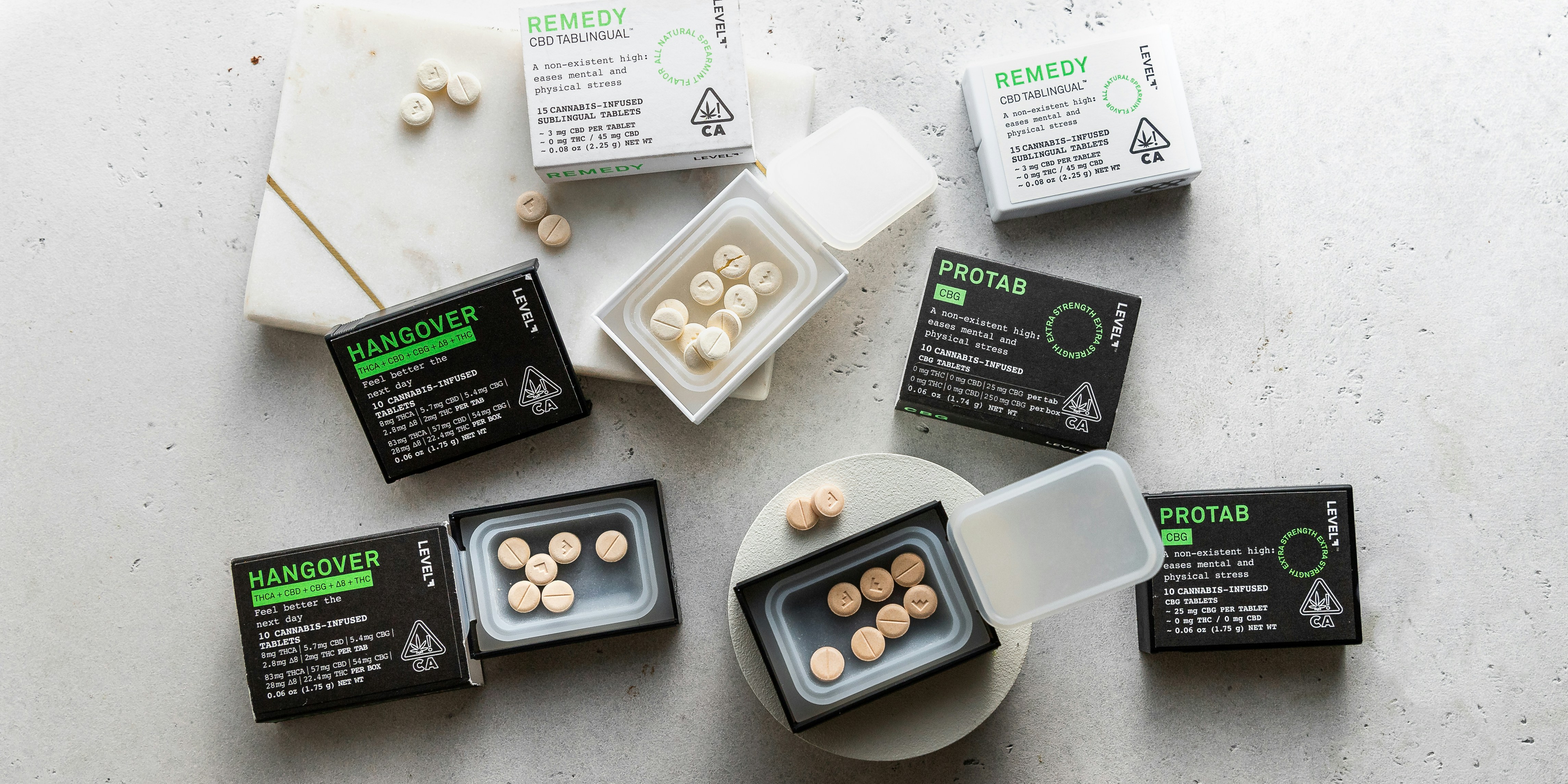
Think like a detective, not a bargain hunter. A cheap price can mask low-grade hemp or inaccurate potency claims, so the label is your first line of defense. Look for clear batch numbers, extraction methods (CO2, ethanol), and an explicit THCA percentage – not just a vague “total cannabinoids.” If a bottle boasts miracle strength but lacks dosage guidance or net weight, treat it as a red flag.
On every label you should be able to find, and quickly verify, the essentials. Check the following at a glance:
- Potency details – THCA percentage and total milligrams per serving;
- Batch/lot number – must match the COA;
- Extraction method – tells you about solvent residues risk;
- Origin & hemp source – U.S./EU-grown is often traceable.
Manufacturers that hide any of these are usually hiding something else.
Certificates of analysis (COAs) are where labels either pass or fail. A genuine COA will come from an ISO-accredited lab, show testing date, list cannabinoids with limits of detection, and include contaminant screens for pesticides, heavy metals, and microbial impurities.Scan the QR code or follow the direct URL on the label and confirm the batch number and potency numbers match exactly. Remember: THCA is not yet psychoactive until heated – look for delta-9 THC values to ensure legal compliance.
Use this swift reference to spot the major red flags and make swift decisions:
| Label/COA Element | Red Flag |
|---|---|
| Batch/Lot Number | Missing or mismatched COA |
| Potency (THCA/Δ9) | Vague “contains cannabinoids” claim |
| Contaminant Tests | No pesticide/heavy metal data |
| Lab Accreditation | Unkown lab or unverifiable report |
When label and COA align, you can buy on budget without buying trouble – prioritize transparency over hype and you’ll often find the best value.
To Conclude
As the map of hemp-derived THCA continues to redraw itself in 2024, the smartest purchases will come from a mix of curiosity and caution. Use this guide as a starting compass: prioritize sellers who publish third‑party lab reports, are transparent about extraction and sourcing, and whose customer service answers your questions before the sale.
If you’re hunting for budget-kind finds, compare per‑mg prices, watch for bulk or subscription discounts, and look for reputable sample sizes to test a brand without committing.Always verify local and federal rules where you live,and remember that the cheapest option isn’t worth it if it skips testing or hides ingredients.
buying THCA – like harvesting any new interest – rewards due diligence. Shop with your checklist, read the fine print, and choose the seller that balances safety, clarity, and value. That balance is the real bargain.