


You’ve probably seen THCA cropping up on dispensary shelves adn online menus alongside familiar names like CBD and Delta-8 – but what is it, why are people curious, and where should a beginner actually look to buy it? This guide acts as a calm, no-nonsense compass for anyone new to the compound: we’ll outline what THCA is, how it differs from othre cannabinoids, and the practical questions to ask before you make a purchase.
Think of THCA as a less-talked-about member of the cannabinoid family – full of potential, surrounded by questions, and governed by patchwork laws and varying product standards.In the pages that follow you’ll find clear signposts for reputable sources, buying considerations (testing, labeling, and openness), and how to spot red flags – all presented with the clarity a first-time buyer needs. Whether you’re exploring alternatives to Delta products or simply curious, this guide will help you shop more confidently and responsibly.

How to Read Lab Reports and Product Labels to Confirm potency and Purity
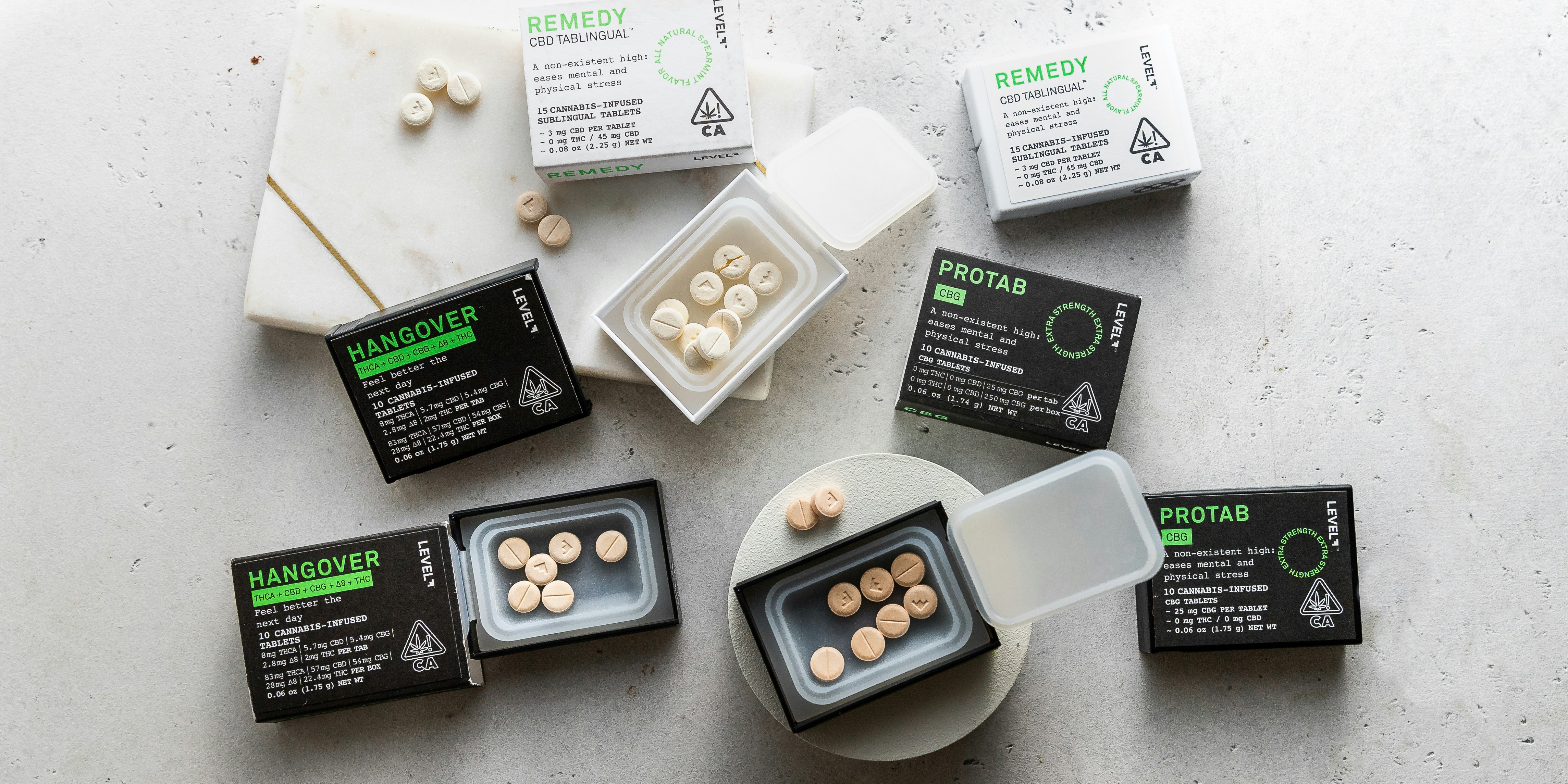
Think of the Certificate of Analysis as the product’s fingerprint – it tells you exactly what’s inside each batch. Start by locating the lab name and accreditation (look for ISO/IEC 17025 or an equivalent), the test date and the batch/lot number. A scannable QR code on the label that links directly to the COA is a strong sign of transparency; if the QR goes to a generic page or is missing, ask the seller for the specific COA before you buy.
When you open a COA, focus on a few key sections that confirm potency and purity. Check the THCA entry (often shown as mg/g and percentage), the Δ9‑THC level (to ensure legal limits), and the total cannabinoids. Scroll to contaminant panels for pesticides, heavy metals, and residual solvents. Also review the terpene profile if aroma/effects matter to you. If a value reads “ND” or “Non‑Detect,” check the lab’s Limit of Quantitation (LOQ) to understand the detection threshold.
- Potency: mg per serving and mg per gram – verify label claim matches COA.
- Compliance: Δ9‑THC must be below legal thresholds shown on COA.
- Purity: No detectable levels of banned pesticides, heavy metals, or solvents.
- Traceability: Matching batch/lot numbers between label and COA.
use this speedy reference table to compare label claims to the COA at a glance:
| Label claim | Where to Verify | What Good Looks Like |
|---|---|---|
| 1000 mg THCA per bottle | COA potency panel (mg/g × total grams) | ~980-1020 mg total across tested units = acceptable |
| <0.3% Δ9‑THC | Δ9‑THC result on COA | Reported as <0.3% or ND with LOQ stated |
| “Pesticide‑free” | Pesticide screen in contaminants section | All listed pesticides show ND or below regulatory limits |
do a little math and a reality check: convert percentages to mg/g when necessary (1% = 10 mg/g), confirm serving sizes and per‑serving milligrams on the label, and look for an expiration or stability note. If label numbers and COA numbers disagree,or if the COA lacks critical panels,consider choosing another product – a clear supplier will happily provide clarity.

Recommended online Retailers for THCA and What Each Excels at
Different online shops bring different strengths to the THCA table – some obsess over purity, others over price, and a few focus on rare formats like crystalline powders or nano-emulsions. Think of retailers as specialists: a boutique lab might offer meticulously tested concentrates, while a larger marketplace will give breadth and budget options. below are quick archetypes to help you match your priorities with the right seller:
- Boutique Labs – deep lab testing and small-batch precision.
- Marketplaces – broad selection and competitive pricing.
- Wellness Brands – curated formulations and clearer dosing guidance.
To make choices easier, here are a few recommended shops and what they excel at. The short table highlights their niche so you can quickly scan for what matters most to you.
| Retailer | Best for | Standout feature |
|---|---|---|
| LeafLab | Top-tier purity | Detailed COAs with batch photos |
| GreenVerified | Everyday value | Frequent discounts + loyalty programme |
| CalmCraft | Wellness formulations | Pre-measured tinctures and clear dosing |
Before clicking purchase, verify a few non-negotiables:
- Third-party lab reports (COAs) accessible on product pages;
- Transparent ingredient lists and clear concentration labeling;
- Customer service responsiveness – look for live chat or quick email replies;
- Clear shipping and return policies so you’re not surprised if an order is delayed or needs returning.
Small test orders are a practical way to evaluate product quality and customer service without a big commitment – then scale up once you find a seller that aligns with your needs.
legal Considerations Safety Practices and Questions to Ask Before Buying
No your local rules – laws around THCA can shift rapidly between countries, states and even municipalities. Before making any purchase, verify whether hemp-derived products are permitted where you live, whether THCA is classified differently from THC in your jurisdiction, and what the legal limits for delta compounds are. Pay attention to age restrictions, transport rules, and import/export prohibitions; what’s legal to buy in one place can be illegal to possess across a border.
Demand transparency and lab verification. Safe vendors publish recent third-party lab results (Certificates of Analysis) showing cannabinoid profiles and screening for pesticides, heavy metals, residual solvents and microbial contaminants. If a COA is not readily available or doesn’t match the product label, treat that as a red flag. Also confirm extraction methods and full ingredient lists-knowing how something was made helps you assess purity and possible allergens.
Before you click buy, ask practical, safety-focused questions. Useful things to confirm include:
- COA availability: Is the batch-tested report linked to the product?
- THCA / THC content: Exact percentages and how potency was measured.
- Source and cultivation: Where and how the hemp was grown?
- Extraction/solvent info: Was CO2, ethanol, or another method used?
- Returns & batch tracking: Can you return unopened items and trace a batch number if there’s a safety issue?
| Document | Why it matters | Where to find |
|---|---|---|
| COA | Verifies potency and contaminant testing | Product page or QR code on packaging |
| Batch number | Aids recall tracing and complaint follow-up | label or invoice |
| Company policy | Shows transparency on sourcing, returns, and age checks | FAQ / About / Terms pages |
Practice responsible storage and record-keeping. Keep products in their original, labeled containers, out of reach of children and pets, and store according to vendor recommendations (cool, dark places are common). Retain purchase receipts and COAs in case questions arise later. If you have ongoing health concerns or take prescription medications, consult a healthcare professional before using new cannabinoid products.
Key Takeaways
As you close this guide, remember that finding THCA is less about a single perfect shop and more about choosing the right path for your needs: licensed dispensaries or reputable online retailers, clear lab reports, transparent labeling, and sellers who respect local law. Treat your purchase like a small expedition – do your homework, compare certificates of analysis, read reviews, and prioritize safety over savings. If you’re unsure about legality or how THCA might interact with your health, seek local legal guidance or speak with a healthcare professional. With patience, curiosity, and a cautious approach, you can explore THCA as a Delta option responsibly and confidently.