



A new wave of cannabinoid curiosity has arrived, and at its crest sits THCA – the acidic precursor to THC that’s caught the attention of consumers, retailers, and regulators alike. For anyone navigating this evolving landscape, the map is anything but straightforward: products that look similar can carry very different legal statuses, lab results, and safety profiles.
This guide peels back the fog. We’ll explain what THCA is and how it differs from the more familiar “delta” cannabinoids,outline the legal landmarks to watch for,and point you toward the kinds of vendors and verification practices that help ensure you’re buying legally and safely. Whether you’re comparison-shopping for alternatives to delta-8/9 products or simply trying to understand your options, this piece will give you the practical checkpoints to make informed choices.
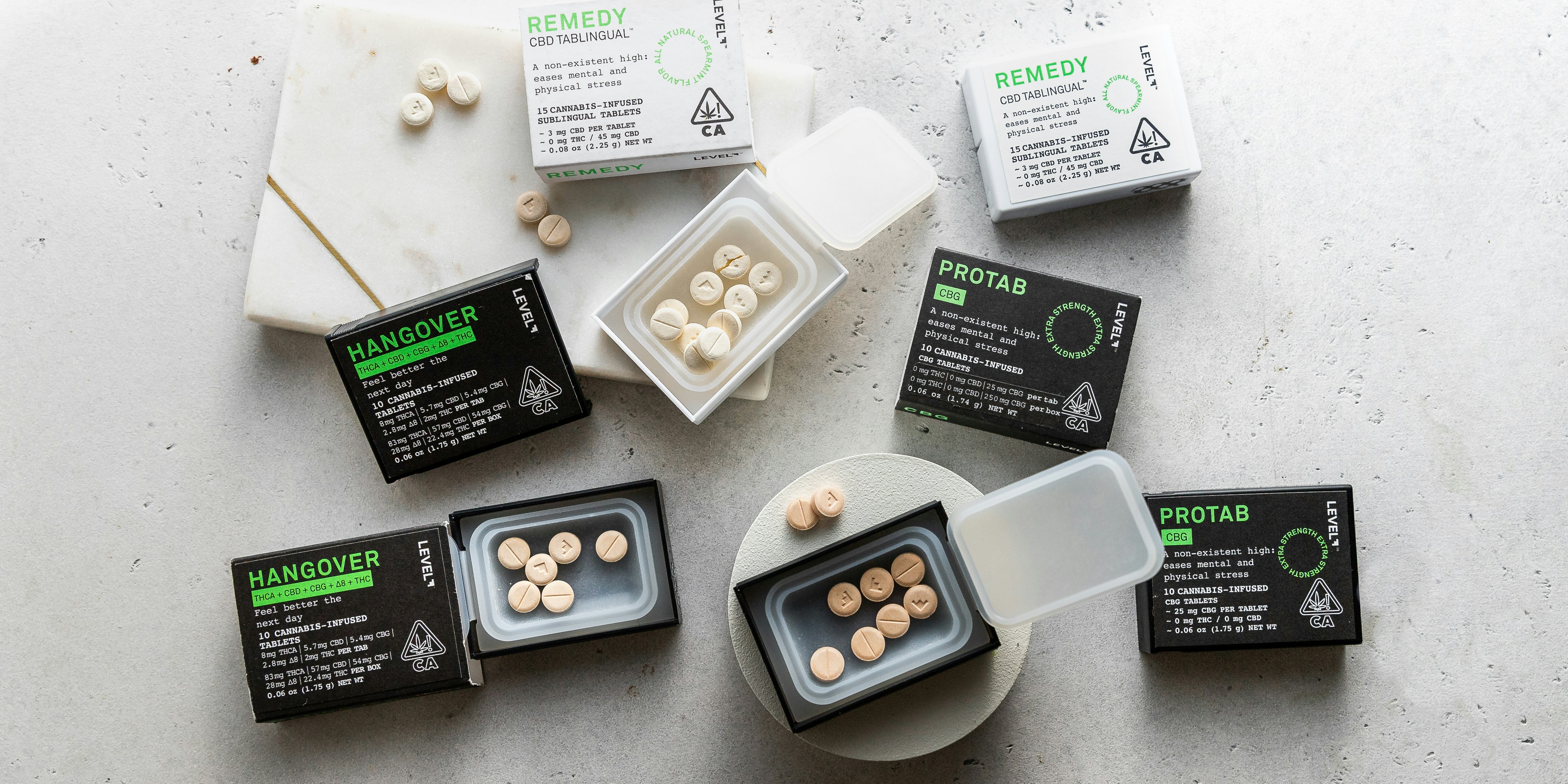
understanding THCA and how It Differs from Delta 9 and Delta 8
THCA (tetrahydrocannabinolic acid) is the raw, non‑intoxicating precursor found in fresh cannabis and hemp plants. In its natural form it carries a carboxyl group that prevents strong binding with CB1 receptors, so it doesn’t produce the classic “high” associated with smoked THC. When exposed to heat or extended aging-through smoking, vaping, or decarboxylation for edibles-THCA loses that carboxyl group and becomes Delta‑9 THC, which is psychoactive.Many users seek THCA for its potential wellness attributes while avoiding immediate intoxication, or as a component of full‑spectrum products were the plant’s chemistry is preserved.
Chemically, THCA is distinct from both Delta‑9 and Delta‑8 THC. Delta‑9 and Delta‑8 differ only by the position of a double bond (on the 9th or 8th carbon), which makes Delta‑9 typically more potent and Delta‑8 somewhat milder and less anxiety‑inducing for some consumers. THCA’s extra acidic moiety makes it a different molecule entirely-one that rarely crosses the blood‑brain barrier until converted.Research into THCA’s anti‑inflammatory, antiemetic, and neuroprotective potential is growing, but clinical evidence is still limited compared with studies on Delta‑9.
When you’re comparing legal and practical differences, a few rapid considerations stand out:
- Testing and labeling: Some labs report THCA separately, others convert THCA to its Δ9 equivalent for legal totals-know the lab method.
- Consumption risk: Heating THCA can unintentionally create Delta‑9; raw or cold preparations preserve the acid form.
- Regulatory nuance: Hemp laws frequently enough reference Δ9 THC limits, but enforcement varies when THCA is present.
- Product types: THCA is found in raw flower, live rosin, and specialized extracts rather than in moast synthesized THC analogs.
| Property | THCA | Delta‑9 | Delta‑8 |
|---|---|---|---|
| Psychoactivity | Non‑intoxicating (unless heated) | Strongly intoxicating | Milder, sedating for some |
| Common source | Raw flower, live extracts | Flower, concentrates, edibles | Converted from CBD or hemp THC |
| Legal nuance | Varies; frequently enough ambiguous | Strictly regulated | Gray area in many regions |
Choose products with clear COAs and clear lab methods so you know whether a THCA product will remain non‑psychoactive or become delta‑9 when used.

Navigating the Legal Landscape for THCA, State Regulations, Federal Guidance and International Considerations
At the federal level the map is more fog than freeway. The 2018 Farm Bill opened a legal door for hemp and hemp-derived compounds by defining hemp as cannabis with no more than 0.3% Δ9-THC on a dry-weight basis, but it did not squarely address acid forms like THCA. Regulatory agencies such as the DEA and FDA have issued piecemeal guidance focused on Δ9-THC and CBD, leaving THCA in a gray area-especially as THCA can convert to psychoactive Δ9-THC when heated. the practical effect: sellers and buyers must treat federal tolerance as conditional,hinging on lab-tested potency,clear labeling,and how a product is marketed and used.
Across states, rules splinter into a mosaic. Some states explicitly list THCA or “all tetrahydrocannabinols” as controlled,others treat hemp-derived cannabinoids as legal,and a handful require additional licensing or testing protocols. Before purchasing, do these three things:
- Verify the COA (Certificate of Analysis) for Δ9-THC content and residual solvents.
- Confirm state-specific language-search your state’s cannabis or agriculture statutes for “THCA,” “tetrahydrocannabinols,” or “hemp products.”
- Buy from transparent vendors that provide batch numbers, third-party lab results, and clear usage instructions.
These steps won’t remove legal risk, but they dramatically reduce it and help you spot companies that take compliance seriously.
Cross-border and travel implications add another layer. Many countries treat any THC isomer-acidic or not-as a controlled substance, so importing THCA, shipping it across state lines, or carrying it on international trips can trigger seizures, fines, or criminal charges. Even within countries that permit hemp, customs agencies may not differentiate between raw hemp and THCA concentrates. If you plan to move product or travel with it, check customs rules, airline policies, and municipal ordinances; when in doubt, assume stricter enforcement prevails.
| Jurisdiction | Typical Status |
|---|---|
| Federal (U.S.) | Conditional – hemp rules apply, ambiguity remains |
| California | Permissive with testing and labeling |
| Texas | restrictive – broader THC bans possible |
| European Union | Varies by country; many ban THC isomers |
| Canada | Regulated under cannabis framework |

Choosing the Right THCA product for You, Flower, Isolates, Tinctures, Concentrates and Practical Dosing Tips
Think of your THCA purchase like picking a tool for a job: the flower gives immediacy and ritual-easy to roll, smoke or vaporize-but remember heat converts THCA into THC, so the experience can become psychoactive. Isolates are the scalpel: odorless, crystalline, and perfect for precise measurements or mixing into foods and topicals. Tinctures sit in the middle ground: discreet, portable, and excellent for sublingual dosing or mixing into a drink. Concentrates pack the punchiest delivery, ideal for experienced consumers who want high potency in tiny amounts.
Isolates shine when control and consistency matter. Becuase they’re nearly pure THCA,you can measure milligrams on a small scale,create uniform edibles,or blend them into lotions. The trade-off is fewer terpenes and less of the natural entourage effect-so if you chase flavor profiles or a nuanced high, you might miss the complexity of whole-plant products. For newcomers, isolates are also forgiving: start with a tiny measured amount and build up rather than guessing by eye.
Tinctures and concentrates demand respect. A sublingual tincture offers a predictable onset (often 20-45 minutes) and is discreet for daytime use, while concentrates used in vaporizers or dabbing rigs hit fast and strong-onset in seconds to minutes, duration shorter but intense. If you vape, choose clean hardware and temperature control to reduce unwanted byproducts. For edibles, remember decarboxylation and metabolism change both onset and length of effect: edible THCA (decarbed to THC) will take longer but last much longer.
Practical dosing tips:
- Start low, go slow: begin with 1-5 mg for isolates/tinctures and 1-2 small puffs for flower-wait at least 90 minutes before increasing.
- Measure precisely: use a digital scale or calibrated dropper to avoid surprises.
- Keep a log: note dose, method, and effects so you can fine-tune future sessions.
- Respect concentrates: they’re for experienced users-use smaller, controlled doses.
| Form | Onset | Duration | Starter Dose |
|---|---|---|---|
| Flower (vaped/smoked) | 2-10 min | 1-3 hrs | 1-2 small puffs |
| Isolate (oral) | 15-60 min | 2-6 hrs | 1-5 mg |
| tincture (sublingual) | 20-45 min | 3-6 hrs | 2.5-5 mg |
| Concentrate (vape/dab) | Seconds-minutes | 1-4 hrs | Trace to 2 mg |
Future Outlook
As you weigh your options for THCA and other delta alternatives, remember that knowledge is your best compass. the landscape is evolving – what’s legal and reputable today can change tomorrow – so lean on verified lab reports, transparent vendor practices, and the letter of the law in your jurisdiction.
Prioritize safety over novelty: choose vendors who publish third-party testing, respect age and purchase regulations, and offer clear product facts. If you’re unsure about interactions, effects, or legality, consult a qualified professional before buying.
Ultimately, finding the right product is as much about careful research as it is indeed about preference. Stay curious, stay cautious, and let legality and quality guide your decisions as you explore alternatives in this shifting marketplace.

