


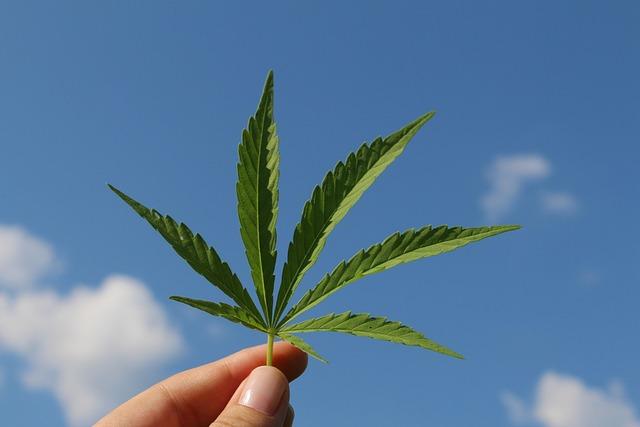
In 2024, THCA – the acidic precursor to THC found in hemp – is stepping into the spotlight as growers, makers and curious consumers look beyond the familiar cannabinoids to the plant’s subtler chemistry.Equal parts science and speculation, this molecule sits at a crossroads: raw and non-intoxicating in the living plant, chemically poised to become something different when heat or time intervene. That tension makes THCA both intriguing and tricky to understand.
This article navigates the emerging conversation around hemp-derived THCA, separating early research and anecdote from oversimplified claims, and mapping the practical ways people are using it today. From tinctures and topicals to raw flower and culinary experiments, THCA is being incorporated into routines and products – but always against a backdrop of evolving regulation, laboratory testing, and consumer caution.
You’ll find here a clear-eyed look at what we no (and don’t yet know) about THCA in 2024: the science under review, the marketplace innovations, and straightforward considerations for safe, informed use. Whether you’re a curious buyer, a product developer, or a health-conscious reader, this introduction sets the stage for a practical, evidence-minded exploration of hemp THCA’s potential and limits.
Effective Dosage, Consumption Methods and Integrating THCA into Daily Wellness
When exploring THCA, the guiding principle is Start low, go slow.Individual sensitivity varies with body chemistry, product potency and previous cannabinoid experience. A practical framework some users follow is microdosing (about 1-3 mg THCA), low dose (5-10 mg), and moderate dose (10-25 mg); though, these are generalities, not prescriptions. Always verify lab potency on the product label, keep a simple dose journal for a week and consult a healthcare professional if you have underlying conditions or take medications.
Different delivery methods change how THCA behaves in the body.Heat converts THCA into THC (decarboxylation), so if you want to avoid psychoactive effects, avoid smoking, vaping or cooking at high temperatures. Consider these options:
- Raw/Cold Preparations: Juices, tinctures or cold-pressed extracts preserve THCA without creating THC.
- Sublingual Tinctures: Faster onset than edibles and easier dose control; good for titration.
- Topicals: Applied directly for localized relief and no systemic psychoactive effect expected.
- Edibles (decarbed): Longer-lasting effects but higher potential to convert to THC – suitable if psychoactivity is intended and expected.
integrating THCA into daily wellness is about ritual, consistency and data. Build small experiments into your routine: try a microdose with breakfast for a week, swap a topical into your post-workout recovery, or use a sublingual at bedtime for two weeks and note changes. Helpful habits include labeling containers with dose and time, pairing intake with stable habits (like after tea or brushing teeth), and avoiding mixing with alcohol or sedating medications. Remember to check product origin, lab tests and local regulations – clarity on legality and quality protects both effects and reputation.
| Method | typical Onset | Duration | Starting Amount | Notes |
|---|---|---|---|---|
| raw tincture | 15-45 min | 3-6 hrs | 1-5 mg | Preserves THCA; good for microdosing |
| Sublingual | 10-30 min | 4-8 hrs | 2-10 mg | Fast, controllable |
| Topical | 5-20 min | 2-6 hrs | Varies by product | Localized effect; non-psychoactive |
| Edible (decarbed) | 30-120 min | 6-12+ hrs | 5-20 mg | May convert to THC – plan accordingly |

Innovative Applications and DIY Use Cases with Responsible Best Practices
Think of THCA as a creative building block for modern craft apothecaries: it opens doors to gentle, non-intoxicating preparations when handled with care. Home makers are exploring cold‑infused oils, topical salves, and botanical tinctures that aim to preserve THCA by avoiding heat that causes decarboxylation into THC. Beyond personal care, THCA can be incorporated into artisanal bath products, fabric‑infused sachets, and carefully labeled culinary garnishes – always with an eye toward safety and legality.
Practical DIY projects are best approached as small experiments with clear protocols and modest batches. Examples include:
- Cold‑infused carrier oil: gently macerate raw hemp flower in olive or MCT oil at room temperature for days, then strain to keep THCA intact.
- Topical salve: blend cold‑infused oil with beeswax and soothing botanicals; cool slowly and store in opaque jars.
- Sublingual tincture (solventless): use glycerin or vegetable glycerin extractions for a low‑heat approach suitable for controlled dosing experiments.
- Bath and body craft: fold measured cold extracts into body butters or bath bombs – label clearly and test small patches first.
| DIY Project | Key Safety Tip |
|---|---|
| Cold‑infused oil | Keep below 100°F and store refrigerated |
| Topical salve | Patch test and use childproof containers |
| Glycerin tincture | Label potency and avoid heat exposure |
Responsible best practices are essential: source hemp from reputable suppliers, insist on third‑party lab testing for cannabinoid profiles and contaminants, and comply with local laws. Maintain clear labels that note whether the product contains raw THCA or has been decarboxylated into THC, and keep any experimental batches small, securely stored, and out of reach of children and pets.
cultivate a culture of transparency and sustainability: favor organic cultivation, share tested recipes within small, informed communities, and avoid making health claims. Embrace documentation – simple batch logs, supplier invoices, and lab reports – so every handcrafted creation is traceable, responsibly made, and clearly communicated to anyone who might use it.
Final Thoughts
As hemp science turns another page in 2024,THCA has moved from niche curiosity to a subject of serious attention – both in labs and on store shelves.What sets it apart is not a single spectacular claim but a collection of emerging signals: a distinct chemical profile, a range of new product formats (raw preparations, tinctures, topicals and cold-processed extracts), and an evolving body of preliminary research and anecdotal reports that invite further study. Crucially,THCA’s non‑intoxicating character and its sensitivity to heat (the reason decarboxylation produces THC) mean its uses and effects are different from those of familiar cannabinoids,which reshapes how consumers and makers approach formulation,dosing and marketing.For readers and buyers, the practical takeaway is straightforward and cautious: stay curious but critical. Look for obvious labeling and third‑party lab results, confirm product legal status in your jurisdiction, and discuss use with a healthcare professional when it might intersect with medications or health conditions. Manufacturers and researchers should prioritize rigorous testing and clear communication so the market can mature responsibly.
THCA’s story in 2024 is less a climax than the opening of a chapter – one where careful science, thoughtful regulation and informed consumers will determine whether this compound merely follows hemp’s long arc of reinvention or becomes a durable part of its future. Either way, the next steps will be defined by evidence, not headlines, and those who pay attention now will be best placed to separate promising potential from passing trends.

