


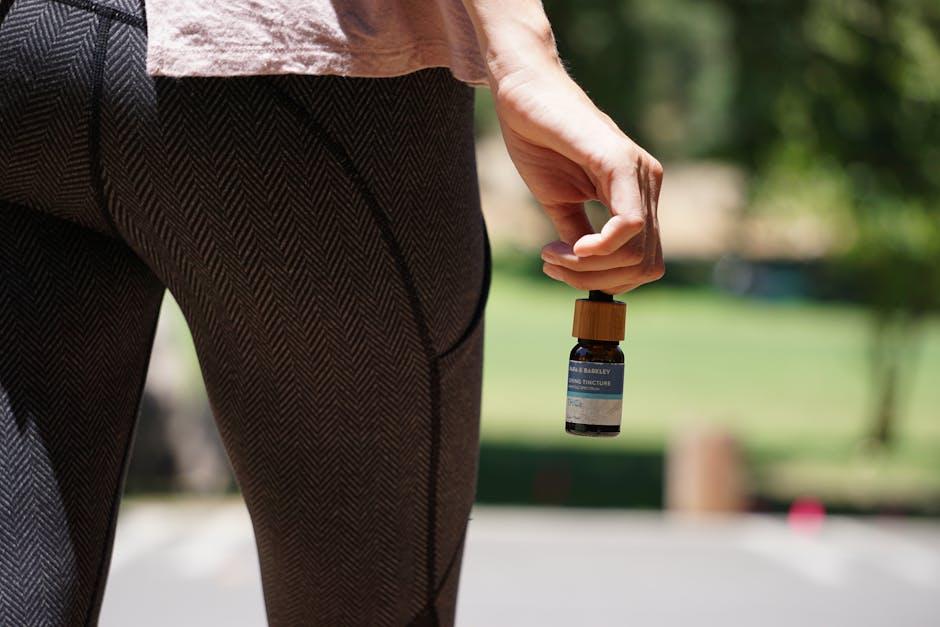
By 2025, premium THCA rosin has moved from niche curiosity to centerpiece of the concentrate scene – prized not only for its elevated potency but for the way it preserves and amplifies the plant’s nuanced flavors. This guide steps into that world: a map of terpenes, textures, and aroma profiles where craftsmanship and cultivar meet to create concentrates that are as expressive as they are powerful. Expect descriptions that read like tasting notes, with an eye for how lineage, curing and finishing influence the final bouquet.
Neutral and sensory-focused, this guide isn’t about techniques or dosing; its about thankfulness. Whether you’re a curious newcomer or a seasoned connoisseur, you’ll find a clear, flavorful orientation to the standout THCA rosins of 2025 – what distinguishes citrus-forward cuts from dank, hash-like pulls, how mouthfeel complements aroma, and which profiles pair best with different preferences. Note: legal status and availability vary by jurisdiction; consult local regulations before purchasing.
Understanding 2025 Premium THCA rosin: Potency Metrics,Purity Standards and Why they Matter
Potency isn’t just a number on a jar-it’s the roadmap to how THCA rosin will perform.Labs report raw THCA percentage, expected THC after decarboxylation, and total cannabinoid content; together these metrics tell you both the immediate cold-use potency and the potential strength if heated. Equally vital are terpene totals and profiles: a rosin with 2-5% terpenes will taste and hit very differently from one with 0.5%, even if their cannabinoid percentages match.Think of THCA percentage as the engine size and terpenes as the tuning that turns horsepower into character.
Purity standards separate artisanal rosin from mass-produced concentrates. Because rosin is solventless, the focus shifts to cultivation-derived contaminants and processing cleanliness. A trustworthy product comes with a clear COA showing:
- THCA/THC and total cannabinoids – potency and conversion expectation
- Terpene profile – flavor fingerprint and expected aroma
- Residual solvents – should be non-detect (ND) for rosin
- Pesticides, heavy metals, and microbials – safety essentials
Why care? Because these metrics drive predictable dosing, user safety, and sensory quality. High potency without a balanced terpene bouquet frequently enough feels one-dimensional; conversely,an optimally preserved terpene profile can enhance perceived strength and therapeutic nuance. Rigorous purity standards also protect consumers from long-term exposure risks and ensure compliance with labelling laws-critical for retailers and connoisseurs alike.
Quick reference-typical market tiers:
| Tier | THCA | Total Terpenes | Purity Markers |
|---|---|---|---|
| Connoisseur | >90% | 2-5% | Full COA, ND solvents, clean grow |
| High-Potency | 75-90% | 1-3% | COA, low contaminants |
| Standard | 50-75% | 0.5-1.5% | Basic lab screening |

Terpene Signatures to Seek: Flavor Notes, Aroma Profiles and How They Shape the High
Think of terpenes as the culinary herbs of cannabis – they season the experience before the cannabinoids finish the course. Dominant signatures like Myrcene bring earthy,musky mango notes that often cue a heavy,soporific feel,while Limonene cuts citrus-radiant and can tilt a session toward uplift and clarity. Floral linalool soothes with lavender whispers, and spicy Caryophyllene adds peppery warmth that interacts uniquely with the body’s receptors. These aromatic fingerprints are the quickest way to predict whether a high will settle you into the sofa, boost creativity, or simply smooth the edges of an evening.
The shape of the high is rarely driven by a single terpene – it’s the blend that matters. Think in terms of accents: a dash of Pinene can sharpen focus in an otherwise relaxing rosin, while a touch of Humulene suppresses appetite and tempers excess couch-lock. Below are practical signature cues to look for when selecting premium THCA rosin:
- Bright Citrus (Limonene) – energizing, talkative, daytime-kind.
- Herbal/Pine (Pinene) – alert, focused, great for tasks.
- Earthy/Mango (Myrcene) - heavy, sedating, evening relaxation.
- pepper/Spice (Caryophyllene) – balanced warmth, anti-inflammatory notes.
- Floral/Lavender (Linalool) – calming, anxiolytic, sleep-promoting.
| Terpene | Flavor & Aroma | Typical High |
|---|---|---|
| Limonene | Citrus, zesty | Uplifted, clear |
| Myrcene | Mango, earthy | Deep, sedative |
| Pinene | Pine, fresh | Alert, focused |
| Caryophyllene | Pepper, spicy | Warm, balanced |
When shopping, read labels for terpene percentages and sample aroma notes if possible – boutique rosins will often list a dominant terpene trio. Pair terpene profiles with yoru intended session: choose citrus-forward rosin for creative daytime use, or linalool-rich batches when you want to unwind. remember that temperature and consumption method reveal different terpene layers; lower dab temps preserve volatile florals,while higher heat emphasizes heavier,resinous notes. Use that knowledge to curate flavor-first, effect-minded experiences every time.
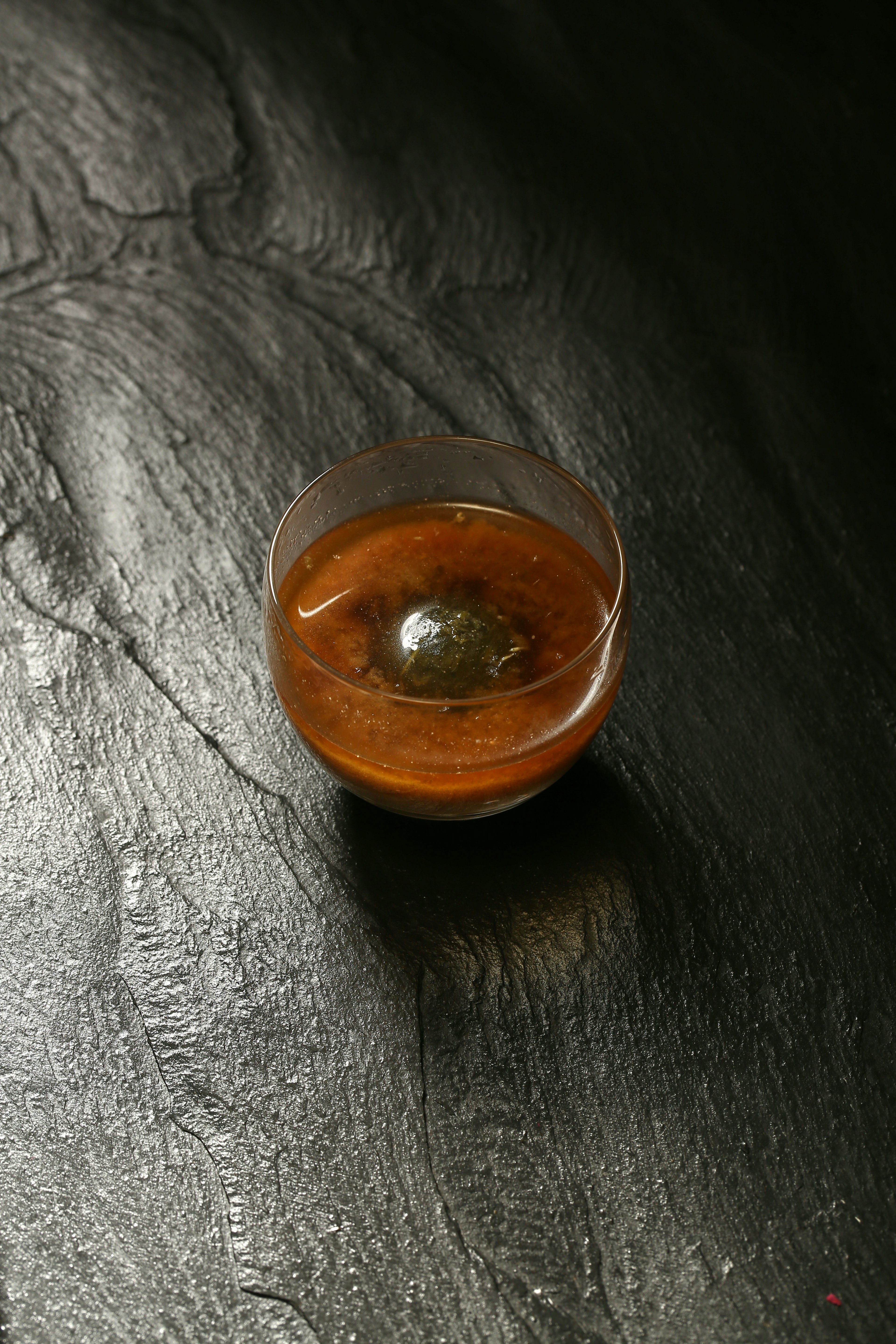
Extraction and Curing Advances That Preserve Maximum THCA and True Terpene Character
Modern solventless workflows are redefining what ‘high-potency’ means by keeping THCA intact and terpenes vivid. Cold-chain handling-from harvest to press-has become standard: flash-freezing flower or bubble hash immediately after harvest locks terpenes and prevents decarboxylation. On the pressing bench, micro-controlled heat profiles, shorter dwell times and variable-pressure presses allow artisans to extract rosin at temperatures low enough to preserve fragile monoterpenes while still liberating concentrated THCA. Innovations like cryo-hashed inputs, pulsed-pressure cycles, and inert-atmosphere presses reduce oxidative loss and deliver rosin that tastes closer to the live plant than ever before.
Curing has also evolved from “jar it and wait” to a science-forward step that actively protects flavor. Controlled humidity chambers and low-temp, slow-aging protocols let terpenes re-equilibrate with the concentrate, smoothing harsh volatiles and preserving bright top notes. Many producers now use short vacuum purges or gentle inert-gas blanket curing to remove unwanted volatiles without stripping the aromatic profile-keeping the cannabis chemotype intact while stabilizing texture and shelf life. Light- and oxygen-blocking packaging finish the process, preserving the delicate bouquet for the consumer.
- Cold chain: Flash-freeze at harvest to retain volatile terpenes.
- Low-temp pressing: 50-80°C (120-175°F) with short dwell times to avoid decarboxylation.
- inert curing: Nitrogen or argon blankets and low-vacuum purges preserve aroma without degradation.
- Analytical QC: routine GC-MS terpene profiles and THCA quantification ensure consistency.
| Technique | Primary Benefit | Typical Outcome |
|---|---|---|
| Flash-freeze | Terpene capture | Vibrant, live-like aroma |
| Cold-pressing | THCA preservation | Higher THCA; lower decarb |
| Vacuum cure | Clean mouthfeel | Smoother finish; stable texture |
Storage, Handling and Serving Tips to Maintain Peak Flavor and Potency
Store rosin like you would a fine perfume: out of light, away from heat, and tightly sealed. Glass jars (amber or dark-tinted) with airtight lids are ideal; they keep oxygen and UV rays at bay while avoiding the terpene-sapping interaction that some plastics and silicones can cause. For short-term use, a cool, dark cupboard at a consistent temperature works well. For long-term preservation, wrap small portions in parchment, place them in a sealed glass container and keep them in the freezer – thaw completely before opening to prevent condensation and terpene loss.
Handle with minimal fuss. Use a clean dab tool or PTFE-tipped spatula to transfer small amounts, and touch the concentrate as little as possible so body heat doesn’t soften or smear it. When moving jars from cold storage, let them stabilize at room temperature while sealed; that avoids moisture forming on the surface. If you’re packaging single doses for travel or gifting, consider pre-portioning on parchment squares and storing them flat in a snug, dark box.
- Air exposure: limit it – oxygen oxidizes and dulls both potency and flavor.
- Light protection: amber glass or opaque containers preserve delicate terpenes.
- Temperature stability: avoid repeated warm/cold cycles; consistency is key.
- Clean tools: wipe or swap dab tools between strains to keep flavors pure.
| Storage Type | Temp | Best for |
|---|---|---|
| Counter/Closet | 15-22°C / 60-72°F | Weekly use |
| Fridge (not ideal) | 4-8°C / 39-46°F | Short-term only |
| freezer | −18°C / 0°F | Long-term storage |
When it’s time to serve, think low and slow for the best flavor: aim for a flavor-preserving temperature window around 300-380°F (150-193°C). Lower temperatures highlight terpenes and give a smoother, aromatic experience; higher temps vaporize more cannabinoids quickly but can flatten nuance. For dabbing devices, preheat modestly, place on the concentrate, allow a gentle draw rather than an aggressive pull, and avoid reheating the same portion repeatedly – fresh, single applications preserve the original profile. If you plan to convert rosin into an infused product, remember that decarboxylation changes THCA into THC and will alter both effects and taste, so dose and process accordingly.
The Way Forward
As 2025’s rosin scene continues to refine both potency and palate, the journey from leaf to glassine has become as much about terpene artistry as it is about strength. Whether you chased this guide for flavor notes, strain pairings, or simply to understand what “premium” now means, the picture is clearer: high-potency THCA rosin is no longer just about the kick – it’s about a curated sensory experience.Taste with intention and curiosity. Look for lab-verified COAs, clear sourcing, and producers who treat terpenes with the same care they give to extraction. those details separate a fleeting buzz from a memorable tasting, and they help you navigate the spectrum of rosin offerings with confidence.
As innovation shapes the market this year, let your preferences lead the way. Keep an open palate, respect potency, and explore responsibly – the best rosin is the one that aligns with what you value: flavor depth, consistency, and peace of mind.

