



In a marketplace crowded with mass-produced options, the artisanal 1g THCa preroll arrives like a small, purposeful act of craftsmanship – a single gram rolled with as much attention as a sommelier gives a glass of vintage wine. It’s less about size and more about intention: curated flower, careful trimming, and an eye for terpene-forward profiles that promise a nuanced aroma and taste. For aficionados and curious newcomers alike, these micro offerings represent a return to detail and provenance in a category too often reduced to potency numbers.
This article peels back the paper to examine what “top‑shelf” truly means for a 1g THCa preroll. We’ll look beyond labels to the sensory elements – texture, aroma, flavor – as well as the craftsmanship that shapes the smoking experience: from hand-rolling techniques and strain selection to packaging, lab testing, and clarity. Along the way we’ll consider how small-batch production affects consistency, value, and appeal in legal markets.
Whether you’re exploring the product as a collector of rare finds or simply seeking a more refined, flavor-forward option, this piece aims to provide an even-handed guide to evaluating artisanal prerolls – what to look for, what matters, and how quality shows up in a single gram.
Terpene Driven aromas How to Read Flavor Notes and Pick your Ideal Profile
Think of terpenes as the perfumers of the plant world – tiny aromatic molecules that paint each inhale with distinctive colors: citrus, pine, spice, diesel, or floral. They live in the same resin glands that hold cannabinoids, and even when present in small amounts they sculpt the palate and hint at the overall experience. Learning to read those flavor notes is less about memorizing chemistry and more about tuning your nose to patterns: sparkling top notes, buttery mids, and lingering earthy bases.
Start by scanning the label or menu for descriptive tags and the dominant terpenes. Look for familiar names like limonene (bright, lemony), myrcene (herbal, musky), and caryophyllene (peppery, spicy). Think in layers: a strain that lists citrus and pine may deliver an uplifting, clean-smelling smoke, while one that leans toward berry and earth often reads as mellow and grounding. Don’t forget that terpene interactions are subtle – two similar profiles can feel different depending on cannabinoid balance and how the flower was cured.
When choosing your ideal profile, trust your senses and your intended vibe. Consider these quick selection cues:
- daytime clarity: crisp citrus, herbal, or floral notes (limonene, pinene).
- evening wind-down: deeper, resinous aromas such as myrcene and linalool.
- Balanced social sessions: spicy or peppery accents from caryophyllene for an assertive, focused presence.
- try mini-samples: small sessions help map how aroma translates to effect without committing.
| Terpene | Common Notes | Profile Cue |
|---|---|---|
| Limonene | Citrus, bright | daytime, uplifting |
| Myrcene | Earthy, herbal | Relaxed, cozy |
| Caryophyllene | Pepper, spice | Focused, bold |
| Linalool | Floral, lavender | Soothing, floral |
Rolling Craftsmanship Techniques That Ensure Even Burn Smooth Draw and Preserved Flavor
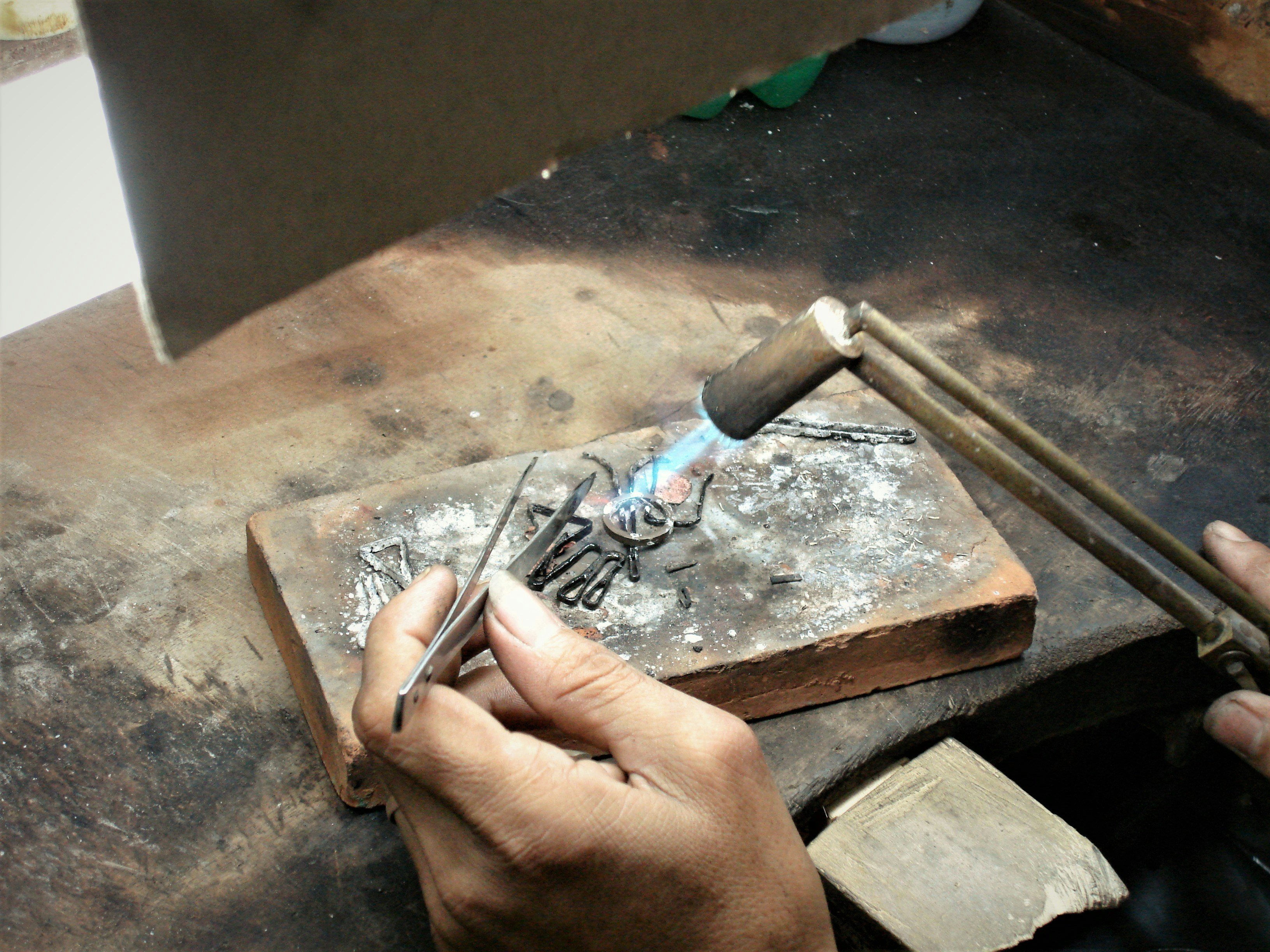
Every finished preroll is the sum of tiny choices – the grain of the paper, the angle of the tuck, the thickness of the crutch. Skilled rollers favor thin, unbleached papers that breathe just enough to promote an even ember without siphoning terpenes. Filters are engineered with airflow in mind: a snug crutch stabilizes the column, while a tapered mouthpiece guides a steady, effortless draw. When each element is considered,the result is a burn line that proceeds uniformly and a mouthfeel that reveals nuanced flavors rather than masking them.
Consistency comes from measured handling. Flower is fluffed to restore individual trichome-rich buds, then metered into precise micro-portions so density is uniform from tip to filter. Rollers use gentle, rhythmic tamping instead of heavy compression – this keeps the chamber continuous, prevents canoeing, and preserves volatile aromatics. The final finish is a subtle twist or cap applied with a soft fingertip that seals the seam without constricting airflow.
Terpene preservation starts before the roll. Curing and humidity control determine whether those delicate floral and citrus notes survive to the consumer. craftsmen store material at stable RH levels and avoid over-drying; some teams lightly mist papers or use a micro-humidification step to prevent harshness. Packaging choices – snug, opaque tubes with desiccant-free seals – keep the same profile intact until lighting, so the first draw tastes like the last.
Best practices in the atelier include:
- Paper selection: choose neutral, low-porosity papers.
- Even metering: portion by weight for repeatable density.
- Gentle tamping: maintain continuity without crushing trichomes.
- Filter engineering: optimize for airflow and flavor preservation.
| Element | Benefit |
|---|---|
| Thin unbleached paper | clean taste, balanced burn |
| Tapered crutch | smoother draw, reduced clogging |
| Micro-metering | Predictable burn rate |
| Controlled cure | terpene integrity |

Storage Protocols to Maintain Potency Freshness and Aromatic integrity
Think of the jar as a tiny cellar: the fewer variables inside, the longer the terpenes and thca remain true to the flower. Keep stored prerolls cool (ideally between 15-21°C) and away from direct light; UV both fades color and degrades cannabinoids. Oxygen is a slow thief-limit air exposure with tight-sealing vessels and consider small-batch storage so you’re not repeatedly opening large containers. Target relative humidity sits around 58-62% RH to keep the joint springy and aromatic without inviting mold.
Choose materials that are inert and impenetrable to scent migration. Glass-especially amber or opaque-tops the list for preserving aromatic integrity,with food-grade silicone lids or rubber gaskets helping create a near-airtight environment. Avoid thin plastics that can leach flavors and let terpenes evaporate; skip the freezer, too, as freezing makes trichomes brittle and more likely to shear off. For day-to-day care, rely on trusted humidity packs rather than improvised solutions.
- Seal tightly: Mason or amber glass with gasketed lids.
- Humidity control: 58-62% RH packs (Boveda/Integra-style).
- Protect from light: Store in a dark cabinet or opaque box.
- Minimize oxygen: Small jars, vacuum or nitrogen-flush for long-term.
| Method | Best for | aroma preservation |
|---|---|---|
| Amber glass + 62% RH pack | Everyday, small batches | Excellent |
| vacuum seal + N2 flush | Long-term vaulting | Superior (minimal loss) |
| Mylar short-term pouch | Transport & brief storage | Good, but temporary |
adopt a practice of gentle monitoring: keep a small hygrometer in your stash box, rotate stock by date, and sniff/feel before use. Loss of snap or a muted aroma are early signs of terpene depletion or moisture drift. With minimal fuss-right container, right humidity, cool and dark-you’ll keep that artisanal 1g preroll tasting like the top-shelf craft it was rolled to be.
Tasting Guide and Pairing Recommendations for Elevated Flavor Forward Sessions
Begin with your senses, not your schedule. Inspect the burn and ash for an even, slow ember; bring the preroll to your nose and take a tentative inhale of the aroma – musk, citrus, pine, or sweet vanilla can all appear in the first impression. when you take your first draw, practice a measured rhythm: a moderate inhale, a gentle hold for a heartbeat, then a smooth exhale. Try retrohaling (briefly exhaling through the nose) to unlock under-the-surface terpenes that reveal floral or spicy undertones. Keep a notebook nearby – short notes like “bright lemon, velvety finish” will train your palate faster than repeated sessions without reflection.
Translate sensations into pairings that either amplify or contrast the preroll’s character. For citrus-forward profiles, reach for sharp cheeses or candied ginger to heighten acidity; for earthy, piney notes, pair with smoked almonds or a slice of Manchego to deepen resinous tones. Sweet, dessert-like aromatics pair beautifully with dark chocolate or dried figs. Below are quick pairing archetypes to guide a flavor-forward session:
- Bright/Citrus: candied ginger, lemon shortbread
- Earthy/Pine: smoked nuts, aged cheese
- Sweet/vanilla: dark chocolate, toasted coconut
- Spicy/Herbal: olives, rosemary crackers
| Flavor Family | Snack | Beverage |
|---|---|---|
| Citrus & Floral | Honeyed goat cheese | Chamomile tea or sparkling water with lime |
| Earthy & Resinous | Smoked almonds | Amber ale or single-origin coffee (low roast) |
| Sweet & Dessert | 70% dark chocolate | Roasted oolong or rich cocoa |
Presentation and pacing shape perception. Use small plates, neutral palate cleansers (plain crackers or water), and dim ambient lighting to focus on flavor. Alternate between sips and draws rather than back-to-back inhales to let each element bloom. When sharing, offer tiny samples of pairings and invite others to describe sensations – the vocabulary you build together will make every future session more deliberate and delicious.
In Retrospect
Like a single-origin pour or a handcrafted pastry, the artisanal 1g thca preroll is as much about provenance and process as it is indeed about the moment you light it. its compact form and careful curing promise concentrated flavor and a consistent burn, offering a sensory experience that rewards those who value craftsmanship over convenience. Whether you’re curious about THCa’s place in the evolving cannabis market or simply seeking a refined preroll to complement your routine, this product invites a thoughtful, measured approach – and the reminder to enjoy responsibly and in accordance with local laws.

