


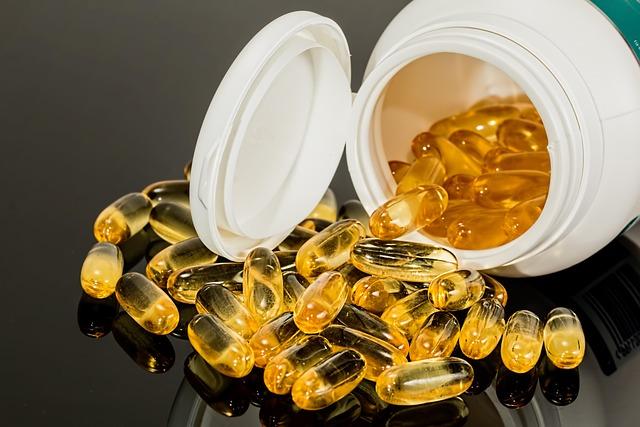
Think of THCa as the quite sibling at a loud family reunion: chemically close to THC, but not carrying the same familiar buzz.As interest in plant-derived wellness grows, THCa supplements have stepped into the spotlight – marketed as a novel option for people seeking the perceived benefits of cannabis compounds without the intoxicating effects. The conversation around these products is equal parts curiosity,caution and complexity.
This article, a balanced review, will unpack what THCa actually is, how it differs from THC and CBD, and why those distinctions matter for safety, legality and real-world effects. We’ll examine the current science – what laboratory and clinical studies do and do not show – alongside practical considerations such as extraction methods,labeling practices and regulatory gray areas. Along the way, we’ll highlight common marketing claims, summarize potential risks, and suggest questions consumers should ask before trying a THCa product.
No single headline will settle the debate. Instead, this introduction sets the table for a clear-eyed exploration that weighs emerging evidence and industry practices so you can make an informed choice – or decide to wait for stronger data.
Science Snapshot: Evidence, Safety Signals, and Research Gaps
what the science currently suggests is a mosaic of promising laboratory findings and sparse human data. In cell and animal models, THCa shows signals consistent with anti-inflammatory and neuroprotective pathways, and early pharmacology hints at activity at non-classical cannabinoid targets (for example TRP channels). Human evidence is limited to small open-label studies and case reports, so while mechanistic work is intriguing, it does not yet translate into robust clinical proof. The bottom line: there are biological rationales for potential benefit, but a clear efficacy picture in people is still unfolding.
Safety signals to watch center less on dramatic toxicity and more on uncertainty and avoidable risks. key considerations include:
- Decarboxylation risk – THCa can convert to psychoactive THC when exposed to heat, meaning some products may deliver unexpected effects.
- Contamination and labeling – inconsistent manufacturing can lead to residual solvents, pesticides, or inaccurate cannabinoid concentrations.
- Drug interactions – potential effects on liver enzymes (CYP system) merit caution if taken with other medications.
- Vulnerable groups – pregnant or breastfeeding people, children, and those with serious psychiatric histories should avoid use until more is known.
Gaps in research are wide and practical. Priority questions include robust dose-response data, standardized formulations, long-term safety profiles, and head-to-head trials against established comparators. Pharmacokinetics and metabolism of THCa in humans – especially how quickly and reliably it converts to THC under typical use – remain poorly characterized.Below is a concise snapshot of evidence tiers to clarify where the field stands:
| Evidence Tier | Current Status |
|---|---|
| Preclinical (cells/animals) | Promising mechanistic signals |
| Observational / Case reports | scattered, low-quality human data |
| Randomized controlled trials | Largely absent |
Where to go from here: researchers should prioritize randomized trials with standardized, third-party-tested products and clear outcome measures, while manufacturers and consumers should demand transparency on potency and contaminants. Until those studies arrive, a cautious, evidence-minded approach is the most scientifically defensible path forward.

Reading Labels and Choosing Quality Brands: What to Look For and Red Flags
Labels on THCa products are a map-if you know how to read them, thay tell you where the hemp came from, how potent the formula is, and whether the company stands behind its claims. Start by scanning for the basics: total THCa and other cannabinoid amounts (mg per serving), serving size, batch/lot number and an expiration date. Clear packaging will also list the carrier oil, additional botanicals, and any artificial additives or preservatives. if the label feels vague or leaves key numbers out, that’s your first cue to dig deeper or set the bottle back on the shelf.
- Certificate of Analysis (COA) – linked or QR-coded to the label
- Extraction method – CO2 or ethanol, not solvent residue
- Potency per serving – mg per drop or capsule, not just “per bottle”
- Origin & cultivation – country or state and “organic” if applicable
- Manufacturing standards – GMP, ISO, or FDA-registered facility noted
Brands worth trusting make testing effortless. Look for a publicly accessible COA from an independent lab that lists cannabinoid profiles, terpene content, and tests for pesticides, heavy metals, and residual solvents. If a COA exists, match its lot number to the product label-consistency matters. Equally important is transparency about sourcing: ethical brands will describe thier farms,harvest practices,and whether hemp flower was whole-plant used for full-spectrum extracts versus isolated THCa. Customer service contact info and a simple return policy are small signals of confidence that are worth noting.
- Red flags: vague “proprietary blend” notes, no third-party testing, celebrity-style miracle claims, or labels that hide THC percentages.
- Watch out for overly low prices that seem too good to be true-extraction and testing are costly.
- Avoid products that use confusing jargon without description or display fake certification badges.
For a quick reference, this table summarizes common label elements and what action to take:
| Label Item | What It Tells You | Action |
|---|---|---|
| COA / Lab Report | Authenticates cannabinoid content and contaminants | Verify lot match and review heavy metal/pesticide results |
| Serving Size & mg | real dose per use (not just per bottle) | Compare with your desired dose and start low |
| Ingredients List | Shows carriers, additives, botanicals | Avoid synthetic fillers and allergens you don’t want |

Dosage Strategies and Practical Use Tips for Beginners and Experienced Users
Think of dosing THCa the way a craftsman approaches a new tool: with patience and precision. A good rule of thumb is “start low, go slow”-begin with a conservative amount and increase only after tracking effects for several days. Product form matters: sublingual tinctures and vapors act faster and allow finer titration, while edibles can take 60-120 minutes to peak and hold longer. always choose lab-tested products and note potency on the label so you can calculate milligram amounts accurately.
- Measure precisely: use droppers, scales, or marked capsules rather then guessing.
- Wait before adjusting: allow full onset time (sublingual 15-45 min, edibles 1-2 hrs) before adding more.
- Keep a journal: log dose, time, method, and effects for a clear pattern.
- Avoid mixing: steer clear of alcohol and sedatives until you know how THCa affects you.
- Store smart: cool, dark, airtight containers extend shelf life and potency.
| Form | Beginner (mg) | Experienced (mg) |
|---|---|---|
| Tincture (sublingual) | 2.5-5 | 10-20 |
| Capsule | 2.5-7.5 | 15-30 |
| Edible | 2-5 | 10-25 |
| Vaporized (inhalation) | 1-3 | 5-15 |
For seasoned users, consider refined strategies like micro-titration (increasing by very small increments), cycling to manage tolerance (periodic breaks), or pairing THCa with a balanced dose of CBD to modulate effects. Time your doses to match your goals: lower daytime amounts for clarity and slightly higher,longer-acting forms in the evening for relaxation. Splitting a single intended dose into smaller administrations across the day can smooth peaks and maintain steadier effects.
Safety should underpin experimentation: review potential interactions with prescription medications, avoid during pregnancy or breastfeeding, and never drive while under the influence. When in doubt, consult a healthcare professional familiar with cannabinoid products. Thoughtful dosing-coupled with attention to product quality and personal response-helps both beginners and experienced users get the most consistent, sensible results from THCa supplements.
Final Balanced Verdict and Buying Guide: Top Use Cases and When to consult a Professional
Real-world results suggest thca can be a helpful addition to a wellness toolkit, but it’s not a miracle cure. Early user reports and preclinical studies point to potential benefits for inflammation, mild pain, sleep support and mood stability, yet robust clinical trials are still sparse. Expect variability: extraction method, hemp genetics and storage all shape potency and consistency. Prioritize products that are transparent about lab testing and won’t rely on marketing promises alone.
Common,practical use cases where people report the most consistent gains:
- Inflammation and joint discomfort – frequently enough used alongside lifestyle measures and physical therapy.
- Mild pain management – for those seeking a non-intoxicating option before trying THC-based products.
- Sleep support and relaxation – typically in evening microdoses or combined with a calming routine.
- Daily wellness / neuroprotection – longer-term, low-dose regimens some users prefer for general balance.
When shopping,keep a short checklist in mind: request a current Certificate of Analysis (COA),confirm THCa vs. Delta‑9 THC levels, choose full‑spectrum or isolate based on tolerance and legal needs, and favor brands that disclose extraction methods and hemp source.Be cautious of flashy potency claims, vague “proprietary blends,” or products without batch-specific lab results. Also note that heat converts THCa into THC – so method of use matters for both effects and legality.
Consult a healthcare professional if you are pregnant,breastfeeding,managing a chronic condition (especially liver or psychiatric disorders),taking medications with hepatic metabolism or narrow therapeutic windows,or considering use for a child or immunocompromised person. start with a low dose and track effects over several days before adjusting. The short table below helps match common product forms to practical expectations.
| Form | Best for | Typical onset |
|---|---|---|
| Raw flower / juice | Microdosing, raw THCa intake | 15-60 min |
| Tincture / sublingual | Fast absorption, flexible dosing | 15-45 min |
| Capsules / edibles | Consistent, discreet dosing | 45-120 min |
Future Outlook
As the dust settles on the jargon and labelling, thca wellness supplements reveal themselves as neither miracle nor mystery but a developing chapter in the wider story of plant-derived compounds. Weigh the emerging science,legal landscape,and product transparency against your own goals and risk tolerance,and let trusted sources – clinicians,certified labs,clear manufacturers – help you decide. Whether you walk away curious,cautious,or convinced,the most balanced choice is an informed one: keep asking questions,reading labels,and watching the evidence grow.

