



Think of the modern THCa market as a new frontier-full of promising options, unfamiliar labels, and a growing list of brands all claiming quality and compliance. For a beginner, that landscape can feel like a map without a legend: promising but puzzling. This guide is designed to be that legend-an approachable, practical compass to help you compare trusted, legal THCa brands without the hype.
We’ll cut through marketing speak and focus on what matters for responsible, informed choices: legal compliance, third‑party lab testing and transparent sourcing, clear labeling of potency and ingredients, manufacturing practices, and customer reputation. Because THCa products sit at the intersection of evolving regulation and science, a careful look at documentation and quality controls is often more telling than glossy packaging or big claims.
This introduction won’t tell you what to buy, but it will explain how to evaluate options and ask the right questions-so you can identify brands that prioritize safety, consistency, and compliance. Before exploring specific brands, remember to check local laws and consult a healthcare professional if you have health concerns or are taking medications. With those basics in hand, let’s turn to the practical comparisons that will help you navigate the THCa market with clarity and confidence.
Understanding THCa and the Legal Landscape for Beginners
THCa is the non-intoxicating, acidic precursor found in raw cannabis flower and fresh extracts. When exposed to heat or light, thca undergoes decarboxylation and becomes THC, the compound commonly associated with psychoactive effects. Because THCa itself won’t typically get you “high” without conversion, its presence in hemp-derived products has introduced complexity into how regulators and labs report potency and legality.
The regulatory picture is patchwork: the 2018 Farm Bill set a federal threshold based on delta‑9 THC concentration (0.3% on a dry-weight basis), but states and jurisdictions interpret and enforce those limits differently. Responsible brands publish clear,accessible Certificates of Analysis (COAs) that break down delta‑9 THC,thca,and calculated total THC (often reported using a THCa-to-THC conversion factor). when these numbers are missing or inconsistent, red flags should go up.
- Check the COA: accredited lab, recent date, batch match.
- Look for totals: delta‑9 vs. total THC (THC + converted THCa).
- Source & method: hemp origin, extraction/processing details.
- Compliance notes: state shipping restrictions and age verification.
Practical consumer safeguards are simple but effective: choose brands that publish third‑party testing, explain their compliance posture, and explicitly state how their THCa behaves under normal use (raw vs. activated). Below is a rapid reference to help you spot differences at a glance.
| Product Type | How It’s Generally Treated | What You Should Verify |
|---|---|---|
| Raw hemp THCa | often non‑intoxicating if not heated | COA shows low delta‑9; storage/usage guidance |
| Decarbed / activated THC | Considered intoxicating under most laws | Delta‑9 levels, state legality, age limits |
| Novel or isomerized variants | Regulatory status uncertain or restricted | Third‑party testing, explicit legal statements |
How to Read Lab Reports and Certificates of Analysis to Verify Purity and Safety
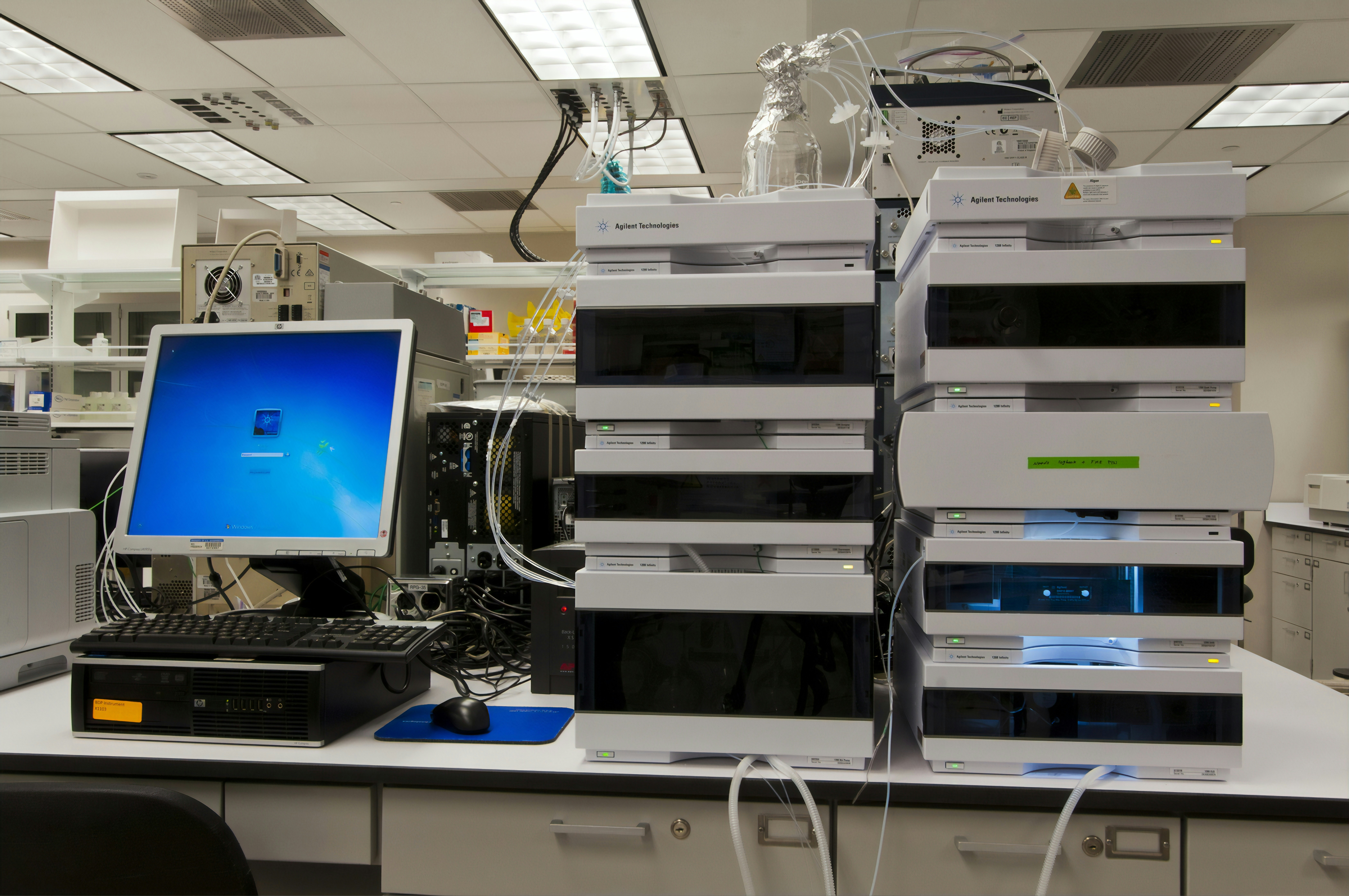
Think of a third‑party test report as the product’s fingerprint: it ties a jar, cartridge, or batch to measurable facts. start by confirming the basics – lab name, date, and batch or sample ID – and make sure the document is issued by an accredited facility. A legitimate report will clearly show the sample photo or ID, testing method references, and an accreditation statement (look for ISO/IEC 17025 or equivalent). If those items are missing or vague, treat the results with healthy skepticism.
Next,scan the cannabinoid panel first. Pay attention to reported amounts of thca versus delta‑9 THC and whether the lab shows a calculated “total THC” using the standard conversion factor (THCa × 0.877). That calculation determines legal status in some regions,so a mismatch between the label and the report is a red flag. Also check the limits of detection (LOD) and limits of quantification (LOQ) so you understand what “non‑detectable” truly means for that lab.
Quick checks you can run in under a minute:
- Potency: Does measured THCa match the label?
- Pesticides & herbicides: any listed as “detected”?
- Heavy metals: Lead, arsenic, cadmium, mercury – all should be under limits.
- Residual solvents: Especially significant for concentrates – are any present?
- Microbial contaminants: Pass/fail for yeast, mold, E. coli, Salmonella.
If you see “pass/fail” badges, confirm what criteria the lab used for passing.
| COA Section | what to look for | Red flags |
|---|---|---|
| Identification | Batch ID, product name, sample photo | Mismatched batch or no identifiers |
| Potency | THCa, Δ9‑THC, CBD; total THC calc | Huge discrepancies with label |
| Pesticides | List of analytes with results | Any detected above action levels |
| Heavy Metals | Pb, As, cd, Hg results | Values above limits |
| Residual Solvents | Common solvents and mg/kg | Presence of banned solvents |
| Microbials | pass/fail for pathogens | Detected pathogens |
| Terpenes | Profile for aroma & entourage | Unexpected or missing profile |
Extraction Methods and Product Types Explained for Real World Effects
How an extract is made shapes everything from flavor to onset. modern trusted brands lean on a handful of core techniques – CO2, ethanol, hydrocarbon, and rosin – each leaving a distinct fingerprint on cannabinoids and terpenes. CO2 tends to deliver clean, consistent profiles ideal for tinctures and capsules; ethanol pulls a broad spectrum (great for whole-plant oils) but can carry a greener note; hydrocarbons often preserve volatile terpenes for punchy cartridges and dabbable concentrates; and rosin, a solventless option, prioritizes purity and artisanal aroma at the cost of yield.
Below is a quick snapshot of typical pairings and what consumers actually feel in the real world:
| Extraction | Common Product | Real-World Effect |
|---|---|---|
| CO2 | Tinctures / Softgels | Predictable dosing, gentle onset |
| Ethanol | Full‑spectrum oils | Robust entourage, slightly vegetal |
| hydrocarbon | Vape cartridges / dabs | Fast onset, intense flavor |
| Rosin | Solventless concentrates | Pure terpene-forward aroma |
The final form you choose matters as much as the extraction. Products like flower, vape cartridges, isolates, tinctures, and edibles differ in onset, duration, and bioavailability – and those differences are magnified by the extraction method. Practically speaking, think in terms of experience:
- Flower: Immediate ritual and fast onset, flavor tied to terpene preservation.
- Cartridges: Rapid effects; quality depends on solvent purging and terpene retention.
- Isolates: Clean, consistent potency but stripped of the entourage effect.
- Tinctures/Edibles: Slower onset, longer duration; full-spectrum extracts often feel deeper.
when vetting brands, prioritize openness: published COAs, clear extraction disclosure, and terpene breakdowns tell you what to expect in everyday use.For real-world dosing, start low and note onset windows – vapes in minutes, tinctures within 15-45 minutes sublingually, and edibles up to two hours – and match the extraction/product combination to the effect you actually want, not just the highest potency number.
Evaluating Trusted Brands by Testing Standards Transparency and Ethical Sourcing
look for lab reports that are easy to find and read. A credible company posts batch-specific Certificates of Analysis (COAs) from self-reliant third-party labs and highlights cannabinoids, residual solvents, pesticides, and heavy metals. When COAs are buried behind customer support or missing batch numbers, treat that as a warning flag. Brands that invest in transparent testing not only protect consumers – they also demonstrate confidence in their own processes.
Use a simple checklist when vetting options:
- Are COAs linked to specific product batches?
- Does the report show limits of detection and testing lab credentials?
- Is there clarity about the extraction method and carrier ingredients?
- Do marketing claims match the lab results (e.g.,potency and purity)?
Ethical sourcing goes beyond catchy sustainability slogans.Look for brands that name their growers, disclose farming practices (organic, pesticide-free), and describe fair-trade or cooperative relationships. Companies that support regenerative agriculture, transparent supply chains, and worker safety are more likely to maintain consistent quality and reduce reputational risk. if a brand provides photos, farm stories, or traceable supply-chain maps, those are signs of genuine commitment.
| Brand | COA Access | Sourcing Practice |
|---|---|---|
| Green Acre | Batch COAs online | Local, organic farms |
| Clear Labs | COAs on request | Mixed suppliers, limited traceability |
| Trace & Co. | Interactive COA viewer | Farm-by-farm traceability |
Tip: Bookmark lab reports for any product you buy and compare the COA date, lab name, and tested values to spot inconsistencies over time.
dosing Strategies Potency guidance and Starter Recommendations for New Users
Think of dosing like dialing in a new coffee strength – subtle adjustments matter. For THCa products,labels will usually list potency as a percentage (for flower/concentrates) or milligrams per serving (for tinctures/edibles). Begin with the lowest clearly labeled amount and let the product’s timeline play out before adjusting. The golden rule for beginners is simple: start low, go slow, and wait long. This keeps experiments predictable and helps you learn how your body responds to different formats without surprise intensity.
Beginner-kind formats and starter ranges:
- Tinctures: 1-5 mg per dose – place under the tongue or use with a measured dropper for fine control.
- Pre-rolls / flower: Look for packages showing total THCa content; take one small inhalation and wait before repeating.
- Cartridges / Vapes: Short, measured puffs – vapor hits are fast-acting so increase slowly.
- Edibles: 2.5-5 mg to start – potency is concentrated and effects take longer to peak.
| product Type | How potency is shown | Suggested starter range |
|---|---|---|
| Flower / Raw THCa | % THCa per gram | Low % batches or one small inhalation |
| Tincture | mg per mL / per drop | 1-5 mg |
| Edible | mg per serving | 2.5-5 mg |
Titration and practical tips: Track the time you took a dose and rate effects on a simple scale (mild / moderate / strong). For inhaled products expect near-immediate feedback, while edibles and some tinctures can take 60-120+ minutes to peak. If you feel comfortable after the full onset, increase the next session by small increments (no more than 2-3 mg for edibles or one measured puff for inhalables). Always choose lab-tested brands, store safely away from children, and avoid mixing with alcohol or other depressants until you know your baseline reaction.
Insights and Conclusions
As you close this beginner’s guide, remember that choosing a THCa brand is less about chasing names and more about following clear signals: transparency, third‑party testing, compliant sourcing, and steady customer feedback. Think of each label and lab result as a small compass point-when several point the same way, you’re likelier to be on solid ground.take time to compare Certificates of analysis, verify legal limits in your area, and ask the brands questions that matter to you. Stay curious but cautious: regulations and product standards evolve, and what’s “trusted” today may look different tomorrow.
If you keep those basics in mind-research, verification, and responsible expectations-you’ll be better equipped to navigate the market with confidence. Ready to explore further? Use the checklists and resources in this guide as your map, and let diligence be your guide.

