


Imagine relief packaged like a small, unassuming token in your pantry - a chew, a gummy, a chocolate square – each one carrying not just flavour but the promise of easing a stubborn ache. For people exploring cannabinoid options, THCA edibles have quietly entered that landscape as an intriguing option: familiar in form but different in chemistry. This guide is a steady map for anyone considering buying THCA edibles for pain - neither an advertisement nor a medical sermon,but a practical compass for careful decision-making.
You’ll find clear explanations of what THCA is and how it differs from better-known cannabinoids; how edible formats, lab testing, and labeling affect safety and predictability; and what to watch for when choosing products – from ingredient lists to vendor openness. We’ll also cover dosing basics,legal realities,and sensible precautions for people with health conditions or taking other medications. Evidence about cannabinoids and pain is still evolving, so the aim here is not to promise cures but to equip you with the information to ask the right questions and make measured choices.
If you’re seeking relief, curiosity and caution can travel together. Consider this introduction your invitation to a calm, informed exploration of THCA edibles – one that prioritizes clarity over hype and safety over speculation.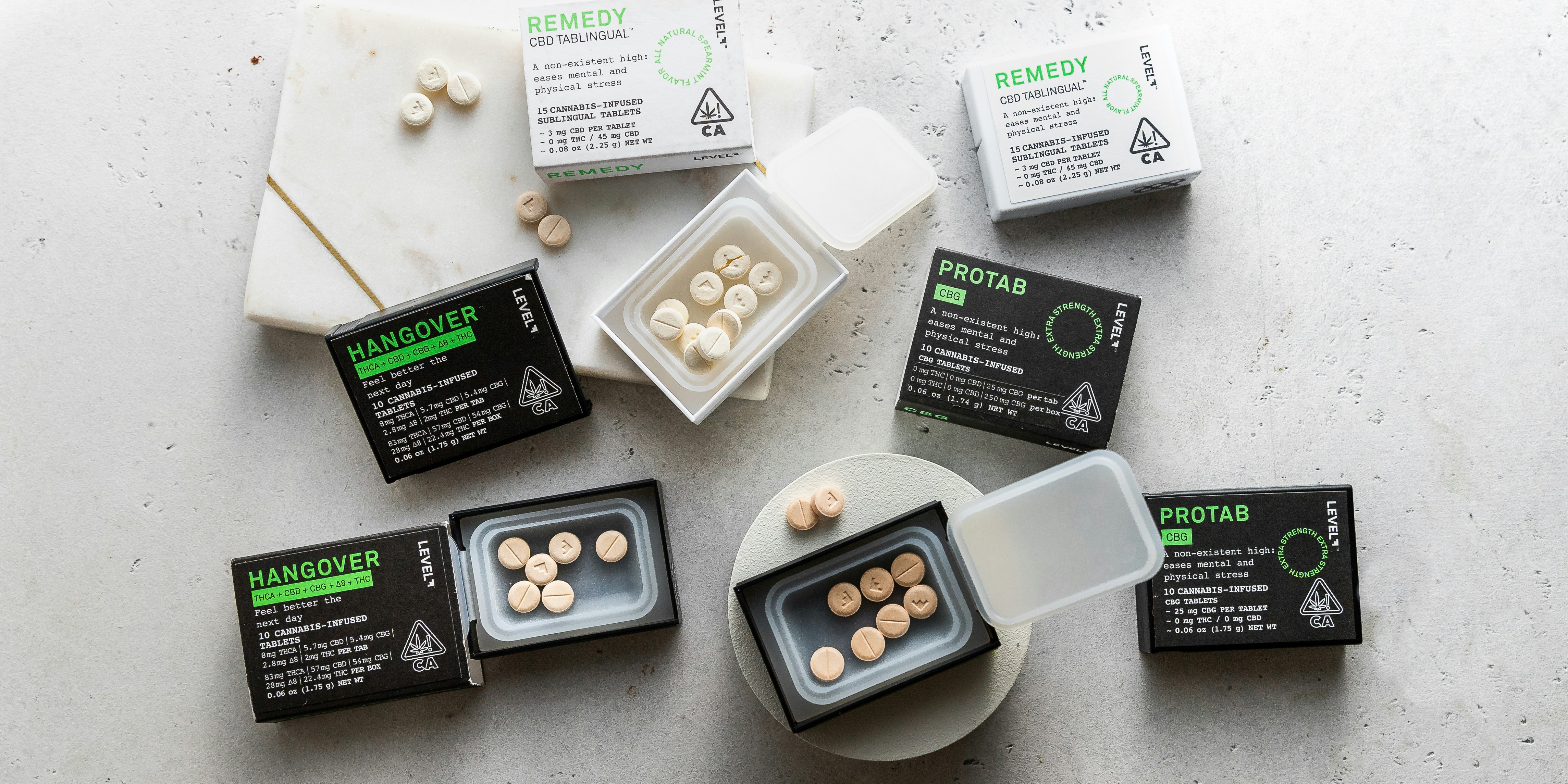
How THCA Works in the Body and what Research Actually Shows
THCA is the raw,acidic precursor to THC produced in the living cannabis plant. Unlike its decarboxylated cousin, it is indeed generally considered non-psychoactive as it has low affinity for CB1 receptors that drive the “high.” Instead, laboratory work points to a mix of indirect actions-modulating TRP channels, influencing inflammatory enzymes like COX, and engaging other signaling pathways that can dampen cellular inflammation and oxidative stress. Heat, light or prolonged storage convert THCA into THC, so how the edible was processed matters as much as the molecule itself.
Laboratory and animal studies have been the backbone of what we know so far: many reports describe anti-inflammatory and neuroprotective effects, but human trials are sparse and small. Below is a concise snapshot of typical findings that appear in the literature to date:
| model | Finding | Interpretation |
|---|---|---|
| Cell cultures | ↓ pro-inflammatory markers | Suggests direct anti-inflammatory potential |
| Rodent pain models | Reduced inflammation-driven pain | Promising for peripheral pain, not conclusive |
| Human data | Limited observational reports | Insufficient for firm clinical guidance |
For someone considering THCA edibles for pain, the takeaway from research is cautious optimism: THCA may help inflammation-related pain via peripheral mechanisms rather than central sedation or classic opioid-like analgesia. Practical points to keep in mind include:
- Test results matter: insist on a COA showing THCA vs. THC content.
- Start low: dosing guidance is unclear-begin with a small dose and monitor effects.
- Conversion risk: improperly processed edibles can contain bioavailable THC, which changes safety and legal considerations.
- Talk to a clinician: especially if you take other medications, since interactions are possible.

Safety, Interactions, and When to Consult a Healthcare Professional
Treat THCA edibles like any potent tool in your pain-management kit: respect the dose, respect the timing, and respect the unknowns. Start with a conservative amount and wait-edibles can take 60-120 minutes to peak-and keep a dosing log so you can track what helps and what doesn’t. Store products securely and out of sight of children or pets, and always check the product label for third-party testing and ingredient transparency. Keep edibles away from alcohol and sedatives, at least until you know how a particular product affects you.
- Start low, go slow: begin with a small dose and increase gradually.
- Label and log: note milligrams, time, effects, and side effects.
- Secure storage: childproof containers and clear labeling.
- Avoid mixing: alcohol, benzodiazepines, and strong opioids can amplify effects.
Some medications can interact unpredictably with cannabinoids; think of the body as an orchestra-introducing a new instrument can change the whole performance. Below is a fast reference showing common drug classes and what to watch for. This is not exhaustive, so always check with a clinician or pharmacist before combining treatments.
| Medication class | Possible interaction | What to watch for |
|---|---|---|
| blood thinners (e.g., warfarin) | Altered metabolism | Unexplained bruising or bleeding |
| Antidepressants (SSRIs, SNRIs) | Increased sedation or serotonin effects | Worsening dizziness, mood shifts |
| Opioids / Benzodiazepines | enhanced drowsiness | Respiratory depression, extreme sleepiness |
If you fall into higher-risk groups-pregnant or breastfeeding, have severe liver or heart disease, a history of substance use disorder, or are managing complex medication regimens-seek professional advice before trying THCA edibles. Contact a healthcare professional promptly if you experience troubling symptoms such as severe chest pain, difficulty breathing, fainting, or sudden, severe mood changes. Bring the product label and your dosing log to appointments so your provider can make the most informed advice.

Shopping Smart: Legal considerations, Trusted Vendors, and Storage Tips
Before you click ”add to cart,” take a moment to confirm the product’s legal standing where you live. Laws around cannabinoid products vary widely – from permissible THCA concentrations and age limits to rules about transporting items across state or national lines. Always consult local regulations and treat packaging claims with healthy skepticism: the presence of a Certificate of Analysis (COA) from a reputable lab is often the clearest marker that a product has been tested for potency and contaminants.
Choose sellers who make verification easy. Trusted vendors will provide transparent labeling, clear dosing information, batch numbers, and third‑party lab reports accessible via QR code or website link. Look for a visible return policy, customer service contact, and consistent user reviews rather than one-off praise. When in doubt, prioritize licensed dispensaries or established online retailers over unknown marketplaces.
- COA available: Confirms potency and safety.
- Exact dosing per piece: Helps you measure effects.
- Clear ingredient list: Important for allergies and dietary needs.
- Batch number & expiration: Useful for recalls and freshness.
Once home, protect your purchase with proper storage to preserve potency and prevent accidental ingestion.Keep edibles in a cool, dark place away from direct sunlight; many benefit from an airtight container with a small desiccant pack.Label containers with purchase date and milligram strength,and always use childproof storage – safety first. If you’re storing for months,refrigeration can extend shelf life for some formulations,but avoid freezing unless the manufacturer recommends it.
| What to Check | Why It Matters |
|---|---|
| Third‑party COA | verifies potency and contaminants |
| Clear dosing | Reduces risk of overconsumption |
| Licensed seller | Regulatory compliance and accountability |
| Proper storage instructions | maintains effectiveness and safety |
Final thoughts
As you close this guide, remember that buying THCA edibles for pain is less a leap and more a series of small, informed steps. Treat each product like an experiment: check third‑party lab results, verify legal status where you live, and track how different doses and formulations affect you over time.
Balance curiosity with caution – start low,go slow,and keep notes so you can recognize what helps and what doesn’t. If you’re taking other medications or managing a complex condition, consult a healthcare professional before introducing THCA into your routine.
Measured choices and thoughtful observation will serve you better than any headline or trend. With careful sourcing, sensible dosing, and patient tracking, THCA edibles can become one option among many in your pain‑management toolkit - chosen intentionally, monitored closely, and adjusted as needed.

