California’s cannabis marketplace is a landscape of sunlit storefronts and tightly regulated shelves – but tucked among the familiar tinctures and flower is a newer player that has many regulators and consumers asking the same question: where can THCA be sold legally? Tetrahydrocannabinolic acid (THCA), the raw precursor to the familiar psychoactive THC, sits at the intersection of chemistry, commerce and law, and its retail status changes as quickly as legislation and court rulings evolve.This article takes you beyond headlines and hearsay to map the patchwork of state rules governing THCA sales.We’ll explain what makes THCA legally distinct, how states – including california – treat it under existing cannabis, hemp and consumer-product frameworks, and what practical differences consumers and retailers should expect from one jurisdiction to another.
Read on for a state-by-state overview, key regulatory nuances, and tips for staying compliant and informed in a market that’s still finding its legal contours.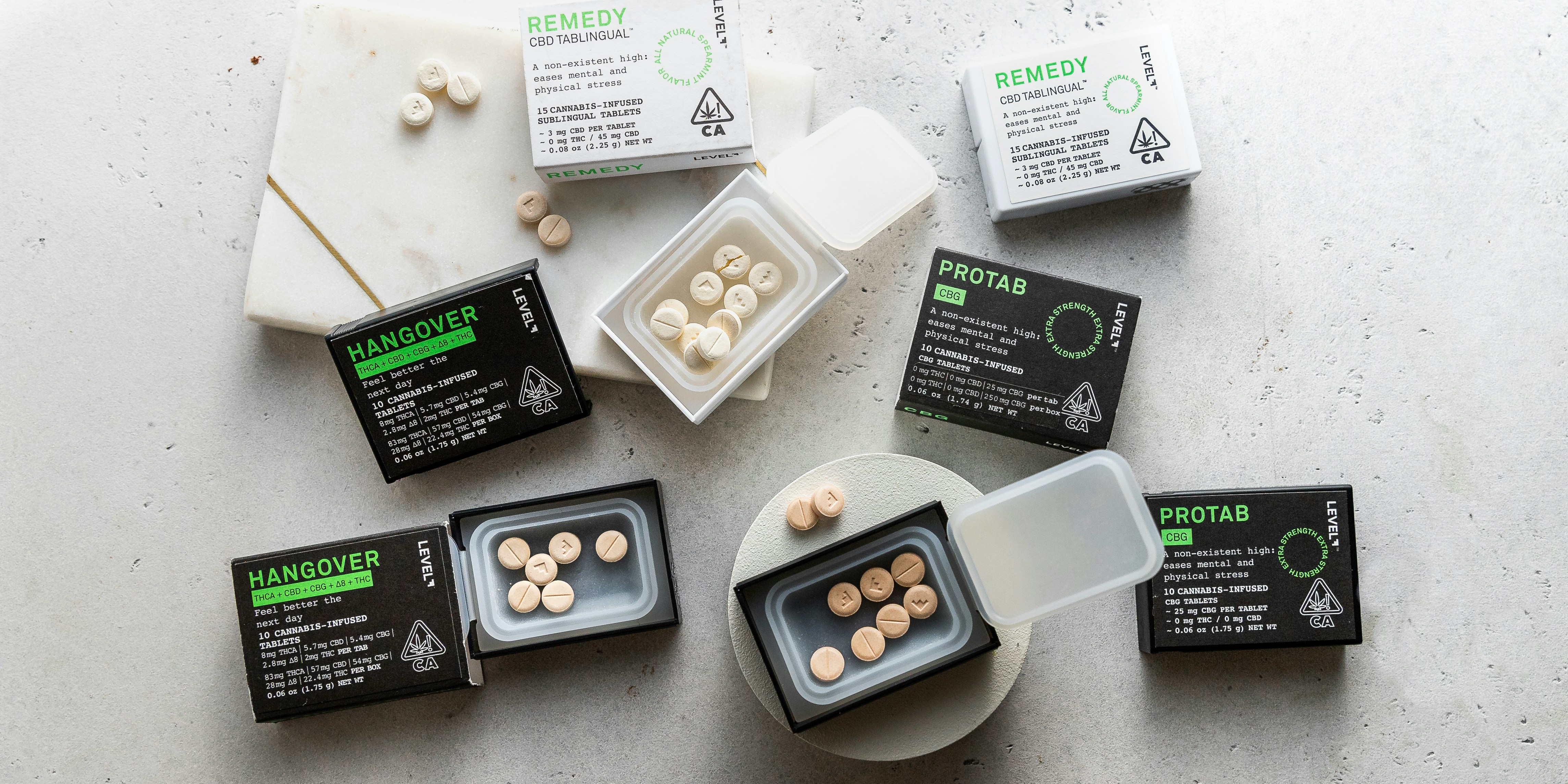
Understanding THCA and why California regulation sets the tone for retail markets
THCA lives in the plant as a precursor molecule – chemically distinct from THC and largely non-intoxicating until heat or time converts it through decarboxylation. That biochemical nuance creates a regulatory puzzle: should labels advertise THCA potency, or only converted THC? California treats this as a consumer-protection issue, pushing beyond simple percentages to demand clarity about form and expected effects. The result is a market where lab reports and method transparency matter as much as the terpene profile or strain name.
Because California adopted rigorous rules early, its framework functions as an industry playbook. Retailers operating there must comply with multiple layers of oversight, which in turn shapes product design and marketing.Typical pillars include:
- Mandatory testing – potency, residual solvents and microbial contaminants must be verified by accredited labs.
- Clear labeling – explicit disclosure when consumers are buying THCA vs. activated THC.
- Packaging standards – child-resistant, tamper-evident, and informational requirements.
- supply-chain traceability – seed-to-sale tracking to prevent diversion and ensure recall readiness.
These rules ripple outward. States watching California often adopt similar standards to reduce uncertainty and build consumer trust, while manufacturers design products with compliance-ready formulations. The practical impact on retailers is straightforward: higher upfront compliance costs but smoother customer interactions and fewer regulatory shocks. Below is a snapshot of typical retail expectations influenced by the California model.
| Retail Impact | What retailers must do |
|---|---|
| Product transparency | Display COA and clear THCA/THC labels |
| consumer safety | Enforce packaging and storage rules |
| Operational compliance | Maintain supplier records and testing logs |

Mapping the national landscape of THCA retail legality and the states that allow sales
across the United States, the retail status of THCA reads like a mosaic: some jurisdictions have clear paths for hemp-derived products, others treat THCA like any other controlled cannabinoid, and many fall somewhere in between. This results from the tension between federal hemp laws and state-level cannabis regulations, producing a true patchwork of rules where what’s legal in one city can be unlawful a few miles away.
Most states settle into one of three practical categories – and within each there are crucial caveats about product type, potency, and retail license. Common groupings include:
- States with clearer retail frameworks (examples: California, Colorado, Oregon) – markets where hemp-derived cannabinoid products are routinely sold in licensed shops and dispensaries.
- Restricted or regulated states – places that allow hemp products in principle but impose strict testing, labeling, or channel restrictions that limit retail availability.
- Ambiguous or prohibitive jurisdictions – states where statutes or enforcement practice make THCA retail risky or effectively barred until regulators clarify policy.
Beyond categories,practical concerns shape weather a product stays on shelves: mandatory testing for residual THC after decarboxylation,accurate labeling of potency and origin,and local ordinances that ban certain storefronts. Retailers and consumers alike watch enforcement trends closely – regulators tend to prioritize products that carry an intoxicating risk after heating, so formulation and proof of hemp origin matter as much as the state’s written policy.
| Category | Sample States | What to watch for |
|---|---|---|
| Clearer retail frameworks | CA, CO, OR | licensed sellers, routine lab testing |
| Regulated / conditional | IL, NY (examples) | Strict labeling & potency limits |
| Ambiguous / restricted | Various states | Local bans or enforcement uncertainty |
Always verify the latest guidance from state regulators and local ordinances before buying or selling – rules evolve quickly and the practical retail map can shift overnight.
Future Outlook
As you’ve seen,the map for THCA retail in the U.S. is less a straight line than a moving mosaic – a patchwork of statutes, interpretations, and evolving enforcement priorities. California sits at one end of that spectrum as a large, regulated market, but whether THCA is permitted at retail anywhere else depends on the language of state law, local ordinances, and how regulators and courts treat cannabinoids derived from hemp or cannabis.
If you’re a consumer, retailer, or policymaker, the sensible next step is the same: look up the current statutes and administrative guidance for the state and locality in question, confirm lab testing and labeling standards, and, when in doubt, seek legal or regulatory counsel. Rules can change quickly, and differences between states – and between municipalities inside a state – can be notable.
Ultimately, THCA’s retail future will be written state by state. Staying informed, cautious, and compliant will keep you on the right side of that evolving landscape.