



A single stamp, a padded envelope and a chemical name – and suddenly a routine shipment feels like the start of a legal maze. THCA, the raw, non-intoxicating precursor to THC, has become a flashpoint were federal definitions, state statutes and postal enforcement collide. For businesses, patients and curious consumers alike, the question “Can you ship THCA to Texas?” no longer admits a simple yes or no.
This article peels back the layers of that question. We’ll sketch what THCA is and how it differs from THC, summarize recent rule changes and enforcement trends that affect interstate transport, and explain the practical considerations retailers and senders must weigh when mailing hemp-derived products to Texas.along the way we’ll highlight where the law is clear, where it’s murky, and what to watch for next.
Note: this overview is informational, not legal advice. If your shipment has stakes – financial or judicial – consult a licensed attorney with current, Texas-specific counsel.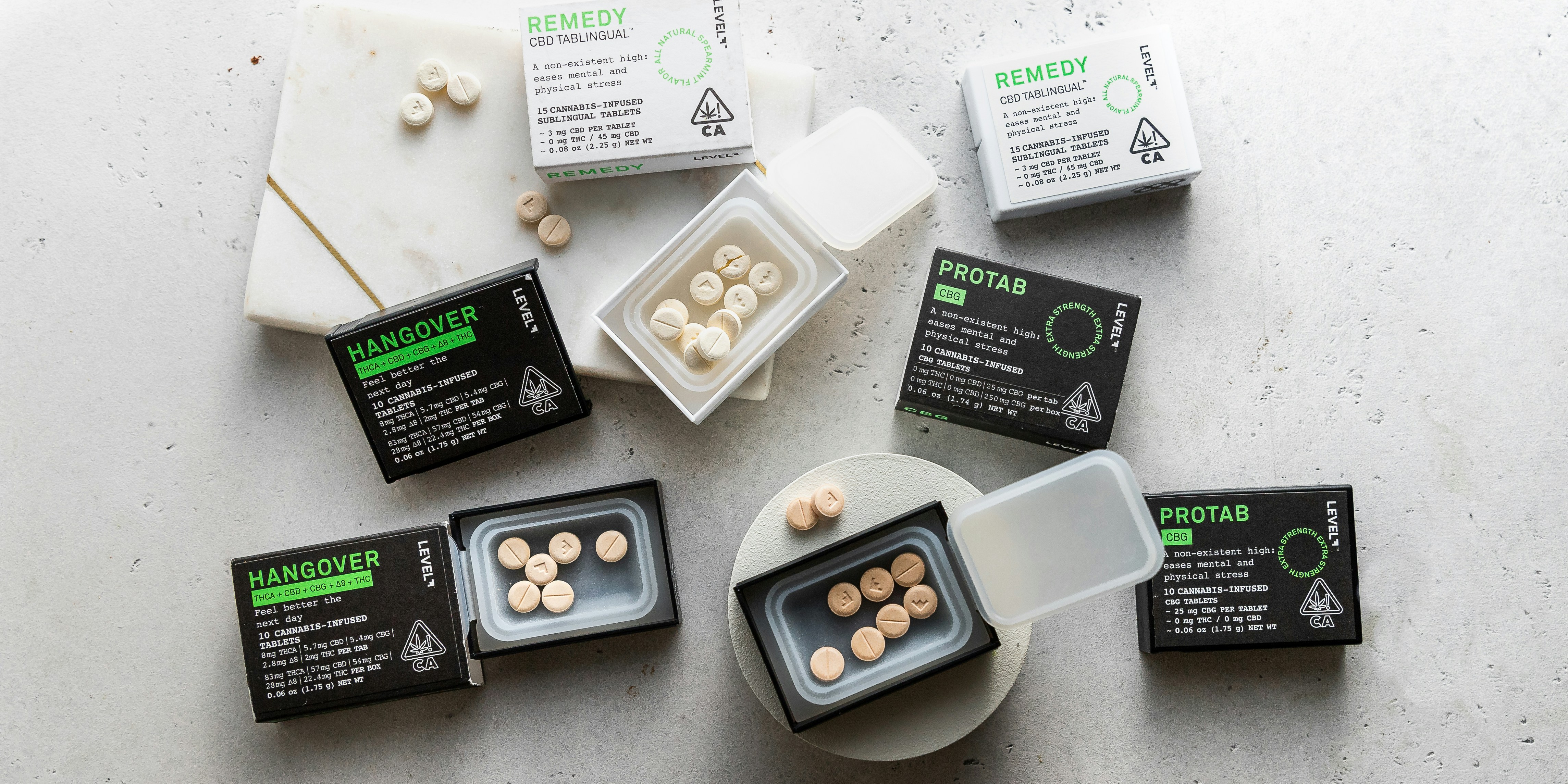
Understanding THCA and How It Differs From Controlled THC
THCA (tetrahydrocannabinolic acid) is the natural, non-psychoactive precursor found in live cannabis and hemp plants. In its raw form it does not produce the “high” associated with marijuana-its molecular structure includes an extra carboxyl group that prevents it from binding strongly to brain cannabinoid receptors. When exposed to heat, light, or prolonged storage, THCA undergoes decarboxylation and becomes delta‑9‑THC, the controlled, psychoactive compound most laws focus on.
Legally, discussions frequently split the two molecules: regulators and statutes typically target delta‑9‑THC, but that split isn’t always clean in practice. Federal and state frameworks (including hemp definitions tied to a 0.3% delta‑9 threshold) can indirectly sweep THCA into regulated territory as labs and lawmakers frequently enough calculate “total THC” as the potential delta‑9 yield after decarboxylation. That means a product high in THCA can – on paper or after conversion – exceed legal thresholds even if it starts non‑intoxicating.
For businesses and shippers this biochemical nuance creates real-world risks. THCA-rich material shipped without proper temperature control, documentation, and certificates of Analysis (coas) can be reclassified mid‑transit if it decarboxylates or if authorities apply delta‑9 equivalent calculations.key practical steps include:
- Keep COAs accessible showing measured delta‑9 levels and THCA content.
- Control storage conditions to minimize heat and UV exposure during transport.
- Label clearly and maintain chain‑of‑custody records to demonstrate intent and origin.
- Work with accredited labs that report both THCA and delta‑9 values and explain conversion assumptions.
Below is a quick comparison to clarify how the two molecules differ in practice:
| Feature | THCA | Delta‑9‑THC |
|---|---|---|
| psychoactivity | Non‑psychoactive | Intoxicating |
| Legal treatment | Often ambiguous; evaluated via conversion | Explicitly controlled in many jurisdictions |
| Conversion trigger | Heat, UV, age | Product of decarboxylation |
| Drug testing | Not directly detected; can convert | Detected via metabolites |

Checklist for Compliance: Testing, Documentation, Labeling, and Packaging Best Practices
When preparing THCA products for shipment into Texas, prioritize a defensible compliance trail: third‑party testing and a complete Certificate of Analysis (COA) are non‑negotiable. The COA should list THCA/THC/CBD concentrations, testing date, lab accreditation, and batch identifiers. Maintain a clear chain of custody-from extraction or sourcing through packaging and dispatch-so every package can be traced back to its origin quickly if regulators or customers request verification.
Turn legal requirements into a practical checklist before you print labels or seal boxes. Include a COA copy with each commercial shipment and keep digital backups for at least the retention period required by the state. Use bold, readable labels that state cannabinoid content per serving and per container, include required warnings, and ensure packaging is both child‑resistant and tamper‑evident. Below are focused items to tick off before shipping:
- Testing: Accredited COA showing THCA/THC percent,terpene profile,and contaminants screen.
- Documentation: Batch ID, invoice, shipping manifest, and accessible digital COA link or QR code.
- Labeling: Clear cannabinoid disclosure, net weight, lot number, and any state‑mandated warnings.
- Packaging: Child‑resistant closure, opaque or protective outer packaging, tamper seals, and discreet external markings if required.
- Recordkeeping: Maintain shipment logs, carrier proof of delivery, and returns handling policy for audits.
| Compliance Item | Typical Requirement |
|---|---|
| COA Details | THC/THCA %, testing date, lab accreditation |
| Labeling | Cannabinoids per serving & per container, warnings |
| Packaging | Child‑resistant, tamper‑evident, discreet outer box |

Steps to Take if a Shipment Is Stopped: Documentation, Legal Options, and Prevention Tactics
When a parcel is detained, act quickly but methodically: do not reship or destroy the package, document the scene, and preserve every scrap of paperwork. Photograph the label, packaging, and any visible damage; screenshot the tracking history and save emails or texts from the carrier or customs. Contact the carrier’s claims department immediatly and request a written incident report or seizure notice – insist on a reference number and the name of the person handling the file. Thes early documentation steps are the foundation for both administrative remedies and any later legal action.
- Tracking & shipment history: full audit trail & carrier timestamps
- Commercial documents: invoices, bills of lading, manifests
- Product proof: Certificate of Analysis (COA), ingredient lists, labeling photos
- Communications log: written correspondence with buyer, carrier, and broker
- Custody evidence: signed delivery attempts, chain-of-custody receipts
With the evidence assembled, explore legal pathways while keeping exposure minimal: contact a lawyer conversant in hemp/cannabis regulatory and shipping law to evaluate administrative appeals, courier arbitration, or a demand letter to demand return or release. For government seizures you may need an administrative appeal or habeas/civil recovery action; for carrier disputes,contractual remedies and insurance claims frequently enough move faster. Keep your messaging factual and documentary-focused – avoid speculative statements about legality in public forums until counsel advises. Below is a quick contact matrix to guide who typically can definitely help first.
| Contact | Role | Typical first response |
|---|---|---|
| Carrier Claims | Investigates loss/damage | 24-72 hours |
| Customs/Regulatory Office | Seizure/hold description | Varies; days-weeks |
| Specialist Attorney | Legal options & filings | 48 hours (initial consult) |
Prevention beats cure: adopt robust compliance playbooks that include validated COAs, clear labeling that matches the paperwork, carrier pre-approval for hemp-derived materials, and contract clauses allocating risk and insurance. Train fulfillment teams to flag anything non-conforming and run periodic test shipments to known-compliant routes. When in doubt, pause shipment and run a short legal check – a small delay now can prevent a seizure that costs far more in time, money, and reputational risk.
In Summary
As the legal landscape around THCA continues to shift, the question of whether you can ship it to texas is less a single answer and more a moving target. Laws, enforcement priorities, and carrier policies can change faster than a headline-so what looks permissible today might potentially be restricted tomorrow. Treat the current update as a snapshot, not a final map.
If you’re considering sending or receiving THCA, proceed with caution: verify the most recent state and federal rules, review carrier and marketplace policies, and, when in doubt, consult a qualified legal or compliance professional. That extra step won’t eliminate uncertainty, but it will help you navigate it more confidently.
Keep an eye on reputable sources and official notices for future shifts. As the legal weather changes, staying informed is the best compass-so you can make decisions that are both practical and prudent.

