


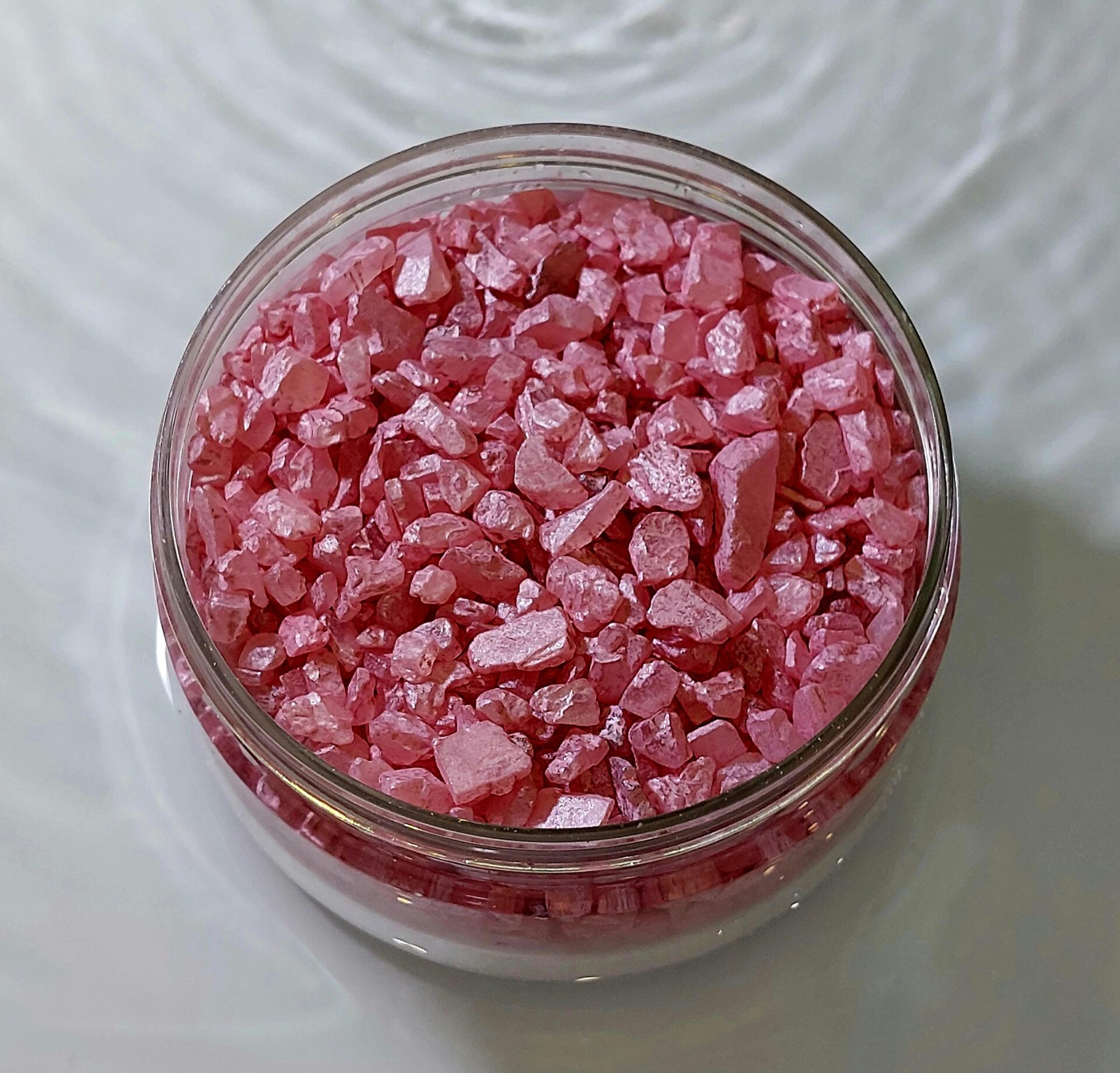
In the quiet intersection of science and craft, cold-cured THCa rosin occupies a deliberate, almost ritual space: a concentrated expression of plant chemistry coaxed into clarity without heat. This Limited Terpenes batch is an even more particular specimen – a small, curated run in which the usual aromatic exuberance is gently restrained, allowing select terpenes and the raw THCa molecule to speak with unusual focus. The result reads less like a full-bodied chorus and more like a chamber performance, where nuance matters.
Cold curing, as practiced here, prioritizes preservation – minimizing volatilization and chemical change so that delicate aromatic compounds and the non-decarboxylated THCa remain intact. Labeling the run “Limited Terpenes” signals an intentional narrowing of the terpene palette: either by starting material selection,controlled processing,or deliberate blending,the producer shapes a simplified,defined sensory profile rather than an all-encompassing bouquet. For consumers and connoisseurs alike, that yields a product that invites closer listening to texture, aroma, and laboratory-verified composition.
This article unpacks what makes a cold-cured thca rosin distinct,why a limited-terpenes approach matters to makers and users,and what sensory and analytical trade-offs come with focusing a batch on restraint rather than range.
Analytical Priorities and Lab Recommendations for Limited Terpene Batches: What to Test and Why
When working with cold-cured THCa rosin that contains only trace volatiles, analytical strategy must lean into precision rather than volume. The primary focus is on sensitive quantification and contamination screening: accurate THCa/Δ9-THC potency, trace-level terpene identification, and detection of residual solvents or pesticide residues that can disproportionately affect a low-terpene product.Labs should tune methods to low limits of detection (LOD/LOQ) and document matrix effects-cold cure matrices can suppress or shift volatile signals, so method validation with matrix-matched standards is essential.
- Potency (THCa/Δ9-THC) – ensures legal compliance and dose accuracy; use validated HPLC-UV/UPLC-MS methods.
- Terpene profile – quantify even trace aromatics using GC-MS/FID with low-ppb sensitivity and appropriate internal standards.
- Residual solvents – headspace GC is critical; small solvent residues can change flavor and safety profiles.
- Pesticides & mycotoxins – LC-MS/MS screening for broad panels, because low terpene content doesn’t mitigate toxicant risk.
- Heavy metals – ICP-MS to rule out uptake during cultivation or processing.
- Microbial/Water activity – culture/qPCR and aw measurements to assess spoilage risk during storage.
| Test | Priority | Recommended Method |
|---|---|---|
| Potency | High | HPLC-UV / UPLC-MS |
| Terpene Quantification | High | GC-MS/FID (low-ppb) |
| Residual Solvents | High | Headspace GC |
| Pesticides | medium | LC-MS/MS |
| Heavy Metals | Medium | ICP-MS |
| Microbial / aw | Medium | qPCR, culture, aw meter |
Operational recommendations: submit representative samples (multiple sub-samples pooled and some individual units retained), request method detection limits on the COA, and insist on matrix-matched calibration with internal standards for terpenes. For stability, run at least one accelerated and one real-time timepoint to quantify terpene loss and decarboxylation of THCa; label shelf-life conservatively if terpene degradation is observed. preserve cold-chain and use inert packaging during transport to minimize artifactual oxidation-small terpene signals are fragile, and proper handling preserves both analytical fidelity and product quality.
Process Controls that Preserve Terpene Integrity: Temperature, Time and Handling Best Practices
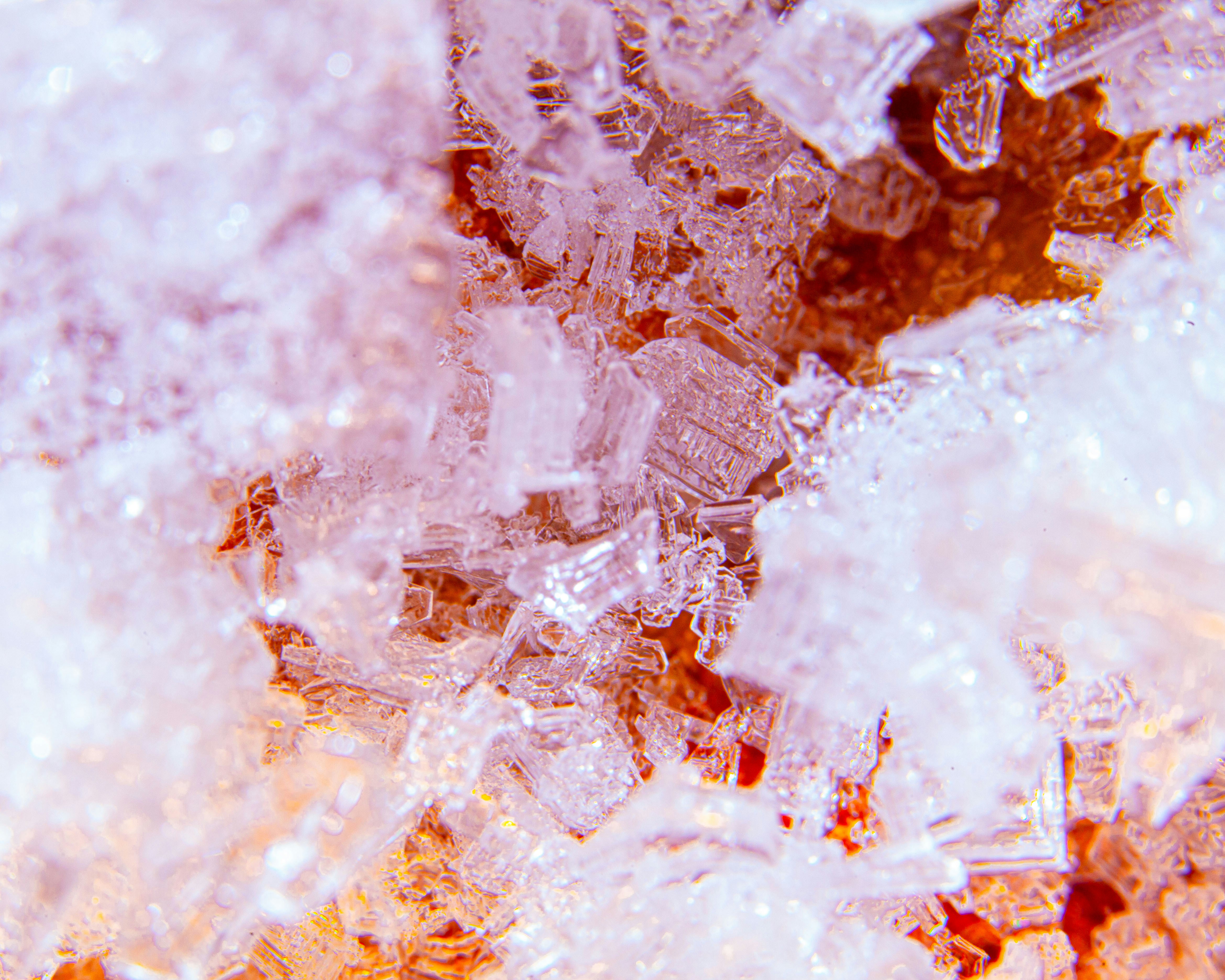
Cold-curing is a pause rather than a race – it asks you to treat terpenes like fragile glass: cool, steady, and handled with intention. Aim to keep the entire processing chain below 35-45°F (2-7°C) during curing and transfer stages; those lower temperatures slow terpene volatilization and chemical rearrangements that blunt aroma and nuance. Heat spikes are the real saboteurs, so batch cycles should be designed with gentle ramps and predictable plateaus rather than abrupt presses or warm dwell times.
Time is a sculptor here: too short and the matrix won’t settle, too long and oxidative pathways may nibble at the profile. Typical cold-cured dwell windows run from 48-120 hours depending on biomass density and solvent-free expectations, with frequent but light monitoring. Use staggered sampling rather than constant prodding to avoid thermal gains from handling; a single, scheduled check preserves both terpene fidelity and operator consistency.
Handling decisions compound gains or losses. Work under inert gas when possible, minimize light exposure with amber or opaque containers, and choose soft, non-reactive tools for scraping and packaging. Practical steps include:
- Controlled transfers: move material on chilled platforms to avoid warm air exposure.
- Low-pressure ramps: apply pressure gradually during final work-up to prevent terpene shear-off.
- Sanitary, cold-ready gear: pre-cooled spatulas and seals reduce heat transfer and contamination risk.
| Parameter | Target | Why it matters |
|---|---|---|
| Ambient Temp | 2-7°C | Limits terpene evaporation and degradation |
| dwell Time | 48-120 hrs | Balancing consolidation with freshness |
| Handling | Minimal, chilled tools | Reduces heat and oxygen exposure |
Packaging and Storage Recommendations to Maintain Terpene Profiles and Extend Shelf Stability
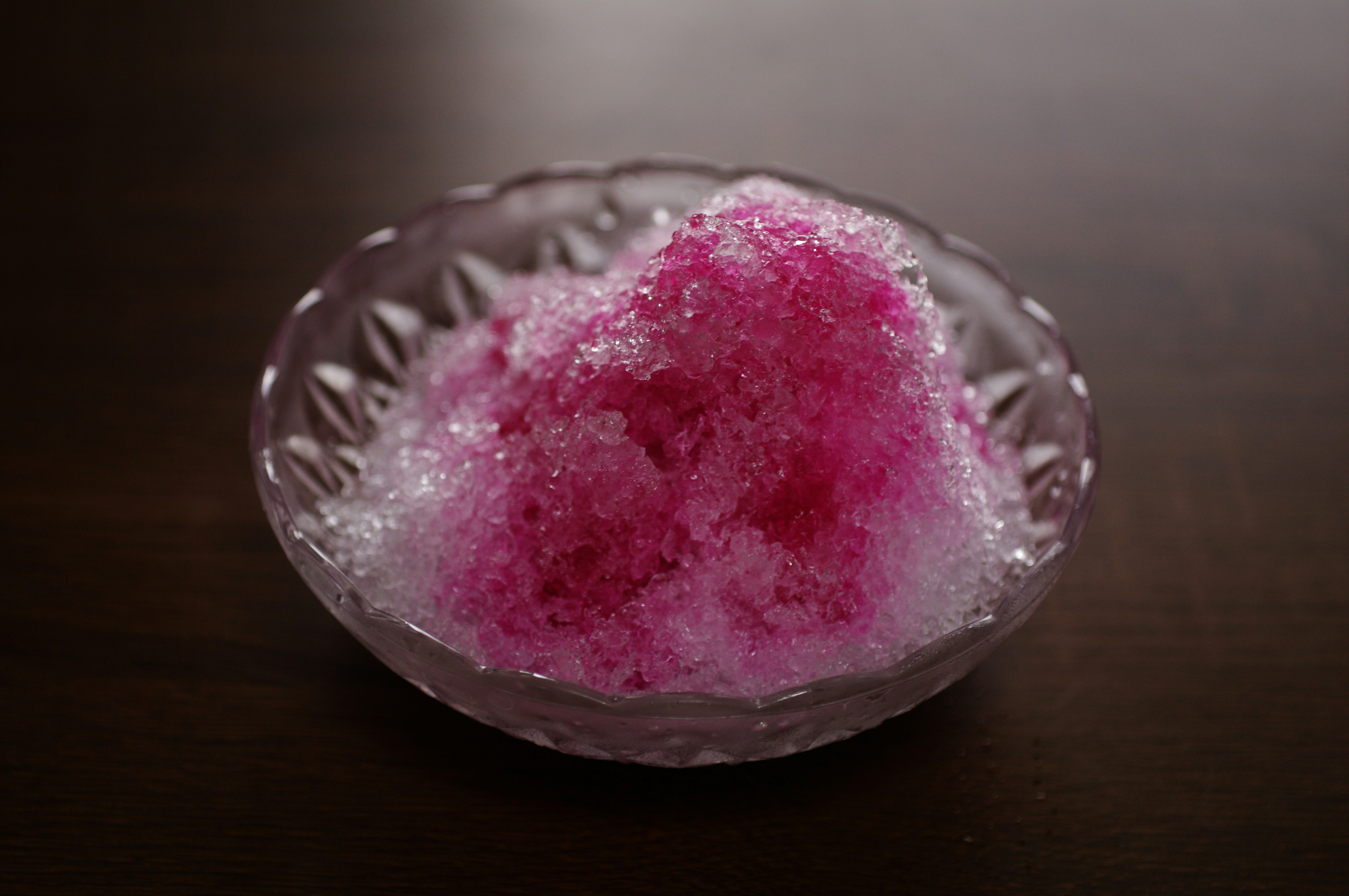
Preserve the delicate aromatics by sealing the rosin as soon as it finishes cold curing. Terpenes are highly volatile and prone to oxidation, so a rapid transition from curing to airtight packaging dramatically reduces loss.Whenever possible, flush headspace with an inert gas (nitrogen or argon) and choose containers that create a true barrier to oxygen and light – this is where small details (cap liners, crimp seals, and low-permeability materials) make the difference between a vibrant bouquet and a flattened profile.
Choose packaging with longevity in mind. The following speedy checklist highlights preferred materials and methods for limited-terpene lots:
- Primary container: amber glass jars or metallized Mylar pouches – glass is ideal for flavor fidelity.
- Barrier layers: multi-layer pouches or blister-style inserts to inhibit oxygen and moisture exchange.
- Headspace control: nitrogen flushes or vacuum sealing to minimize oxidative reactions.
- Temperature control: cold-chain storage immediately post-packaging to arrest terpene volatilization.
- Labeling: include cold-cure date and batch code so older stock can be rotated first.
| Condition | target | Why it matters |
|---|---|---|
| Temperature | 0-8°C | Slows terpene evaporation and chemical degradation |
| Relative Humidity | 30-50% | Prevents condensation and mold risk without drying terpenes |
| Light | Minimal / opaque packaging | Protects light-sensitive terpenes and cannabinoids |
| Expected integrity | Up to 9-12 months | When packaged and stored under ideal conditions |
adopt gentle handling and inventory practices to keep terpene signatures consistent. limit open-to-air sampling, avoid repeated freeze-thaw cycles, and train staff to open only what’s needed for immediate use. For boutique cold-cured batches, consider small-batch secondary packaging (single-serve jars or portion pouches) so the bulk reserve remains undisturbed. These small investments in packaging discipline translate directly into a fuller, truer sensory experience for every jar you sell.
Buyer Guidance and Responsible Use: Sourcing Criteria, Dosing Tips and Safety Considerations
The smartest purchases start with transparency. Seek vendors who supply a recent Certificate of Analysis (COA),clearly list cultivar and harvest dates,and describe their cold‑cure workflow so you can understand why this batch shows a tighter,more restrained terpene profile. Prefer producers who emphasize solventless extraction and small‑batch handling – limited terpenes are frequently enough a deliberate expression of plant chemistry rather than an omission, and the best sellers will explain that rather than hide it. Below is a quick sourcing checklist to keep in your browser when shopping.
- COA verification – potency, contaminants, terpene report
- Harvest & cure details – date and method
- Small‑batch provenance – traceable genetics and grow notes
- Obvious labeling – clear % THCa/THC equivalents and recommended use
| Tested Item | What to look for |
|---|---|
| Potency | Reported THCa + Δ9‑THC equivalence |
| Pesticides | Non detect / below limits |
| Residual Solvents | Not applicable (solventless) or ND |
| Terpene Profile | Concentrated or minimal – matches product claim |
When it comes to dosing, follow a conservative, iterative approach: start low, go slow. Cold‑cured THCa rosin can contain high concentrations of non‑decarboxylated THCa that may convert to active THC when heated, so treat potency as potent. If you’re trying this texture and aroma for the first time, take a very small portion and allow ample time for effects to manifest before taking more. Typical onset varies by method – inhalation styles often give feedback within minutes, while edible or sublingual preparations can take much longer – so wait at least an hour before reassessing your dose.
- Micro‑portioning: use a tiny amount and increase incrementally
- Timing: expect faster onset with inhalation, slower with oral routes
- Record your experience: note quantity, method and effect to titrate future doses
Safety is non‑negotiable. Always store concentrates in a cool, dark place and keep out of reach of children and pets. Do not drive or operate heavy machinery after use, and avoid combining this product with alcohol or sedatives.If you are pregnant, breastfeeding, have a history of psychosis, cardiovascular conditions, or take prescription medications, consult a healthcare professional before use. Watch for allergic reactions to terpenes or carrier materials and stop use if you experience severe dizziness,chest pain,or breathing difficulties.
- Legal check: confirm local laws and possession limits before purchasing
- Medical caution: consult your clinician if on interacting medications
- Storage & labeling: clearly label and secure jars; resist reuse of old packaging
Closing Remarks
Like a winter kept in amber, the cold-cured THCa rosin in this limited terpenes batch offers a compact story: careful preservation of delicate aromatics, a restrained hand in processing, and the kind of rarity that invites a slower, more attentive approach. Its value lies less in loud proclamations and more in the subtle interplay between craft and chemistry – a snapshot of a specific cultivar, a chosen cure, and a moment in time.
For curious consumers and collectors alike, this release is an occasion to observe, compare, and appreciate nuance. Approach it informed and intentional: look for transparent testing,respect local regulations,and savor the sensory details rather than chase hyperbole. In that measured appreciation, the batch reveals its true worth – not as an answer, but as an invitation to keep exploring the many flavors and techniques shaping the modern rosin landscape.

