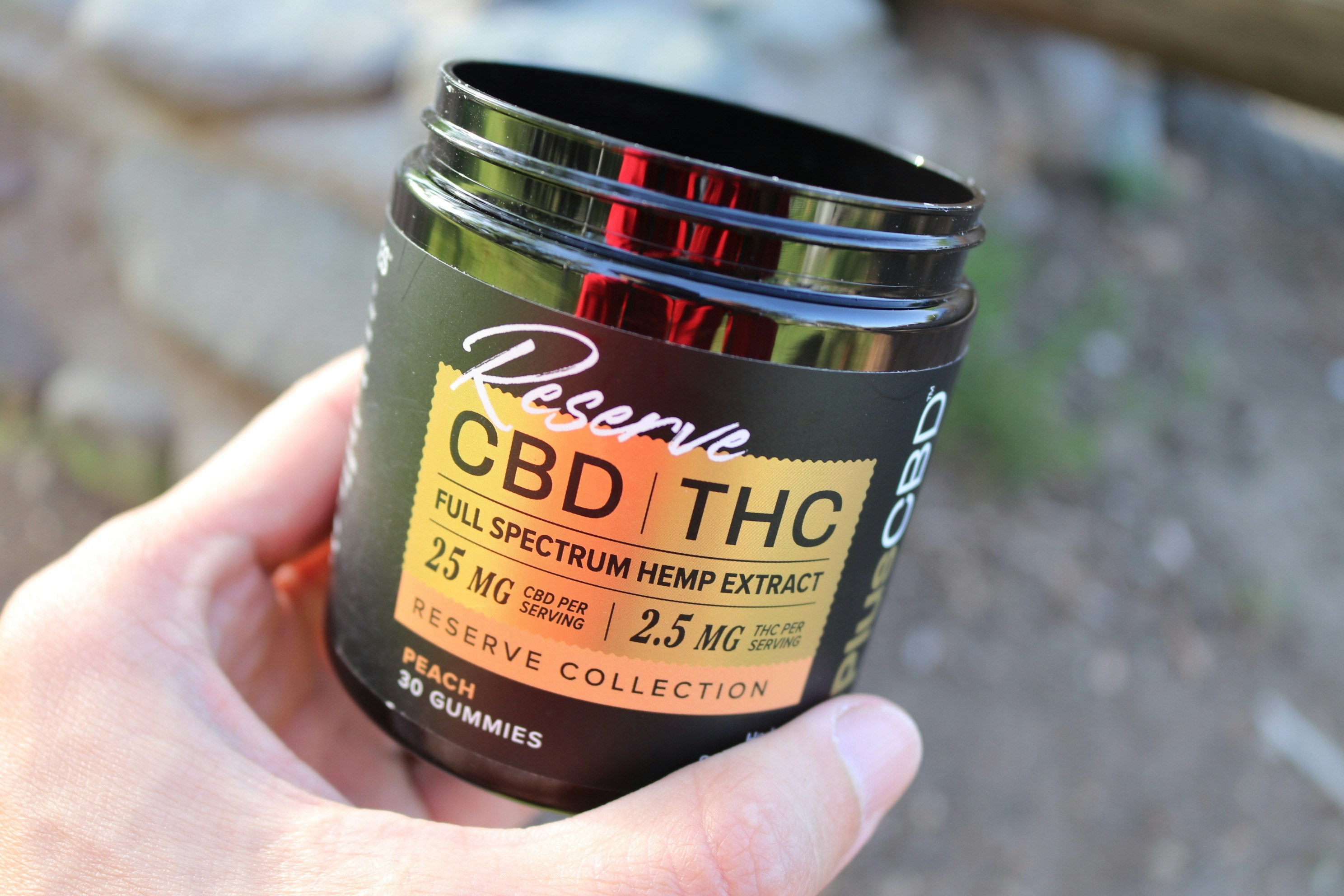
Think of the United States as a patchwork of storefront windows and state lines, each pane offering a slightly different view on the same ingredient: THCA. Once a relatively obscure cannabinoid tucked into lab reports and academic papers, THCA has stepped into the retail spotlight, showing up in a wide array of recreational products-from raw flower and concentrates to tinctures and infused edibles. But what one shopper finds on a dispensary shelf in Oregon can look, feel and test very differently from what’s available in Florida or Nevada.
This article will navigate that varied landscape without taking sides. We’ll map how regulations shape product availability, compare formulations and potency profiles, and consider testing, labeling and consumer safety practices that vary by state. The goal is simple: to give readers a clear, balanced overview of how THCA recreational products differ across the country, so thay can make informed choices in the markets where they live or travel.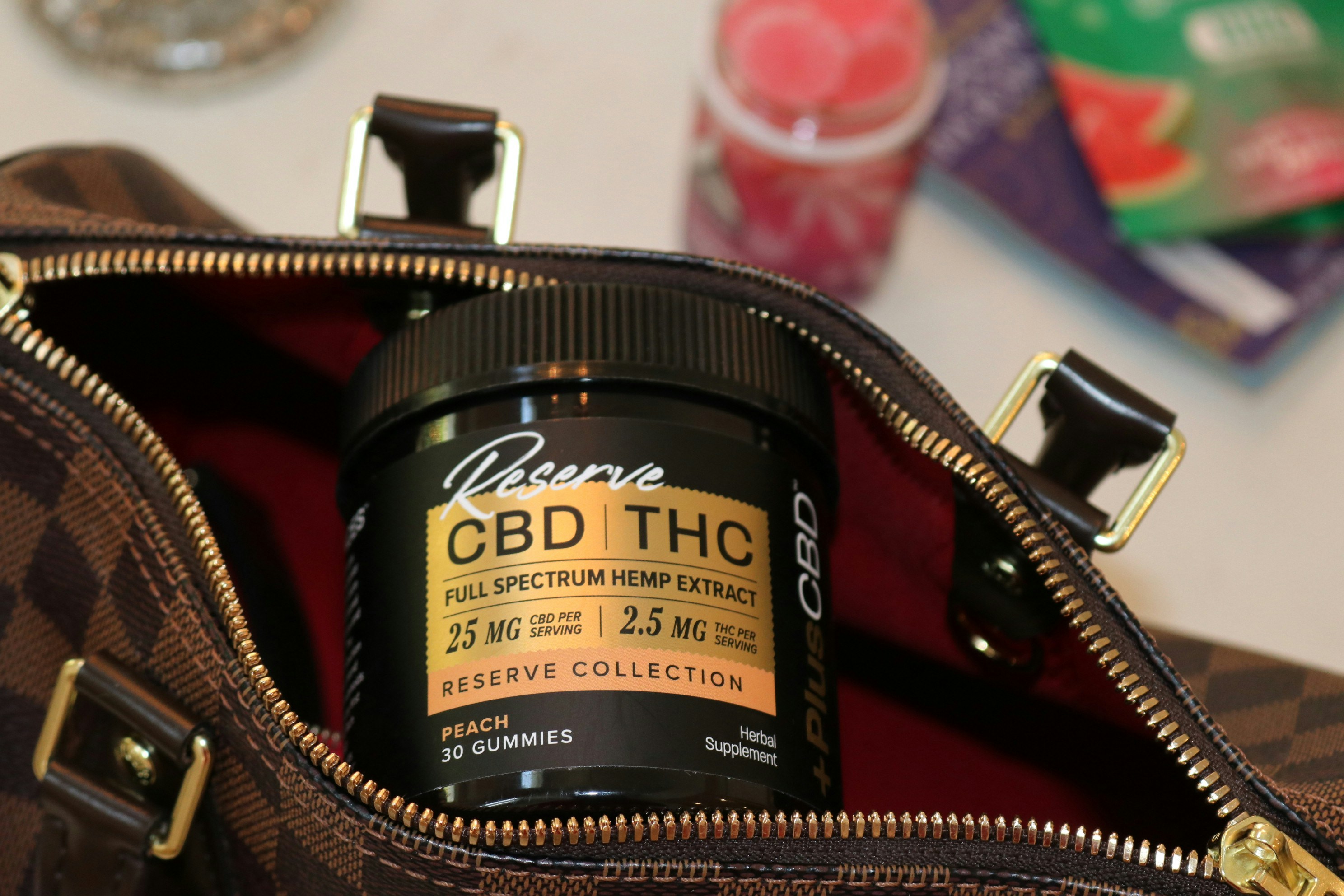
Potency Profiles, Terpene Signatures, and Which Product Types Suit Different Users
Across the map, recreational THCA products arrive with markedly different potency profiles – from easygoing flower labeled at roughly 12-25% THCA to lab-refined concentrates that can top 70-95% THCA. Those numbers tell only part of the story: how the molecule is processed, stored, and finally consumed changes the experience. Raw THCA is inert until heated; users who prefer a subtler, more botanical encounter often lean into lower-percentage products or uncured formats that highlight texture and aroma over pure strength.
Terpene signatures act like a scent-and-effect fingerprint, steering the subjective feel of a product as much as its potency dose. Common terpenes such as myrcene (earthy, calming), limonene (radiant, uplifting), caryophyllene (spicy, focused) and pinene (clear, piney) rearrange expectations even when THCA numbers are similar. Regional cultivars and extraction choices create signature mixes – West Coast batches may favor citrus-and-pine profiles, while some Midwest grown phenos trend toward peppery, herbal notes.
Matching product types to individual preferences is about intent as much as chemistry. Consider these rough fit-points:
- Casual explorers: Low-to-mid potency flower or microdosed pre-rolls for controllable, social sessions.
- Routine users: Vape cartridges and balanced concentrates that deliver predictable, repeatable potency.
- Connoisseurs: Live resins, rosin or high-terpene artisan extracts for layered flavor and nuance.
- Discreet or on-the-go: Tinctures and nano-formulated products that prioritize portability and measured intake.
| Product | Typical THCA | Onset | Best for |
|---|---|---|---|
| Flower | 12-30% | Minutes (when smoked/vaped) | Social sessions, tasting |
| Vape/Distillate | 60-90% | Seconds-minutes | Fast, potent relief |
| Rosin/Live Resin | 55-85% | Immediate-short | Flavor-forward users |
| Tinctures/Nano | Variable* | Minutes-30+ min | Discreet dosing |
*Tincture THCA varies by formulation and whether decarboxylation is used; always check lab data.
Closing Remarks
As the map of THCA recreational products continues to redraw itself, what stands out is less a single winner and more a mosaic of choices shaped by state laws, supply chains, and consumer tastes. From gel caps and tinctures to pre-rolls and concentrates, the same label can tell very different stories depending on where it was produced, how it was tested, and who it was made for.
For consumers that means the smartest route is a measured one: read labels and lab reports, know your local regulations, and prioritize vendors with clear sourcing and safety practices. For the industry and regulators, the takeaway is clear as well-consistency, clarity, and credible science will be the ballast that steadies a rapidly evolving market.
comparing THCA products across the USA is less about declaring a single best option and more about understanding the variables that matter to you-potency,format,testing,and legal context. Keep asking questions, stay informed, and watch this space: as policies shift and research advances, the landscape will keep changing, and so will the answers.