


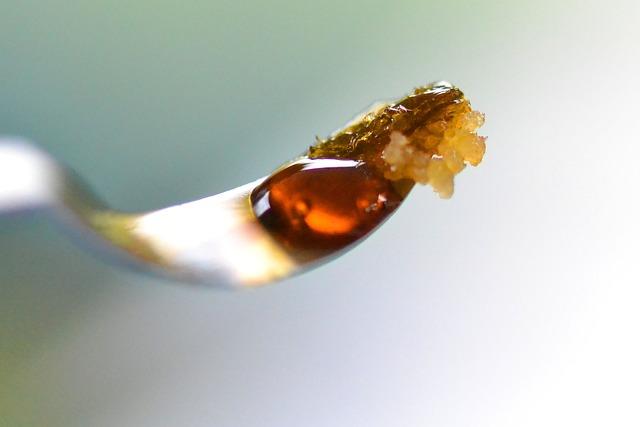
There is a quiet alchemy at work when botanical matter is transformed into glassy, amber rosin – a concentrated ledger of a plant’s smell, taste and temperament.For enthusiasts and curious newcomers alike, dabbing THCA rosin presents less a blunt ritual than an exploration: of cultivars and curing rooms, of terpene bouquets that channel citrus grove, diesel alley, or pine forest, and of the subtle differences that separate one craft batch from the next.
This article takes that exploratory stance. We’ll look beyond the headline of potency to the sensory landscape embedded in craft rosin: how strain genetics, harvest timing and solventless pressing converge to preserve volatile terpenes, and how those preserved compounds shape aroma and flavor.Along the way we’ll touch on the science that underpins what you taste – and the legal and safety context readers should keep in mind – without offering instructions or endorsement.
Whether you approach this subject as a sommelier of concentrates, a curious consumer, or a professional in the cannabis trade, the goal is the same: to map the flavor profiles, textures and aromatic signatures that make craft THCA rosin a distinct and evolving category. Consider this your guide to appreciating the nuance in small-batch extractions, and to understanding why so many connoisseurs treat rosin tasting as a subtle, sensory pursuit rather than a simple measure of strength.
understanding THCA Rosin Terroir: How Craft rosin influences Flavor Profiles
Think of rosin as a concentrated snapshot of place and practice – the same way a wine bottle holds a hillside, a winter and a pruning decision, a dab of THCA rosin can carry traces of the field where its plant grew. The living variables – from soil minerals and irrigation rhythm to day/night temperature swings – tune the plant’s biochemistry, shaping terpene bouquets and resin composition.When those trichomes are gently liberated, thay deliver more than cannabinoids: they deliver a geographic fingerprint, a subtle map of microclimate and cultivation etched into aroma and taste.
Craft rosin makers treat that fingerprint like a fragile photograph. Small-batch pressing,careful temperature control and minimal post-processing are all intentional choices to preserve volatile terpenes and delicate esters. Some key elements that shift flavor intensity and nuance include:
- Soil & Microbiome - mineral-rich earth often yields earthier, resinous notes.
- Cultivar Genetics – terpene profiles define the palette: citrus, diesel, pine, or berry.
- Harvest Timing – earlier harvests can produce greener, brighter terpenes; later harvests yield deeper, muskier tones.
- Pressing Temperature – lower temps keep volatiles intact; higher temps amplify sweetness and body.
| Factor | Typical Flavor Signature |
|---|---|
| Cool mountain climate | Floral, crisp citrus |
| Loamy, mineral soil | Earthy, pine resin |
| Low-temp press | Bright, terpene-forward |
| High-temp press | Caramelized, rounded |
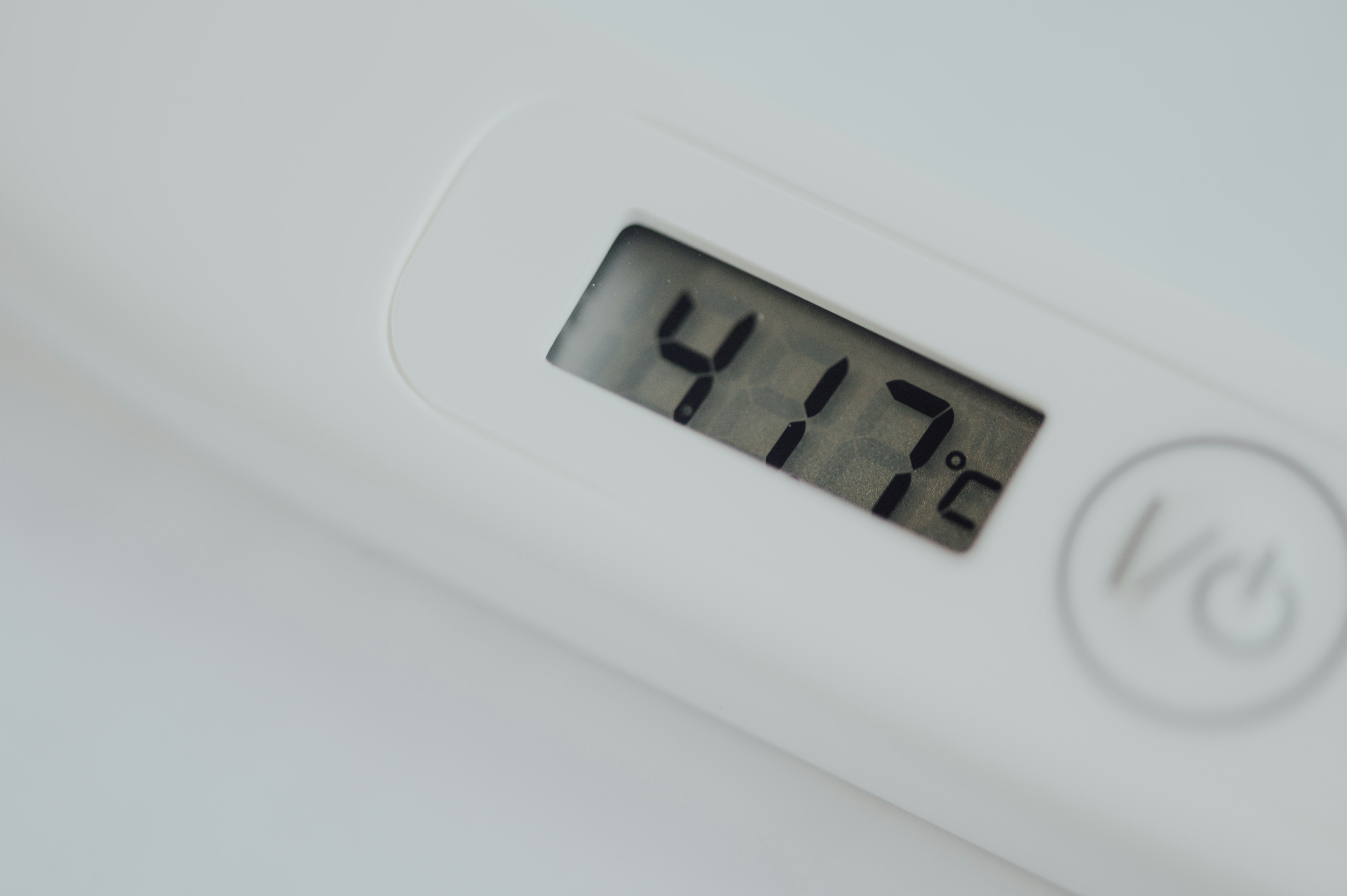
choosing the Right Dab Temperature for peak Terpene Expression and Smooth Hits
Think of your nail temperature as the conductor of a flavor symphony: to hot and the high notes scorch into harshness, too cool and the orchestra never rises above a whisper. Terpenes are delicate and vaporize at different points, so dialing temperature is where craftsmanship shows. In practice, low‑temperature dabs coax out volatile, citrusy and floral terpenes for a clean, aromatic hit, while higher settings extract denser, heavier compounds that push potency but blur nuance.
The sweet spot is rarely a single number-it’s a range that depends on your rosin’s profile and your tolerance. Below is a quick reference to guide experimentation:
| Temperature Range | Typical Effect on Flavor & smoothness |
|---|---|
| 315-360°F (157-182°C) | Bright, terpene-forward; silky inhale, pronounced aromatics |
| 360-430°F (182-221°C) | Balanced flavor and cloud; fuller extraction with retained nuance |
| 430-600°F (221-316°C) | Max potency and thicker hits; risk of burnt notes and harsher throat hit |
practical technique matters as much as the thermometer. Use a high-mass quartz banger and a snug carb cap to maintain steady heat, let the banger cool for a few seconds after torching, and inhale slowly to allow the terpene bouquet to bloom. Quick checklist for consistent,smooth dabs:
- Wait and watch: let the banger drop to your target range before touching the rosin.
- Low and slow: thinner dab sizes favor low temps and cleaner flavor.
- Cap control: a good carb cap evens out airflow and vaporization.
- Clean between runs: residual char skews taste and temperature readings.
Ultimately, treat each run like a tasting flight: start low, note the terpene signatures (citrus, pine, spice, floral), and nudge the temperature up until you reach the balance of flavor, smoothness, and effect you prefer. With craft rosin, the rewards of careful dialing are immediate-vivid aromatics, velvety inhalation, and a richer appreciation of each strain’s character.

Pairing Flavors and Strains: Building a flavor-Forward Dabbing Session
think of a flavor-forward dabbing session as a tasting flight: you want a progression that teases the palate, highlights terpenes, and lets each dab tell a small story. Begin with light, citrus-forward rosin to wake the senses, then move toward floral or herbal profiles, finishing with dense, resinous strains that reveal deeper, lingering notes. Low-temperature dabs will preserve volatile terpenes and give you the cleanest sense of aroma; reserve higher temps for heavier concentrates when you want thicker clouds and more pronounced mouthfeel.
Build your lineup around complementary terpene families rather than just strain names. Limonene-heavy extracts pair beautifully with minty or eucalyptus accompaniments, while myrcene-dominant rosins work well next to sweet, berry-forward samples because the earthiness anchors the sweetness. Keep palate cleansers handy – sparkling water,plain crackers,or a slice of raw apple – to reset your taste receptors between hits and prevent one robust profile from masking the next.
- Order: bright (citrus) → Floral/herbal → Spicy/peppery → Earthy/resinous.
- Temperature rule: 300-380°F for terpene clarity; 380-430°F for viscosity and throat impact.
- Session size: 2-3 small dabs per strain to explore nuances without palate fatigue.
| Strain Example | Flavor Notes | Suggested Temp |
|---|---|---|
| Lemon Haze | Citrus, bright | 320-360°F |
| Blueberry | Sweet, berry | 330-370°F |
| OG Kush | Pine, earthy | 350-400°F |
Wrapping Up
As the last plume of vapor fades, the world of THCA craft rosin reveals itself less as a single lane and more as a braided path - each strain, pressing and terpene profile offering a different detour for the senses. Exploring these concentrated flavors is as much about curiosity and palate as it is indeed about provenance and process; what you taste carries the fingerprint of plant, craft and care.
If you wander further down this path, do so with an informed eye: favor transparently produced, lab-tested rosin and follow the laws where you live. Approached thoughtfully, dabbing craft rosin can be a quietly revelatory way to appreciate cannabis as a botanical art form – a small, intense window into the complex chemistry and culture behind every drop.

