



TherS a quiet revolution taking shape at the edges of daily wellness routines-one that doesn’t rely on caffeine, kale, or a new fitness fad, but on a compound you’ve probably heard of in passing: THCA. Found in the raw leaves and flowers of the cannabis plant,tetrohydrocannabinolic acid (THCA) is the non-intoxicating precursor to THC,and it’s drawing attention from people curious about gentle,plant-based ways to support everyday health.
This article steps into that conversation with a clear-eyed curiosity.Instead of selling promises, it maps what we currently know: laboratory findings, early clinical signals, and the everyday experiences people report when THCA becomes part of their routine. we’ll look at how THCA differs from its better-known relatives, why it’s appealing as a daily supplement, and what the emerging science and regulatory landscape actually say about safety and efficacy.
If you’re wondering whether a small daily dose could fit into your wellness plan, this piece will help you weigh the possibilities without hype-exploring mechanisms, potential benefits, practical considerations, and the unanswered questions that should guide anyone thinking about trying THCA in their everyday life.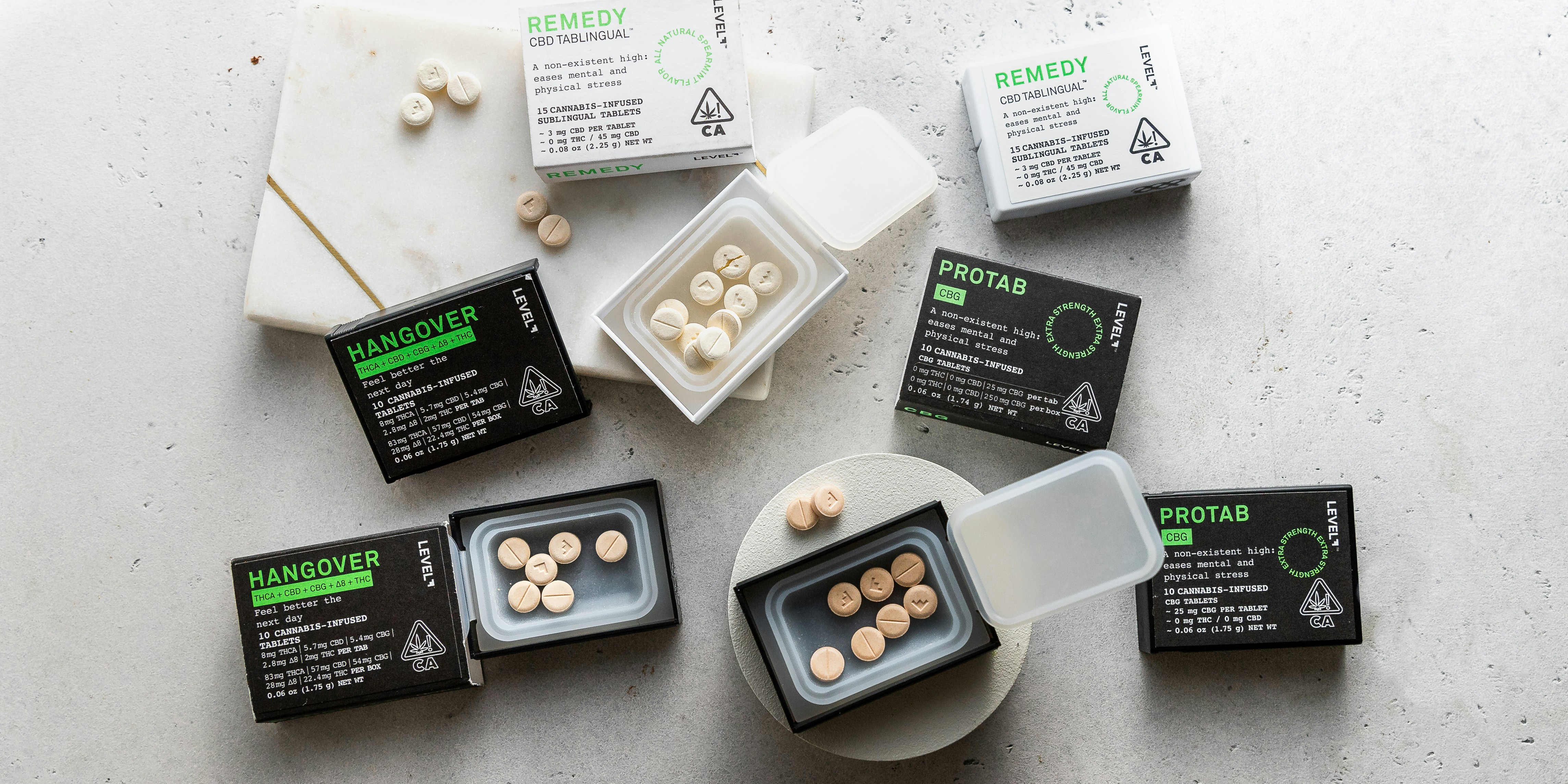
Understanding THCA and How It Differs from THC for Daily Wellness
THCA is the raw, non-psychoactive precursor that lives in fresh cannabis and hemp plants – think of it as a sleepy seed of possibility rather than the active spark. chemically it carries an extra carboxyl group, which keeps it from producing the familiar “high” associated with THC. In everyday wellness terms, that means people seeking plant-based support without intoxication often look to THCA as a gentle alternative or complement to their routine.
What transforms one into the other is a straightforward chemical switch called decarboxylation: heat, light, or time remove that carboxyl group and convert THCA into psychoactive THC. At the biological level, THCA interacts differently with the endocannabinoid system and other receptor pathways, so its effects, onset and user experiance tend to be distinct from those of THC. Because it rarely binds strongly to CB1 receptors, THCA is usually described as non-intoxicating in contrast to THC.
| Characteristic | THCA | THC |
|---|---|---|
| State in plant | Raw, acidic | Activated after heat |
| Psychoactivity | Non-intoxicating | intoxicating |
| Common use | Daily wellness, raw extracts | Recreational/therapeutic |
In practical terms, people incorporate THCA into daily rituals in small, creative ways: juicing fresh hemp leaves, using cold-processed tinctures that avoid heat, applying topical formulations, or choosing raw flower products made to preserve acidic cannabinoids.Consider these options as gentle experiments rather than guarantees – and always check product lab results and local regulations. For tailored guidance, consult a knowledgeable clinician or a certified cannabis professional.
- Cold tinctures – preserve the raw profile.
- Topicals – localized care without systemic intoxication.
- Fresh preparations – smoothies or salads with raw hemp/herb.
- Laboratory-tested products – ensure accurate THCA content.

Practical Dosing Guidelines for Daily THCA Use and When to Start Low
Think of consistency as the backbone of sensible daily use. Many people find benefit from a modest, steady amount rather than occasional high doses – the goal is predictable effects and gentle accumulation of comfort rather than dramatic shifts. Begin with the mantra start low, go slow: pick a conservative micro-dose, keep the delivery method consistent (tincture, capsule, or raw flower), and allow several days to a week before changing the amount so you can read the signal your body sends.
Practical steps make experimentation manageable and safe. Use precise measuring tools,log your experiences,and standardize timing – such as,the same moment each morning or evening. Here are simple, repeatable guidelines to follow:
- Measure carefully: use droppers or scales designed for small doses.
- Record reactions: mood, sleep, appetite, and any side effects in a brief daily note.
- Adjust slowly: increase only after 5-7 days by small increments (e.g., 1-2 mg).
- Avoid mixing: minimize alcohol or new medications when you’re changing dose.
| Week | Suggested Dose (mg THCA) | Frequency | Notes |
|---|---|---|---|
| 1 | 1-2 mg | Once daily | Baseline,observe subtle shifts |
| 2 | 2-3 mg | Once daily | Increase only if well tolerated |
| 3 | 3-5 mg | Once daily | Fine-tune timing for best effect |
| 4 | Maintain or adjust | Once daily | keep what works; lower if unwanted effects |
If uncertainties arise,pause and consult a healthcare professional. Reduce dose at the first sign of persistent drowsiness, dizziness, or cognitive fog. People on other prescriptions, pregnant or nursing individuals, and those with complex medical histories should seek personalized advice before starting. Thoughtful,measured experimentation is the clearest path to daily benefit without unnecessary risk.

Safe Use, Drug Interactions and when to Consult a Healthcare Professional
When introducing THCA into daily life, a simple rule applies: start low and go slow. Pay attention to product potency, route of management and timing – a small oral dose taken consistently will behave very differently from an inhaled dose taken sporadically. Keep products in their original packaging, out of reach of children and pets, and avoid operating heavy machinery or driving until you know how your body responds. If you experience persistent nausea, palpitations or severe sedation, stop use and seek advice promptly.
THCA can interact with other substances in ways that aren’t always obvious.It may influence hepatic enzymes involved in drug metabolism, and it can add to the effects of other central nervous system depressants.Alcohol, opioids and certain sleep medications are common examples where combined use can deepen sedation or respiratory compromise.Be especially cautious if you have liver impairment or are taking narrow therapeutic-index drugs.
- Blood thinners (e.g.,warfarin) – increased bleeding risk
- Sedatives & CNS depressants (benzodiazepines,opioids) – enhanced drowsiness
- Anticonvulsants & statins – possible altered blood levels via liver enzymes
- antidepressants/SSRIs – potential mood or serotonin-related effects
| Medication Type | Possible Interaction |
|---|---|
| Blood thinners | Raised bleeding tendency |
| Sedatives | Increased drowsiness,slowed breathing |
| Enzyme-sensitive drugs | Unpredictable blood levels |
Consult a healthcare professional before adding THCA to your routine if you are pregnant,breastfeeding,have a chronic illness (heart,liver,kidney),or take prescription medications. Tell your provider the exact product, dose and schedule so they can assess interaction risk and lab monitoring needs. Seek urgent care if you notice severe chest pain, difficulty breathing, fainting or signs of a serious allergic reaction – those are signals to stop use and get immediate medical attention.
Tracking Progress, Adjusting your Routine and Measuring Everyday Benefits
Start by establishing a simple baseline: record how you feel for three days before introducing THCA so you have a clear “before” picture. Keep entries short – a rapid mood word,sleep hours,and any pain or tension ratings – and store them in the same place each day. Over time those small, consistent notes become a map of subtle changes that might otherwise go unnoticed. Consistency beats complexity when you’re trying to see real trends.
Combine subjective self-reports with a few objective markers to make benefits measurable. Use an easy scale (0-10) for sleep quality,stress,and pain,and add tangible items like step count or minutes of focused work.Useful things to track include:
- Sleep duration & quality (hours, restful vs. restless)
- Daily stress rating (0-10)
- Pain or stiffness level (0-10)
- Energy/focus windows (times of day you felt most alert)
When the data shows patterns, tweak one variable at a time – time of day, dose, or delivery method – and observe for at least a week before changing again.Small, deliberate adjustments help you separate cause from coincidence. If you notice advancement in one area but a decline in another, prioritize what matters most to your daily function and adjust accordingly. Keep a short log of changes so you can revert to what worked.
| Metric | Baseline | 2 Weeks | 4 Weeks |
|---|---|---|---|
| Sleep (hrs) | 6.0 | 6.5 | 7.0 |
| Stress (0-10) | 7 | 5 | 4 |
| Pain (0-10) | 6 | 5 | 4 |
interpret improvements in everyday terms: more consistent sleep, reduced midday slumps, or easier mornings are all valid wins. If results plateau or adverse effects appear, consult a healthcare professional and consider pausing adjustments. Thoughtful tracking turns anecdote into actionable insight, helping you build a routine that serves your daily life.
In Summary
As we close this exploration of daily THCA and its possible place in everyday wellness, remember that curiosity and caution can travel together. The compound carries intriguing signals in early research and anecdote alike – like a quiet compass pointing toward potential benefits – but the map is still being drawn. What exists now is a mix of promising routes and blank spaces where solid clinical evidence, long-term safety data, and regulatory clarity are still needed.
If you’re considering THCA as part of your personal routine, let it be an informed choice. Look for reputable sources, pay attention to product quality and local regulations, and discuss options with a trusted healthcare professional who knows your medical history. Small steps, careful observation, and a willingness to adjust will serve you better than any one-size-fits-all approach.
Whether THCA becomes a daily ritual for some or a subject of continued curiosity for others, its story is unfolding. Stay attentive to new research, remain thoughtful about risk and benefit, and keep conversations with providers open. The journey toward everyday health is personal and evidence-driven – and for THCA, that journey has only just begun.

