


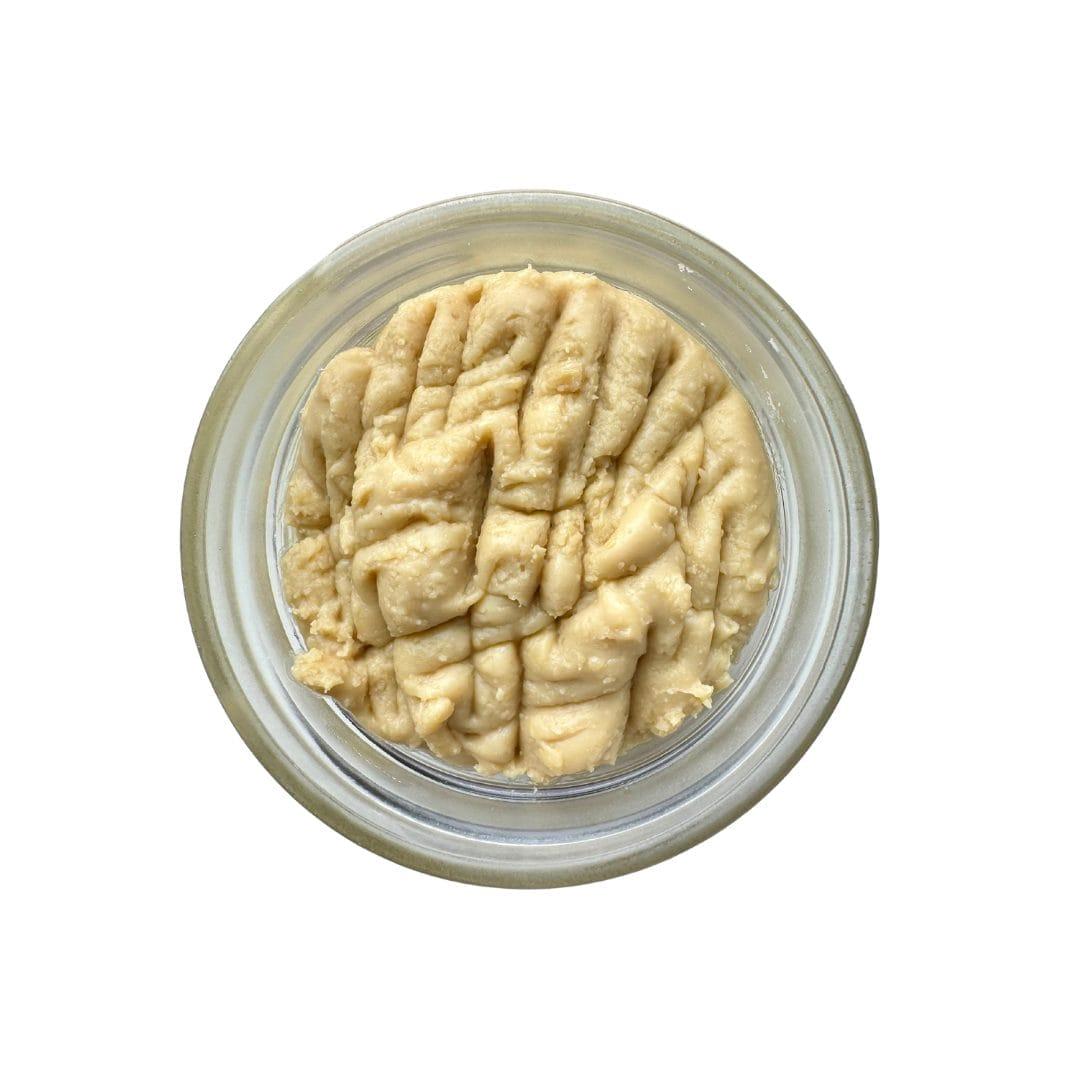
Imagine the THCa market as a mosaic-each tile a different product form, color and value shifting with light, geography and taste. Decoding THCa price per gram means doing more than comparing numbers on a tag; it’s about reading the texture of supply chains, the sheen of lab reports, and the subtle gradients that separate raw flower from concentrates, isolates from infused goods. This article peels back those layers to show how product type, production method, potency and regulatory context all influence what buyers and sellers actually pay.
You’ll find a clear look at market news and price trends organized by product category-flower, live resins and sauces, crystalline isolates, distillates and finished formulations-plus the key drivers behind recent movements. Rather than prescribe a single “right” price, this piece equips readers to interpret price signals: how quality and testing translate to cost, where geographic and seasonal dynamics matter most, and what to watch for in a fluid regulatory landscape.Whether you’re a buyer, seller or market watcher, this is your primer for making sense of THCa’s per-gram story.
How Supply Chain Dynamics and Cultivation Techniques Translate to Price Per Gram
Think of the final per-gram cost as the sum of two living systems: the farm and the market.On the cultivation side, variables like genetics, nutrient regimens, and harvest timing set a baseline through yield and potency. On the logistics side, packaging, testing, and transport amplify or erode margins as the product moves from grow room to storefront. Small changes – an extra week of cure, a batch failing potency thresholds, or a diverted shipment – translate quickly into noticeable swings in the cost per gram consumers see.
Every link in the chain adds friction and price pressure. The major stages to watch are:
- Propagation & Genetics – expensive elite strains raise input costs but can justify higher retail tags.
- Cultivation & Harvest - intensity (indoor vs. outdoor) determines energy and labor spend.
- Post-harvest – drying, curing, trimming and quality control are labor-heavy and precision-sensitive.
- Compliance & Testing - mandatory labs and paperwork create fixed per-batch costs that scale with batch frequency.
- Distribution & Retail - handling, transport, and retailer margins finish shaping the sticker price.
| Cultivation Type | Estimated Cost Range (USD/g) | Typical Yield & Trade-off |
|---|---|---|
| Indoor | $6-$18 | High control, moderate yield – premium quality |
| Greenhouse | $3-$10 | Balance of quality and efficiency – seasonal influence |
| Outdoor | $1-$5 | Lowest input cost, highest variability due to weather |
Scale and regulatory environments are the invisible hands that magnify thes mechanics. Larger operators can dilute fixed costs – like lab testing and packaging – across volumes, reducing unit cost. Conversely, sudden regulatory changes, taxation shifts, or supply interruptions force smaller margins into the visible price tags. Keep an eye on a few volatile levers: energy prices, labor availability, and testing throughput; any one can flip a market from discount to premium virtually overnight.
Buyer and Seller playbook Tactical Recommendations for Sourcing Pricing and Negotiation
Segment your approach by product type and lane – crystalline, isolate, distillate, live resin and flower trade on different signals. Buyers should map liquidity and lead times before thay commit: concentrates with thin liquidity need longer sampling windows and larger quality buffers; flower is price-sensitive and moves faster. Use batch-level certificates and on-chain traceability where possible to reduce asymmetric information. Benchmark deals to a rolling 30-90 day composite rather than a single spot quote to avoid being anchored to outliers.
Buyer tactics that actually move margin:
- Negotiate staggered purchase tranches with price collars or caps to share volatility risk.
- Insist on third-party COAs and acceptance windows; tie final payment to assay results for >20% buys.
- Use scorecards for suppliers – on-time, assay variance, packaging integrity – to convert reliability into pricing leverage.
- Build optionality into contracts (right of first refusal, short-term exclusivity) rather than long fixed-price deals when markets are thin.
Seller levers for extracting premium:
- Differentiate by offering graded SKUs (standard, premium, certified) with obvious assay bands – buyers pay up for consistency.
- Offer volume tiers with accelerated fulfillment windows and small rebates for multi-month commitments.
- Price for predictability: sell a mix of spot and forward lots, and present hedged packaging (insured, freight-included) as a premium service.
- Document cost drivers (COA trends, extraction yields, raw biomass inflation) in the negotiation packet to justify price floors.
| Product Type | Indicative Low (USD/g) | Indicative Typical (USD/g) | Indicative High (USD/g) |
|---|---|---|---|
| THCa Crystalline | $1.50 | $4.50 | $9.00 |
| thca Isolate | $1.20 | $3.80 | $7.50 |
| THCa Distillate | $0.90 | $2.80 | $5.00 |
| THCa Live Resin | $1.80 | $5.20 | $8.00 |
| THCa Flower (high-potency) | $0.60 | $2.50 | $4.50 |
Regulatory Alerts and Tax Strategies That Can Shift THCa Prices and How to Adapt
Policy shifts and tax moves can act like a sudden storm over price sheets – a single emergency memo, change in testing thresholds, or a surprise excise adjustment will ripple from grow rooms to storefronts. When compliance burdens rise, producers face higher lab costs and slower turnaround; when state-level taxes are restructured, retailers must decide whether to absorb the increase or reprice instantly. The result is not just a number on the shelf but shifting margins and altered product mixes across flower, concentrates, and infused goods.
- Emergency scheduling – temporary market contraction as uncertain inventory is held back.
- Testing standard changes – labs revalidate methods, slowing shipments and spiking costs.
- Excise or ad-valorem tax revisions – immediate wholesale-to-retail markup pressure.
- Tax credit or incentive sunset – sudden loss of margin for vertically integrated operators.
Practical responses split into quick and structural plays. Short-term tactics include SKU rotation, prioritized shipments for high-margin lines, and targeted promotional windows to protect unit sales. Longer-term adaptations lean on vertical integration, investment in compliant testing infrastructure, and diversified product portfolios that can flex between high-THCa concentrates and lower-tax delivery formats. Legal and tax teams that model scenarios ahead of public notices turn surprise shocks into manageable adjustments.
| Event | Typical Price Shock | Smart Move |
|---|---|---|
| Testing threshold tightened | Supply delay,+10-20% | Preemptive lab partnerships |
| excise tax hike | Retail jump,+5-15% | Bundle discounts,absorb on staples |
| Incentive sunset | Margin compression | Cost efficiencies,product reformulation |
Whether you’re a cultivator,retailer,or an engaged consumer,the best defense is visibility: invest in real-time pricing analytics,establish flexible tax-forecast scenarios,and keep dialog clear with customers so price adjustments are explained,not hidden. Those who treat policy volatility as part of product strategy-rather than an occasional nuisance-will navigate swings with steadier margins and more predictable inventory flows.
The Conclusion
As the market continues to shift, the true value of THCa per gram reveals itself only when price data is read alongside product type, potency, and provenance. Whether you’re tracking raw biomass, concentrates, or finished formulations, each category tells a different story about supply, demand, and the costs baked into bringing cannabinoid products to market.
Think of prices as coordinates on a map rather than final destinations: they guide decisions but don’t replace a close look at lab results, production methods, and local regulation.Keep watching market reports, compare like with like, and weigh quality and legality as heavily as the numbers themselves.
Ultimately, decoding THCa pricing is an ongoing exercise in context and curiosity. Stay informed, stay critical, and let emerging data shape smarter choices-whether you’re following the market professionally or simply trying to understand what each gram is really worth.
