


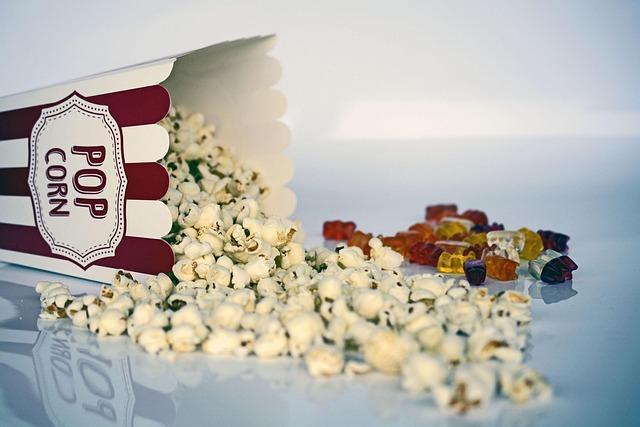
Think of a bargain bin that holds more than just savings – it holds choices. Discounted THCA gummies can look like a small triumph for shoppers: familiar candy forms, lower prices, and the promise of a different cannabinoid experience. But beneath the colorful wrappers lies a mix of science, regulation, and product quality that can make the difference between a smart buy and a regrettable impulse.
This guide peels back the foil to show what matters when price tags drop: what THCA is and how it differs from activated THC, how manufacturing and lab testing affect safety and potency, and which labels and credentials are worth trusting. You’ll also get practical buying tips – from reading certificates of analysis to spotting misleading marketing – so your choice is based on facts, not just flashy discounts.
Whether you’re a price-savvy shopper new to cannabinoids or someone comparing options,this article will help you navigate discounted THCA gummies with clarity and caution. Consider it a map for finding value without sacrificing the standards that keep products safe, obvious, and worth the buy.
Decoding THCA Chemistry and Why It Matters for Discounted Gummies
THCA is the non-intoxicating, acidic precursor to the familiar THC molecule – chemically it’s one carboxyl group away. Through a process called decarboxylation (heat, light, or simply time), THCA sheds a CO2 molecule and becomes psychoactive THC. That tiny molecular flip matters because it governs whether a gummy will deliver a clear-headed,non-intoxicating effect or full psychoactivity,and it determines how potency changes during storage and handling.
For discounted gummies this chemistry is the story behind the price. Discounts can signal older batches where partial decarboxylation or oxidation has occurred, inconsistent dosing between pieces, or inventory sold to clear stock before potency drops. As THCA can convert after manufacture, labels showing high THCA content but low THC require careful interpretation – the final user experience depends on how much conversion occurred in the jar, and whether the product was tested post-conversion.
Before you click “buy,” use this short checklist to shop smart:
- Certificate of Analysis (COA): confirms THCA/THC levels and contaminants.
- Manufacture & expiry dates: tells you how much time for decarboxylation to occur.
- Storage instructions: hemp gummies kept cool/dark retain THCA longer.
- Exact dosing per gummy: crucial when partial conversion could alter potency.
- Batch number & seller reputation: crucial for traceability on discounted lots.
| Feature | THCA | THC |
|---|---|---|
| Psychoactivity | Non-intoxicating | Intoxicating |
| Activation | Needs decarboxylation | Active as-is |
| Storage sensitivity | Higher (converts over time) | More stable |
Tip: a steep discount often reflects age or clearance; combine savings with a COA check to ensure you’re not trading price for unpredictability.

Choosing Dosage Formulation Serving Size and Flavor for Best Cost Efficiency
Think like a shopper and a scientist: match the potency to your routine before you pick a package. A higher-milligram gummy or capsule may seem pricier at checkout but can lower the cost per mg, while low-dose servings can be cheaper for occasional users. Consider how precise you need your dosing to be – flexible formats (tinctures) let you micro-adjust to avoid overconsumption and waste, whereas pre-dosed options (gummies, capsules) favor convenience and predictable budgeting.
- Calculate cost per mg – divide price by total active milligrams in the bottle.
- Factor serving size – larger servings reduce frequency and packaging waste.
- Pick the right format for your lifestyle: portability,shelf life,and dosing control matter.
- Choose flavors strategically – a flavor you enjoy reduces spoilage; overly sweet or niche flavors might go untouched.
Different formulations shift where you get value. Gummies trade long shelf stability and taste for slightly higher per-serving costs due to manufacturing and flavoring; capsules offer concentration and discreet dosing; tinctures provide the most flexible dosing and often the best per-mg price if you’re comfortable measuring drops. For regular daily use, concentrated capsules or higher-potency gummies usually give the best long-term value.For occasional or experimental use, smaller tincture bottles or sample gummy packs reduce upfront waste.
Here’s a rapid cost snapshot to help you compare at a glance:
| Formulation | typical mg/serving | Est. price/serving |
|---|---|---|
| Gummies | 10 mg | $0.60 |
| capsules | 25 mg | $0.45 |
| Tincture (measured) | 5-15 mg | $0.20-$0.50 |
Final practical tip: always run the numbers for your personal use pattern – a slightly higher upfront price can be the smarter buy if it reduces waste, improves adherence, or delivers more milligrams per dollar over time.
The Way forward
As you close this guide, think of discounted THCA gummies as a map dotted with both opportunities and checkpoints. the best bargains come to those who compare lab reports, know the source, and treat price cuts the same way they treat ingredient lists: with a healthy dose of curiosity.
Use the tools you’ve gathered here-third‑party testing, reputation checks, clear labeling, and an awareness of local regulations-as your compass. Steer clear of offers that sound too good to be true, and prioritize clarity over hype. That way, savings won’t come at the cost of certainty.
Whether you’re hunting for a trial pack or stocking up, a cautious, informed approach turns a sale into a smart purchase. Shop intentionally, verify thoroughly, and let careful choices lead you to the best value for your needs.

