


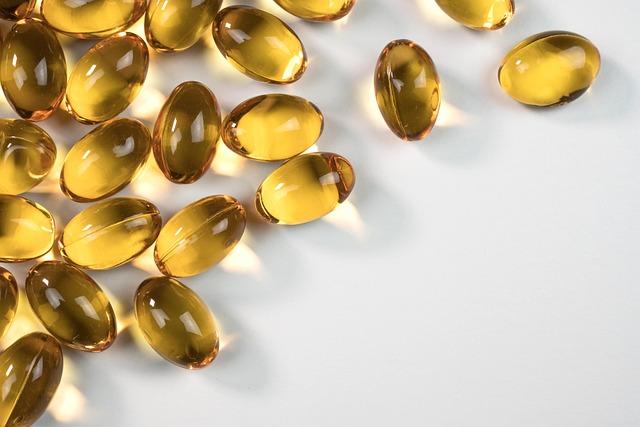
Like finding a cool, shaded path in a crowded forest, THCA is a quieter revelation in the crowded world of cannabis-derived products – familiar enough to intrigue, unfamiliar enough to invite a closer look. Once regarded as simply a chemical step on the road to THC, tetrahydrocannabinolic acid (THCA) is now stepping into the spotlight as a non-psychoactive ingredient in wellness supplements, promising an alternative route for people curious about the plant without seeking its intoxicating effects.
Chemically, THCA is the raw, acidic precursor to THC: in living cannabis, it’s abundant and harmlessly inert in terms of producing a “high.” Only when heat or time converts it into THC dose it acquire psychoactive properties. That biochemical distinction is central to understanding why THCA-based supplements appeal to consumers and formulators seeking the plant’s potential benefits while avoiding intoxication.
Interest in THCA has sparked a new category of products – from tinctures and capsules to topicals and raw extracts – marketed for general wellness and symptomatic relief. But the science is still unfolding, and regulations are uneven, so the landscape can feel both promising and uncertain. Careful sourcing,obvious testing,and realistic expectations are essential for anyone exploring this option.
this article will walk through what THCA is and how it differs from THC, summarize current research and safety considerations, outline the types of THCA supplements available, and offer practical guidance for evaluating products. By the end, you’ll have a clearer map for deciding whether THCA belongs on your wellness path.
Choosing High Quality THCA Supplements Lab Testing Formulations and Transparency
Lab results aren’t optional- they are the map to what you’re actually buying. Reputable brands publish a current Certificate of Analysis (COA) from an independent, third-party lab that shows THCA content, total cannabinoids, and screening for pesticides, heavy metals, and microbial contaminants. When you see a COA,check the date,the batch number,and whether the testing lab is accredited; these details separate marketing from measurable quality.
Formulation matters as much as purity. Some products present raw THCA in full-spectrum extracts that preserve terpenes and minor cannabinoids,while others use isolates for targeted dosing. Delivery systems-tincture, capsule, topical, or sublingual-alter onset and bioavailability, so choose a format that fits your routine. Look for clear dosing guidance and consistency between label potency and COA results to avoid surprises.
Transparency is a practical kind of trust: hemp origin, extraction method, and manufacturing standards should be easy to find.Brands that list farm locations, use solvent-free CO2 extraction or properly justified ethanol methods, and manufacture under cGMP conditions are demonstrating accountability. Quick checklist:
- COA link for each batch
- Hemp source (region/farm)
- Extraction method disclosed
- Clear ingredient list and dosing
| What to Check | Ideal Finding |
|---|---|
| THCA potency | Matches label ±5% |
| Contaminant screen | Pesticides/solvents: Not detected |
| Terpene profile | Listed on COA |
| Batch transparency | COA accessible by lot number |
practical Dosage Strategies Delivery Methods and how to Integrate THCA into Your Daily Wellness Routine
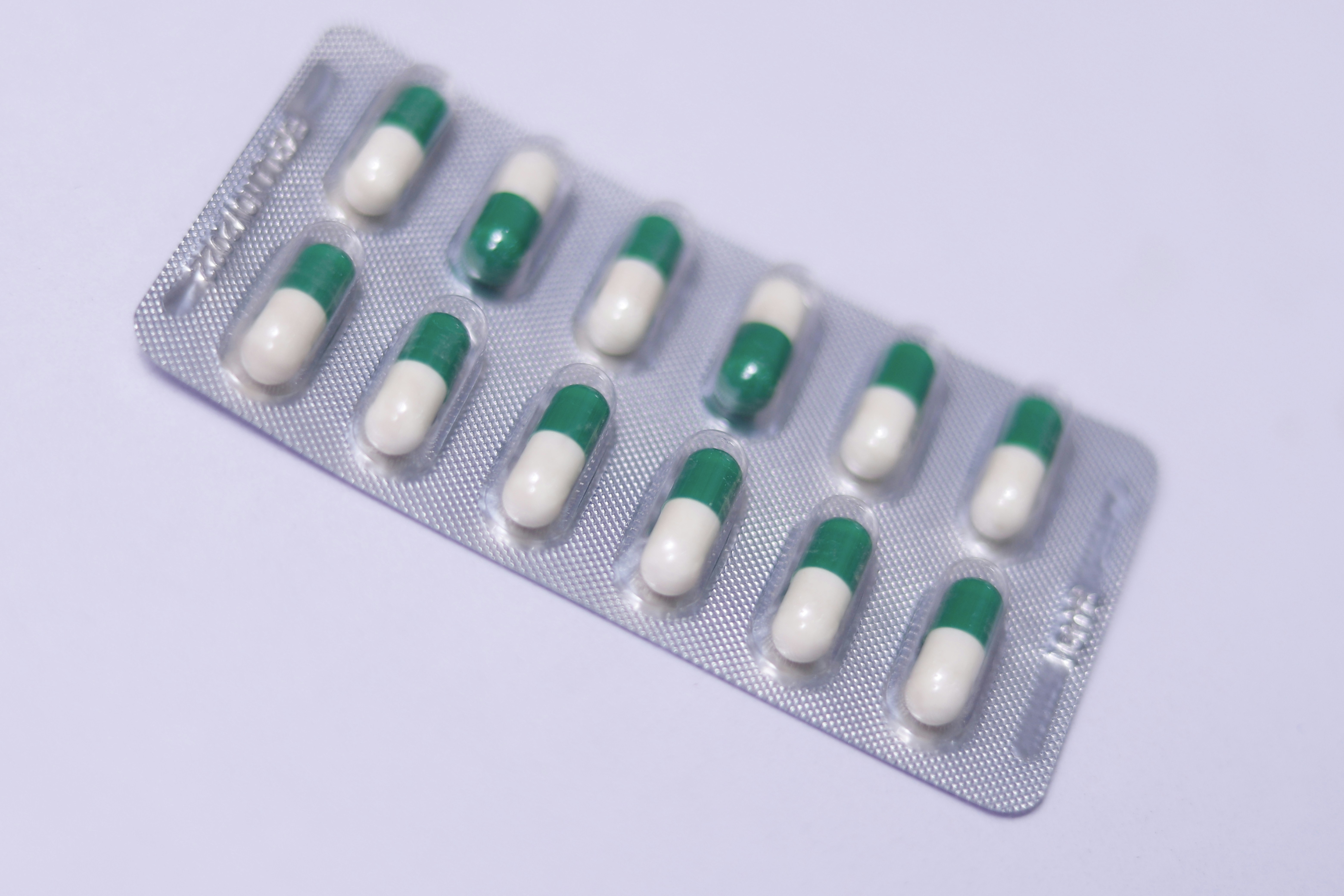
Start low and go slow remains the moast reliable approach when introducing THCA into your wellness routine. Many people begin with microdoses (for example, 1-5 mg of THCA) to observe subtle effects, then increase by small increments over several days. Keep a simple journal noting dose, time, delivery method and effects-this makes it easy to spot patterns and find your personal sweet spot. If you prefer a rule-of-thumb chart, the table below gives creative, general ranges to help you experiment responsibly.
| Delivery | Onset | Typical Starting Range |
|---|---|---|
| Cold tincture (sublingual) | 15-45 minutes | 1-10 mg |
| Capsules / edibles | 30-120 minutes | 5-20 mg |
| topical salves | 10-60 minutes (local) | Apply as needed |
| fresh juice / raw flower | 15-60 minutes | Small portions |
Choose methods that match your lifestyle and goals. For steady, discrete dosing, capsules and tinctures are convenient; tinctures offer faster onset via sublingual absorption, while capsules are easy for precise daily routines. If you want to preserve THCA specifically, avoid heating-vaporizing or smoking converts THCA into THC and will produce psychoactive effects. Topicals are excellent for targeted relief without systemic exposure, and raw juicing or cold-pressed preparations are the most “whole-plant” way to enjoy THCA’s natural profile.
Make integration simple: pick one delivery method for two weeks, keep doses consistent, and use an unnumbered checklist to stay on track.
- Start with one small dose per day for the frist week.
- Track mood, sleep and energy to evaluate impact.
- Adjust gradually-change one variable at a time (dose, time of day, or method).
- Consult a healthcare professional if you take medications or have underlying health concerns.
Cycling THCA-periods of use followed by short breaks-can definitely help you assess long-term benefits and avoid tolerance. With thoughtful dosing, consistent tracking, and simple delivery choices, THCA can become an unobtrusive part of a balanced daily wellness ritual.
In Conclusion
Like any good discovery, THCA invites curiosity tempered by care. As a non-psychoactive compound with growing attention for possible wellness applications, it opens a door to new routines and conversations about how plants can support wellbeing. But the path forward is still being mapped: research is evolving,regulations vary,and product quality matters.
If you’re considering THCA supplements, approach them as you would any emerging ingredient-read labels, choose reputable sources, and discuss options with a healthcare professional. Doing so lets you explore potential benefits without losing sight of safety and evidence.
discovering THCA is less about chasing a single promise and more about expanding your toolkit for thoughtful self-care. With curiosity,caution,and clear-headed appraisal,you can decide whether this non-psychoactive compound belongs in your wellness story.

